
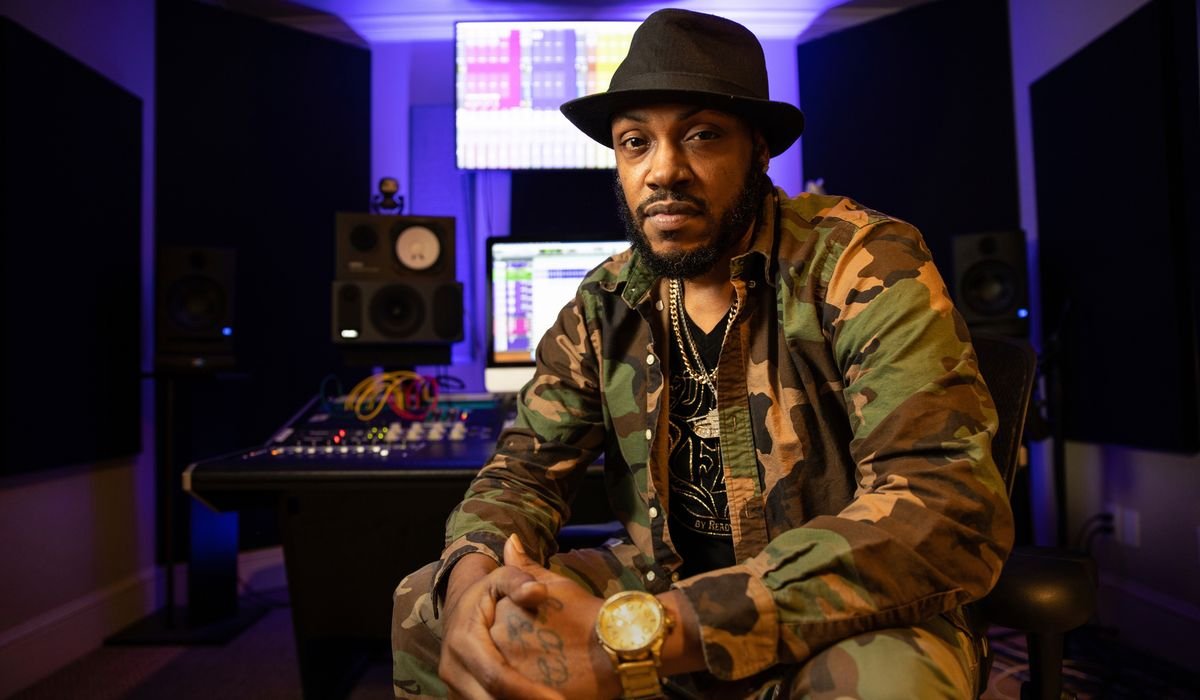
Louisiana rapper Mystikal was sentenced Tuesday to 20 years in prison for raping a woman at his Prairieville home in 2022, according to local station WBRZ.
Mystikal, whose given name is Michael Lawrence Tyler, pleaded guilty to third-degree rape in March as part of a plea deal that capped his sentence at 20 years — five years below the maximum for the crime — and shielded him from the automatic life sentence that Louisiana law prescribes for first-degree rape.
The victim told the court that Tyler had punched her, choked her, pulled braids from her hair and forcibly raped her at his home. She asked the judge to impose the maximum sentence. After she finished speaking, Tyler addressed the courtroom: “If I did that to you, I deserve the max sentence,” Variety reported.
Days before his sentencing hearing, Tyler’s attorney filed a motion to withdraw the guilty plea, stating he had not had “sufficient opportunity to fully consider the consequences” of his decision and that he had been “under significant emotional distress” when he entered the plea. The motion was denied.
Tyler was originally arrested in 2022 and booked into the Ascension Parish Jail on charges including first-degree rape, domestic abuse battery by strangulation, simple robbery, false imprisonment and criminal damage to property. Investigators said they identified him as a suspect after speaking with the victim at a hospital, where she was being treated for visible injuries. He has been held without bond since his arrest.
Upon release, a judge ordered Tyler to maintain his sex offender registration. He was previously convicted of sexual battery in 2003 and served six years in prison. In 2012, he spent three months in jail on a misdemeanor domestic abuse charge. He was also indicted on rape and kidnapping charges in 2017, but a Louisiana district attorney dropped those charges in 2020 after a second grand jury declined to indict.
The New Orleans-born artist rose to national recognition in the 1990s and received multiple Grammy nominations in the early 2000s for his work on tracks including “Shake Ya Ass” and “Bouncin’ Back (Bumpin’ Me Against the Wall).”
This article was constructed with the assistance of artificial intelligence and published by a member of The Washington Times’ AI News Desk team. The contents of this report are based solely on The Washington Times’ original reporting, wire services, and/or other sources cited within the report. For more information, please read our AI policy or contact Steve Fink, Director of Artificial Intelligence, at sfink@washingtontimes.com
The Washington Times AI Ethics Newsroom Committee can be reached at aispotlight@washingtontimes.com.
