
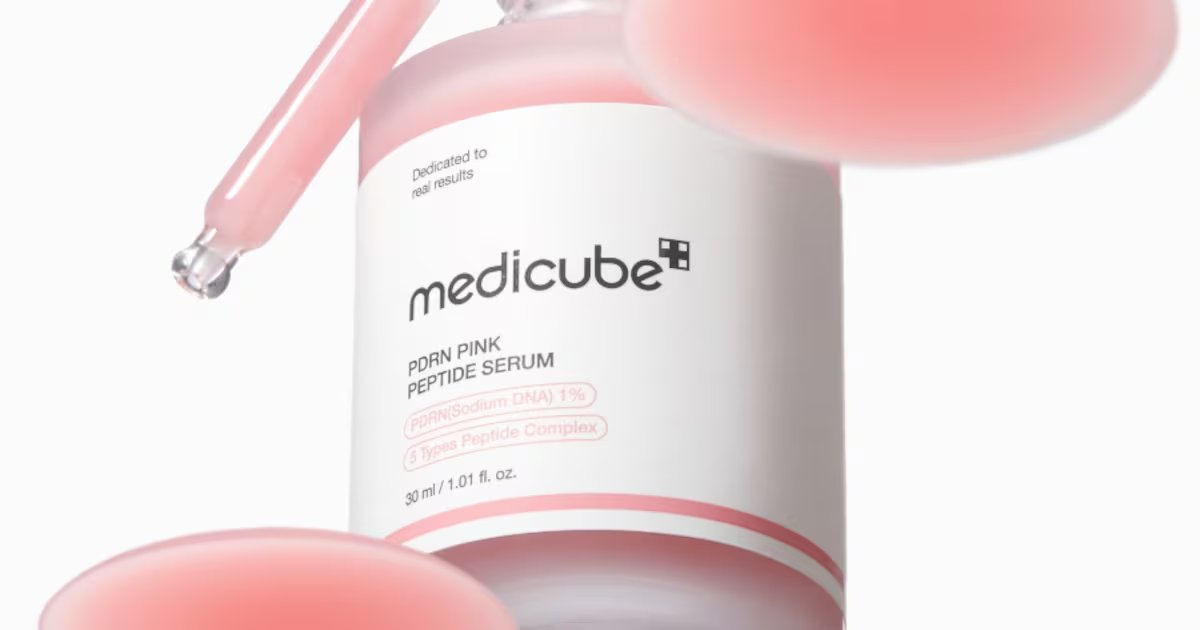
The US is now the biggest overseas buyer of South Korean skincare and cosmetics, overtaking China. From snail-mucin serums to moisturisers derived from salmon sperm, America’s Gen Z can’t get enough of viral TikTok must-haves.
While the K-beauty category is popular with digitally savvy skincare junkies, especially Asian Americans, it’s still not yet mainstream. US sales reached a record $2.4 billion in 2025, but that’s just a fraction of the $110 billion overall beauty market, according to consumer intelligence firm NielsenIQ. To truly appeal to the masses in the world’s largest personal-care market, the genre needs a different approach from the one that worked in Asia.
Purveyors must do two things: beef up their physical presence in stores and expand product ranges to embrace a more diverse group of consumers. That means especially catering to a wider range of skin tones than the standard two- or three-shade ranges traditionally offered in South Korea.
Improving the offline experience may seem counterintuitive, yet it’s vital when you’re trying to break into a new market. Shopping in person and trying out samples of unfamiliar products before committing are still powerful discovery tools that K-beauty companies should take advantage of. Even more so if you’re chasing customers new to ingredients like PDRN, a compound derived from salmon sperm DNA that is meant to help regenerate skin.
The in-person expansion is already happening to some extent. Last July, US specialty retailer Ulta Beauty Inc. launched a new platform dedicated to products from South Korea. Chief Executive Officer Kecia Steelman touted the chain’s “unmatched” offerings as a driver of skincare sales during the latest earnings call. Sephora, owned by French luxury giant LVMH Moet Hennessy Louis Vuitton SE, warehouse giant Costco Wholesale Corp., as well as big-box retailers Target Corp. and Walmart Inc. all sell some K-beauty products.
Still, none offer a comparable experience to shopping in South Korea, where choices, testers, and samples are plentiful. That’s why the entry of CJ Olive Young Corp., the country’s largest health-and-beauty emporium, with about 1,400 stores, would be welcome. The chain plans to make its first US foray by opening a flagship store in Pasadena, California, in May. The first generation of K-beauty pioneers like Amorepacific group trace their roots to the end of World War II. They eventually became popular across Asia and broke through to the West about a decade ago with products that emphasise hydration and value.
Catering to a New Market
Beyond showing up physically, K-beauty firms with international ambitions must also redesign their products to cater to more diverse consumers. Peddling a tiny shade range may have been acceptable when the bulk of sales were in South Korea or China, both ethnically homogenous countries, but it’s a short-sighted strategy otherwise. According to market intelligence firm Mintel, Black women in the US show stronger interest in K-beauty products than other ethnic groups, despite the fact that Korean brands rarely cater to their skin tones.
Those that do have been rewarded. Take Tirtir. It gained traction three years ago for its cushion foundation, a kind of base makeup dabbed on with a sponge. But the product was available in only three shades — porcelain, ivory, or sand — which caused an online uproar. Over the course of several months in 2024, the range grew from nine shades to eventually 40, winning plaudits among TikTokers for being inclusive. This is an important lesson because more than 80 percent of K-beauty’s US sales come from skincare, according to NielsenIQ. Cosmetics account for a much smaller share of revenue, suggesting there could be a gap in the market.
Tirtir is part of Goodai Global Inc., a privately owned cosmetics group whose founder turned to the US only after China imposed an unofficial “K-wave ban” 10 years ago following Seoul’s decision to deploy a US missile defence system. The success of its expanded offerings may well have influenced sister firm Beauty of Joseon’s decision to launch a 12-shade tinted sunscreen line in 2025. Both are overseas-oriented Korean brands that relied on breakthroughs abroad to spark growing interest at home.
From the virality of K-Pop Demon Hunters to the return of super boyband BTS, the past year has been a significant one for Korean cultural exports. In all genres, the fandom is increasingly global. K-beauty should help them live up to their full potential.
By Juliana Liu
K-Makeup Couldn’t Go Global. Now It’s Trying Again.
Ten years after they failed to catch on outside Asia, Korean cosmetic brands are bringing TikTok virality and expanded shade ranges back to the West in the hopes they can ride K-beauty’s second wave to success.
