
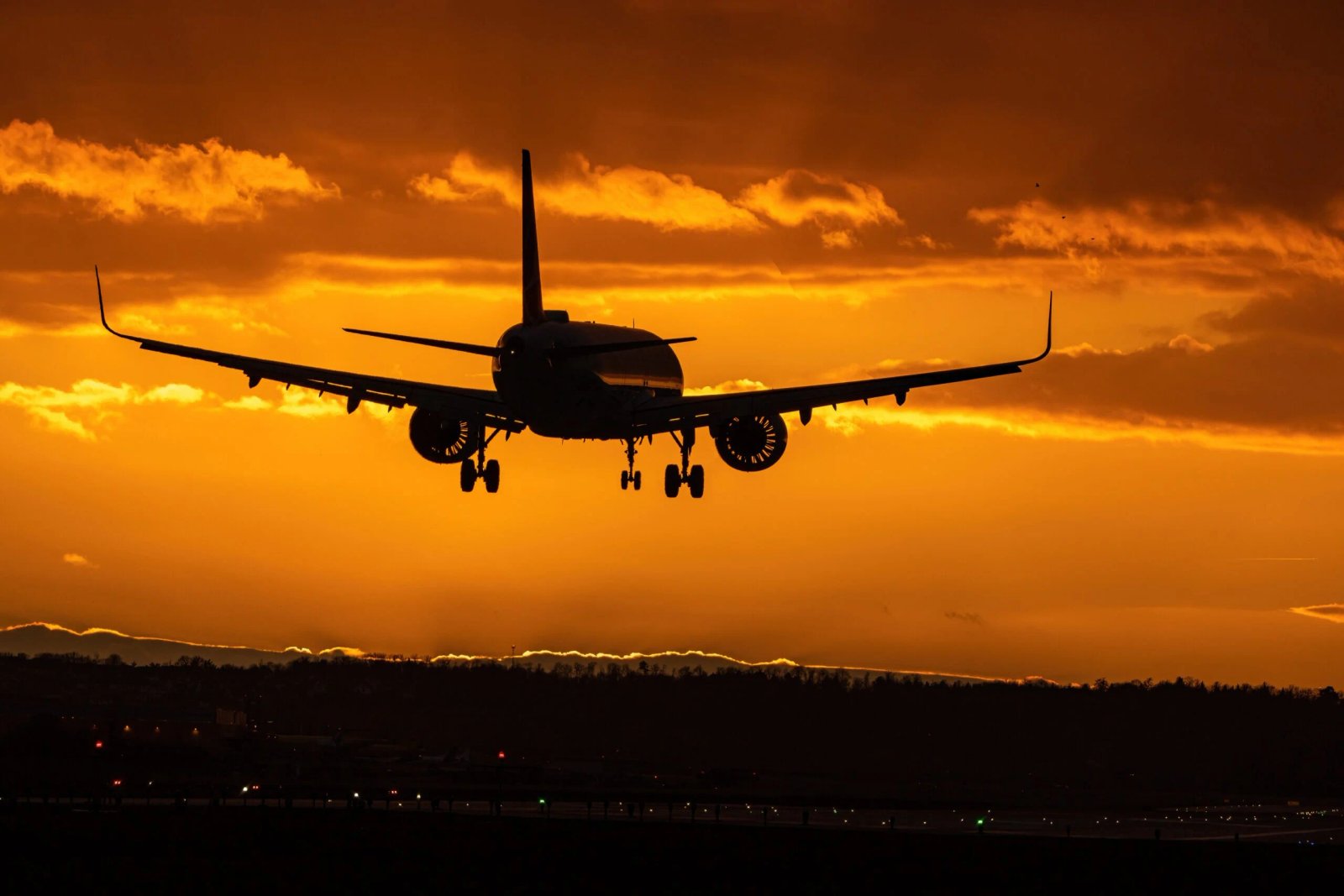
SPANISH oil companies are scrambling to secure jet fuel supplies for June as the summer holiday season comes under threat amid the Strait of Hormuz crisis.
Energy giants Repsol, Moeve and BP have warned that supplies are only firmly secured through May, with sources telling El Pais that shortages could emerge as early as this summer.
The knock-on effects of a jet fuel squeeze would ripple through the Spanish economy, experts warn, threatening a tourism boom expected to bring more than 100 million international visitors to Spain in 2026.
Secretary of State for Energy Sara Aagesen said Spain is in a comparatively strong position, noting that around 80% of its kerosene is produced domestically. She added that this reduces reliance on external supply chains and helps buffer the country against global shocks.
At the same time, she confirmed there are currently no fuel shortages, while declining to speculate on future developments.
EU Energy Commissioner Dan Jørgensen warned that even in an optimistic scenario, refined fuel markets such as jet fuel could take months to stabilise, even if tensions involving Iran were to ease immediately.
Spain’s peak travel season begins in late spring, when major airports including Madrid-Barajas, Barcelona-El Prat and Malaga see their highest traffic levels of the year.
Industry analysts say any disruption in jet fuel supply during this period would quickly affect airlines, increasing the risk of delays, cancellations, and higher fares on key routes.
The concerns come as the US and Iran prepare for another round of talks on the Strait of Hormuz, a vital global shipping lane which Tehran effectively closed down in retaliation for US-Israeli strikes.
Around 20% of the world’s oil passes through the Strait, and its closure caused global oil prices to skyrocket.
US President Donald Trump said he had extended the ceasefire with Iran while awaiting a ‘unified proposal’ from Tehran.
However, Iran’s Islamic Revolutionary Guard (IRGC) said on Wednesday it had seized to ships in the Strait, warning that ‘disrupting order and safety in the Strait of Hormuz is considered a red line.’
Click here to read more Business & Finance News from The Olive Press.
