
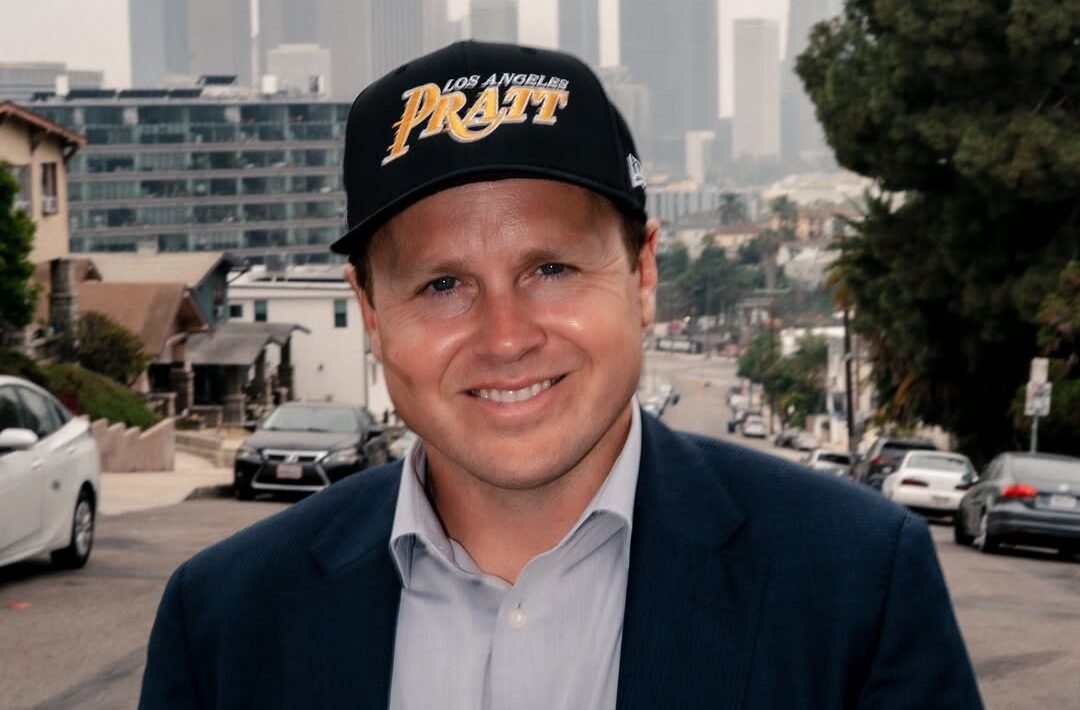
Spencer Pratt is running for Mayor of Los Angeles. This week, that candidacy attracted a particular kind of attention: it became late-night television material.
Jimmy Kimmel, host of ABC’s “Jimmy Kimmel Live!”, addressed the Pratt campaign on Instagram. His take did two things at once. He called the candidacy a “ridiculous choice for Mayor of Los Angeles.” He also conceded that Pratt “makes some pretty good ads.”
That’s a backhanded compliment, but it’s also a real one. Political advertising is one of the harder disciplines in a campaign. Producing ads that a late-night host deems effective is a concrete achievement. It’s more notable when it happens against expectations.
The comment raises a question worth examining. Can a campaign be simultaneously ridiculous and competently run? The answer is yes. Some candidacies dismissed as jokes eventually matter. Some serious campaigns can’t produce a watchable ad. These two outcomes don’t rule each other out.
Pratt’s path to public life runs through his television past. He appeared on “The Hills” alongside his wife, Heidi Montag, starting in the mid-2000s. The show ran from 2006 to 2010 on MTV. A revival, “The Hills: New Beginnings,” aired on MTV in 2019. He’s remained active in celebrity media since, largely through social platforms.
The Los Angeles mayoral race is historically competitive. The city operates under a nonpartisan primary system. It also carries significant governance challenges, from housing costs to public safety to infrastructure. Whether voters take the race seriously is one thing. Whether they’ll take Pratt seriously is a different question entirely.
Kimmel’s comment suggests the campaign is being run at some level of competence. Political ads require consultants, production crews, and messaging strategy. That costs money and expertise. Good ads don’t come together by accident.
A candidacy that becomes a late-night punchline gains exposure. That’s not nothing. Kimmel’s Instagram post drew more than 16,000 likes. Not every Los Angeles voter tracks the mayoral race closely. Some of them follow Jimmy Kimmel.
The details of Pratt’s policy platform weren’t available in the material released as of this writing. What is documented is the campaign’s existence, its advertising, and its arrival in national entertainment commentary.
That last point matters. Kimmel’s framing wasn’t exactly an endorsement. Calling something “ridiculous” doesn’t add up to a recommendation. Admitting the ads are “pretty good” doesn’t cancel that out either. But together, they signal something. The campaign is visible enough to mention on a platform with millions of followers. The ads are functional enough to earn a qualified compliment from someone with no incentive to offer one.
Whether this translates to votes is a separate conversation. For now, Spencer Pratt‘s mayoral run has cleared one low bar: people are talking about it.
