
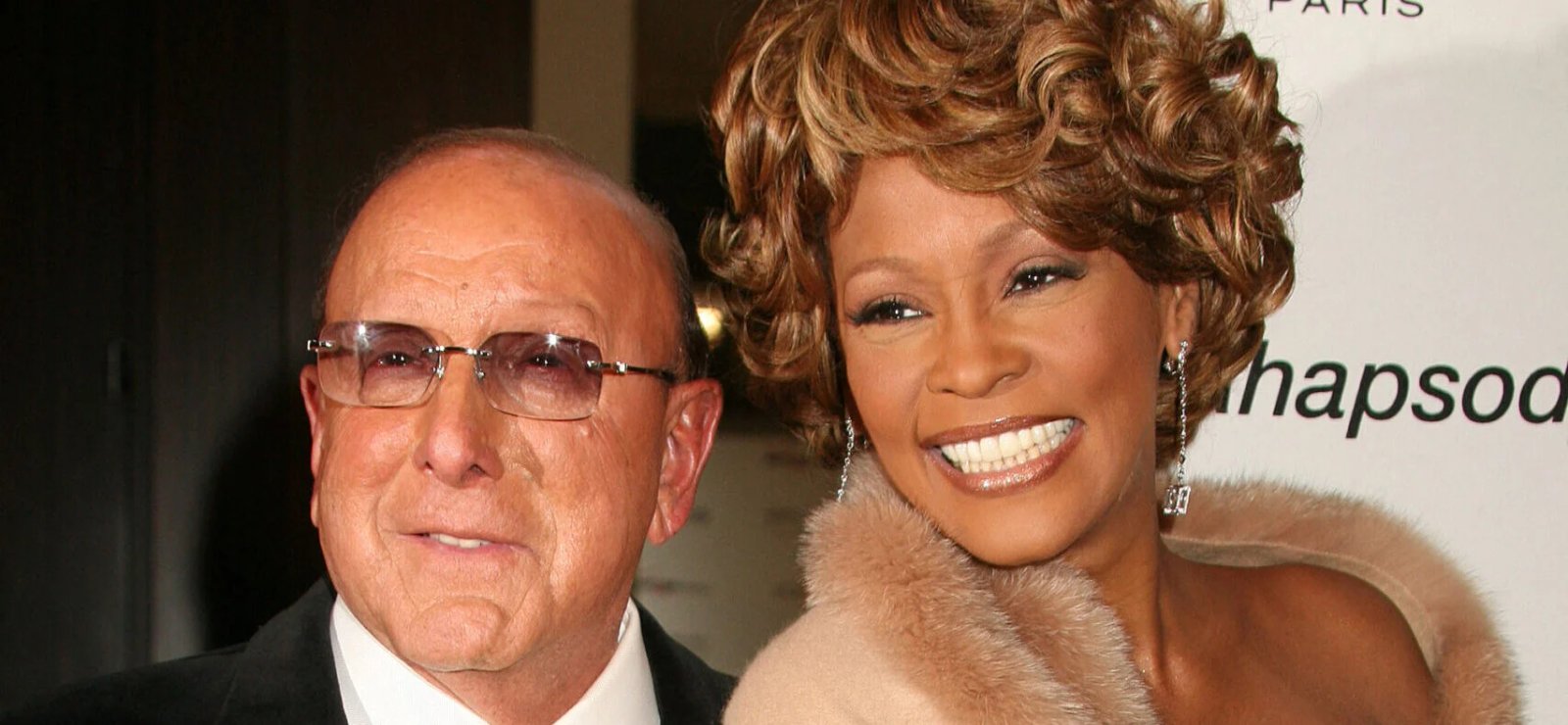
Clive Davis spent decades shaping the careers of some of music’s biggest stars, but one decision continued to follow him long after the death of his most famous protégé, Whitney Houston. Following Davis’ death at age 94, renewed attention has turned to the controversial choice he made on February 11, 2012, when Houston was found dead in her suite at the Beverly Hilton Hotel just hours before his annual pre-Grammy gala was set to begin in the very same building. While many expected the music mogul to cancel the star-studded event, Clive Davis chose to move forward with the party, a decision that remained a source of criticism for years.
Houston was discovered unresponsive in the bathtub of her hotel room on the fourth floor of the Beverly Hilton on the afternoon of February 11, 2012. Downstairs, preparations were underway for Davis’ legendary pre-Grammy celebration, one of the music industry’s most exclusive annual events.
Despite the shocking news, Davis announced that the event would continue as planned. “I am personally devastated by the loss of someone who has meant so much to me for so many years,” he told guests that evening. “Whitney was so full of life. She was so looking forward to tonight, even though she wasn’t scheduled to perform.”
He continued, “Whitney was a beautiful person and a talent beyond compare. She graced this stage with her regal presence and gave so many memorable performances here over the years. Simply put, Whitney would have wanted the music to go on, and her family asked that we carry on.”
The decision immediately divided public opinion, with some applauding the tribute while others felt the celebration should have been postponed out of respect.
Davis Reportedly Never Regretted The Choice
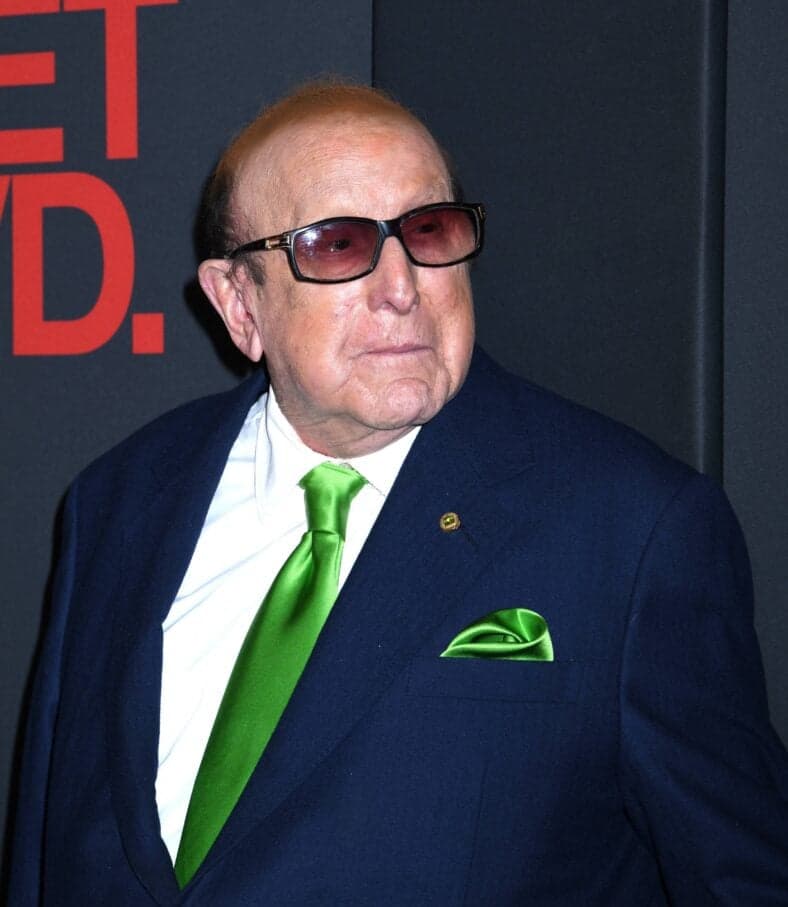
More than a decade later, sources claimed Davis never reconsidered his position. According to an insider who spoke to the Daily Mail following his death, the music executive remained convinced he had made the right call.
“[He] never listened to the people that said he should’ve canceled it, and it never became the big regret to him that it should have become,” the source said, adding that Davis remained steadfast in his belief that Houston would have wanted the event to proceed.
“You’d think over the years that Clive would have pondered his thoughts on having his party still go on when Whitney had died in the room upstairs, while people were partying below,” the insider said. “Alas, he never changed his tune.”
The source continued, “His party had so many sponsors, so much money coming through, that when it came down to it, he convinced himself that Whitney would have wanted the show to go on. It is and was very naive. Instead of honoring her, he took the money and rationalized it all.”
Whitney Houston Was Clive Davis’ Greatest Discovery

The criticism surrounding the party was amplified because of Davis’ unique relationship with Houston. The legendary record executive famously discovered the singer in the early 1980s after seeing her perform in a New York nightclub. He later described the moment as feeling “a tingle in the spine.”
Under Davis’ guidance, Houston became one of the biggest recording artists in the world, with hits including “How Will I Know,” “Saving All My Love For You,” and “I Will Always Love You.”
Houston often referred to Davis as the “father” of her career, while Davis frequently described her as one of the most extraordinary talents he had ever encountered. Their professional relationship spanned nearly three decades and helped transform Houston into one of the best-selling artists in music history.
Carly Simon Questioned Davis’ Priorities After Houston’s Death

For some, the controversy surrounding the Grammy party became one of the defining debates of Davis’ later years. Among his critics was singer Carly Simon, who questioned whether Davis’ competitive drive sometimes overshadowed other considerations.
“His energy, his testosterone, all his hormones were ignited by having the biggest No 1 records,” Simon said. “He is on the side of the winner at all costs, and the cost can be very high. The cost can be somebody’s career or somebody’s innateness.”
The Decision Clive Davis Never Took Back
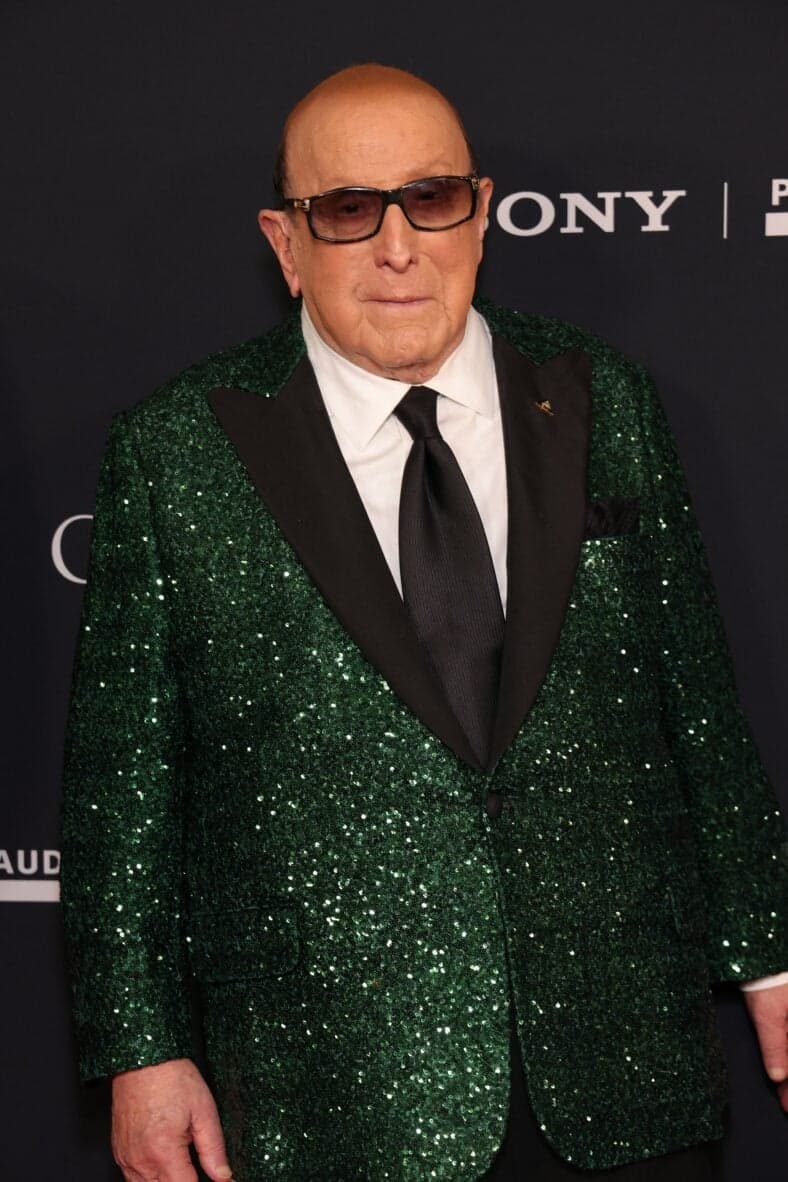
While Davis’ legacy remains tied to the countless artists he helped turn into stars, the decision to continue his Grammy party on the day Houston died remained one of the most controversial moments of his career, and, according to those closest to him, one he never apologized for or regretted.
