
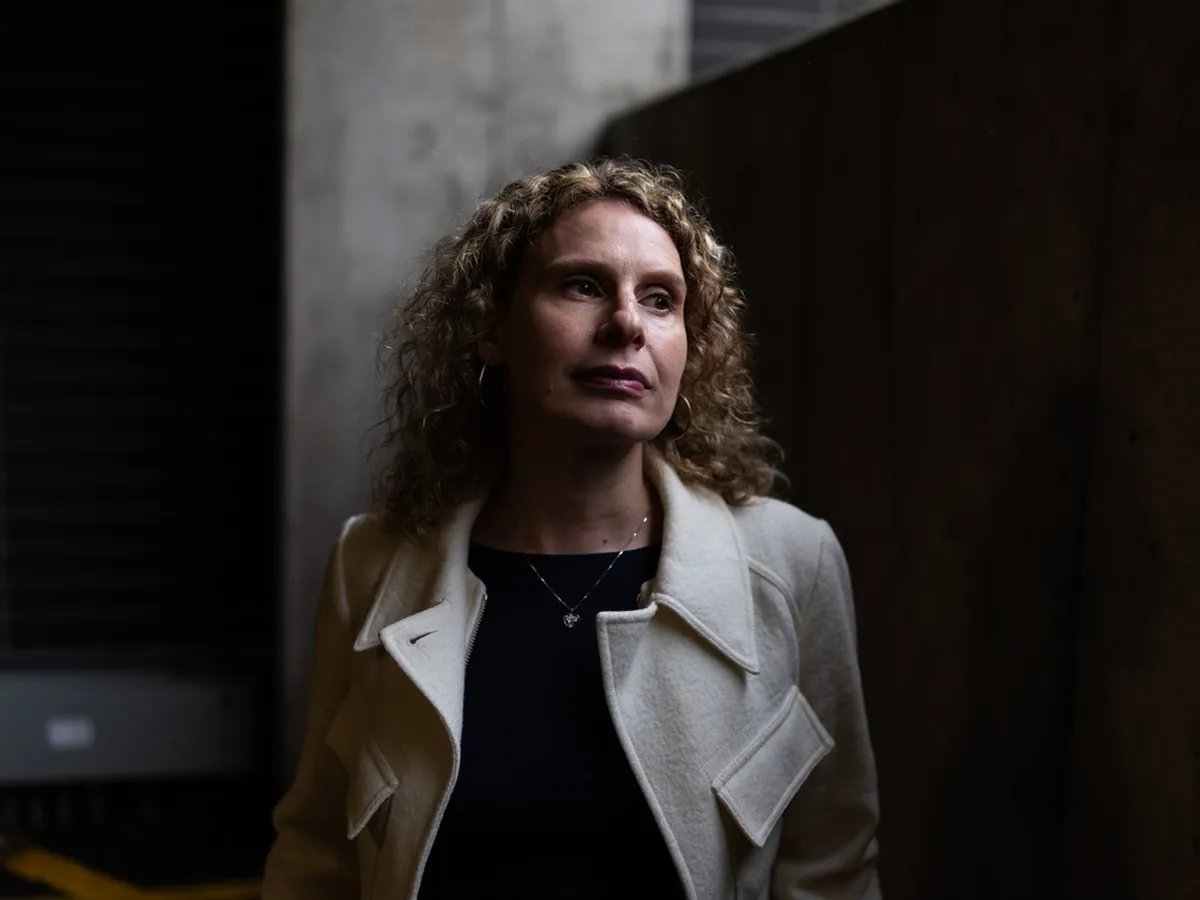
During a recent talk at the invitation of the University of Alberta, Dr. Karine Khatchadourian offered a candid appraisal of the evidence underpinning Canada’s approach to treating gender-distressed youth.
The field is in a highly consequential grey zone with contradictory findings at best, the Ottawa doctor told a virtual audience. The evidence doesn’t allow doctors to say with confidence whether puberty suppression has psychological benefits or not and today’s rapidly changing demographics — predominantly biological females with accompanying complex mental health problems and no known history of gender distress when they were younger — make it difficult-to-impossible to predict if someone’s gender dysphoria or incongruence will persist.
“We have to constantly be reassessing what we’re doing, what we’re treating, based on new evidence that’s coming forward,” Khatchadourian said.
Doctors are encouraged to look at emerging data objectively, be open to scrutiny and pivot where necessary, she said. However, gender-affirming care is different; a field so turbulent and charged with emotion that providers are reluctant to express doubts for fear of being alienated by colleagues and condemned by activists as transphobic.
Which is what makes Khatchadourian’s openness to share that her own messaging has changed so remarkable.
“The message to patients, providers, the public has to include that what we’re seeing now with the data is this uncertainty of the evidence,” she told the February gathering hosted by the U of Alberta-based Women and Children’s Health Research Institute. Her assessment echoes the findings of a recent series of deep systematic dives into the literature that concluded the evidence supporting gender medicine interventions is, as the editor-in-chief of the influential British Medical Journal summarized, “threadbare, whichever research question you wish to consider.”
Khatchadourian was one of the first doctors in Canada to provide hormone treatments to transgender-identifying and gender dysphoric youth, in 2014. By her estimate, some 250 to 300 gender-distressed children and teens have been under her care over the years.
After 12 years of experience, she said she now understands the population more. “I can say that, with everything I now know, as of now, I would challenge medicalizing the majority of youth that are presenting to clinics,” Khatchadourian, an assistant professor of pediatrics at the University of Ottawa, said in an interview.
“I strongly believe in this care,” she stressed.
“But it must be approached with rigour and caution, given the high stakes in this field.”
McMaster University researchers faced persecution from both extremes of the trans debate last year after publishing two systematic reviews that found the evidence is of such low, or very low, certainty that it’s impossible to conclude whether puberty blockers are helpful or harmful.
Lead author and celebrated scientist Dr. Gordon Guyatt and colleagues faced backlash from activists on one side over a funding source (the Society for Evidence-Based Gender Medicine, a group concerned with low-evidenced interventions that’s been accused of being an anti-trans think tank by transgender rights groups)
and, on the other side, critics who accused Guyatt of shirking his own evidence-based approach to science by later issuing
a letter
criticizing opponents for using his work to justify treatment bans.
“Everybody’s been kind of frightened,” Guyatt told National Post columnist
Michael Higgins
. “I was not as vividly aware as to what an extreme political environment it is.”
In their letter, Guyatt and four colleagues wrote that it’s misguided to cast medical interventions based on low-certainty evidence “as bad care or as care driven by ideology.”
However, under the GRADE scoring system co-developed by Guyatt, “very low certainty” means it’s hard to have confidence where the true effect lies.
Privately, other Canadian doctors like Khatchadourian are becoming more cautious.
Writing for
healthydebate.ca,
scientist, gastroenterologist and U of Toronto professor of medicine, Dr. Laura Targownik, who is a transgender woman, said several providers working in the field have shared that they’re becoming “more circumspect, recognizing that they can no longer function as enablers of transition in all cases.”
Public support for gender care for minors is in “free fall,” she wrote, “not only among conservative voters, but also among those who describe themselves as moderate or liberal.”
But the issue has become such a political minefield doctors fear that any expressed concern will be weaponized and used to shut down “and rob youth” of all care, even for those who would benefit, Targownik said in an interview.
Canadian physicians want what’s best for kids, she said. But they’re also concerned about leaving kids suffering from serious dysphoria with nothing.
Several European countries and American states are already pulling back.
Puberty blockers have been banned indefinitely in Britain for under 18s after the country’s health service declared them an “unacceptable safety risk.” Alberta invoked the Charter’s notwithstanding clause to uphold its bill p
rohibiting doctors from prescribing puberty blockers or cross-sex hormones to under 16s.
Meanwhile, numerous medical organizations, including the Canadian Paeditric Society, continue to endorse an affirming approach to gender dysphoria.
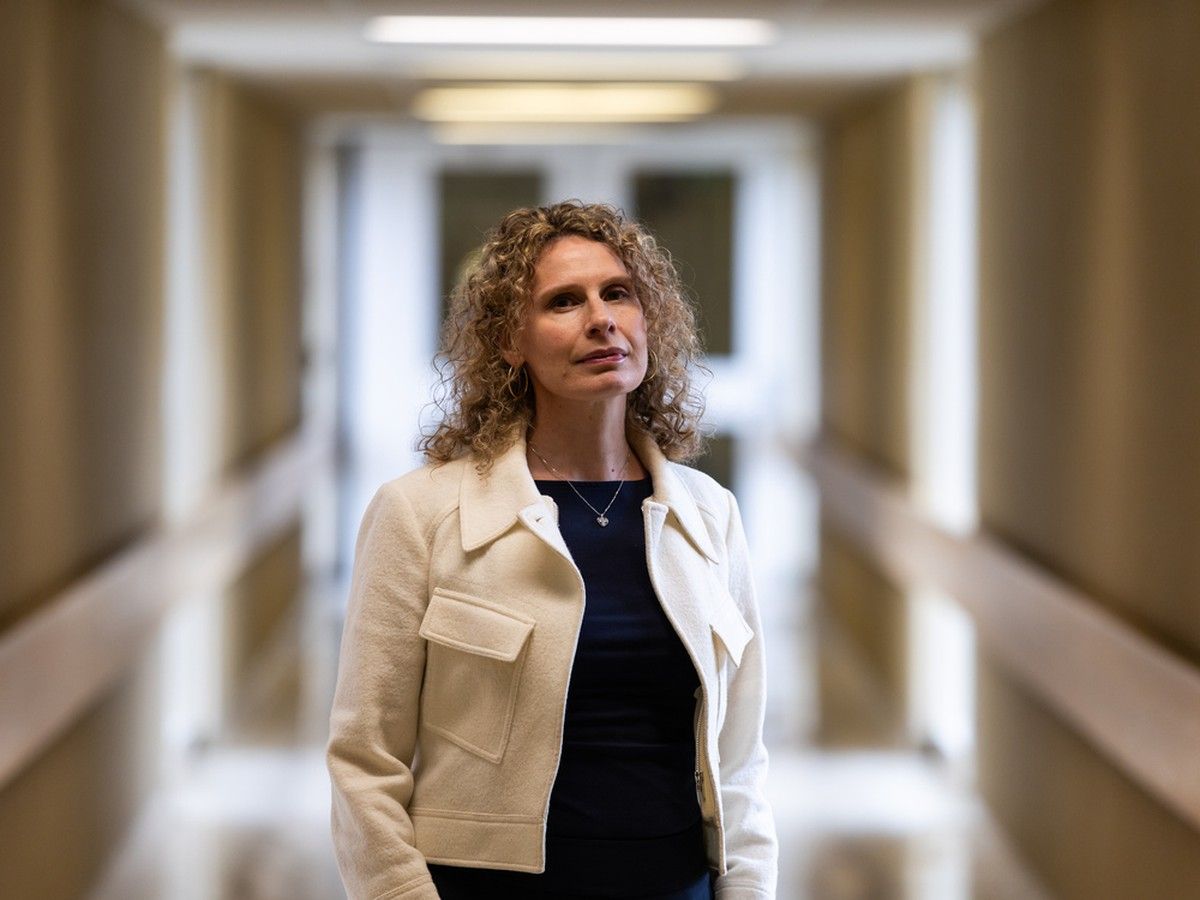
Khatchadourian was one of the first pediatric endocrinologists to train in the field of pediatric gender medicine in Canada. She was the first author of the first Canadian study (and second paper in North America) on the medical management of youth with gender dysphoria, published in 2014. Between 2022 and 2024, she was co-medical lead of the Children’s Hospital of Eastern Ontario’s (CHEO) gender diversity clinic.
While still relatively small, the number of children and adolescents identifying as transgender or gender-diverse has grown dramatically over the last decade. Pediatricians and family doctors across Canada are seeing them in their practices. Kids are being treated not only in specialized hospital-based clinics, but also by primary care providers in the community, some after virtual assessments.
In an interview, Khatchadourian said she worries that the increase in teens (mostly natal females) identifying as non-binary — neither identifying as female nor male — may be socially driven. “We know social media and peers have greater influence during adolescence,” she said.
“I didn’t see anyone identifying as non-binary ten years ago when I was training.” She questions the influx now.
“It’s so hard to know when you see a patient how much of this story is really that person’s story and how much is based on the influence of peers and social media,” she said.
“We get to a point where we accept certain definitions and certain things, but we should continuously ask why: ‘Why is this happening? What are your theories? Does this warrant medical treatment?’”
In the pre-social media era, kids who might have struggled with low level dysphoria or transient feelings might have found other ways to deal with it or allowed it to pass, Targownik said.
“But now they’re connecting with people who are telling them, ‘Hey, I did this and it’s working for me. This may be why you’re feeling disconnected from society. Maybe the reason you’re having trouble fitting in with other girls is not because you’re autistic, or because you’re marching to your own beat. It’s because you are actually a boy inside.’”
Youth can instantly connect with dozens of others who feel the way they do and start down a medical transitioning path. But Khatchadourian worries “we’re changing trajectories for these youth” based on unconvincing and limited data, and with too few mental health assessments by psychologists or psychiatrists trained in the child and adolescent medicine space.
“The expertise has not kept pace with the demand, and that worries me,” said Khatchadourian. She’s advocating for a national review in Canada — one involving those working in the field, trans-identified individuals, parents and families and, as well, de-transitioners — to ensure practices are aligned with the best available evidence.
Targownik also supports getting better data because, whether a populist or pragmatist, government leaders “are going to start asking for receipts,” she said.
“Someone is going to come and say, ‘I know you believe this care works. If you believe so strongly in this, show me that it actually works. Show me your outcomes. Show me that the kids you’re transitioning are doing well a year later, two years, five years later. Give me your best estimate of what the detransition rate in the modern cohort actually is, and the risk factors.”
There’s been a reluctance to ask those questions in the past when the practice was completely unhindered and support for gender care at its peak, she said.
Now, more countries are questioning that blanket, blind “just affirm” approach.
Khatchadourian favours aligning with Sweden and Finland’s approach, where puberty blockers and cross-sex hormones are reserved for children and teens with a history of gender dysphoria that started in early childhood and has persisted for many years.
For others, she recommends a more holistic approach, supporting youth as they’re going through identity development. She rejects accusations that she’s against gender affirming care. “Gender care means I’m addressing the distress. Of course that is a concern. ‘You have needs. I’m here to support your needs.’ But we haven’t asked the right question: What is the best way to address your needs?’
“We need to take a high level of risk approach, given the uncertainty of the evidence” and medication risks, she said. For her, the biggest stake is irreversible infertility.
“The most challenging conversations are always around fertility,” she said. “Most of the time you’re going to hear youth say they don’t want children, they don’t want biological children, or if they do at some point, they will consider adoption. You have to ask yourself, is that a mature response? Have they really given it considerable thought? Have they truly demonstrated capacity to consent?”
Early in her training, Khatchadourian spent a month in the Netherlands, the origins of pediatric gender medicine and birthplace of the so-called “Dutch Protocol” that saw doctors begin offering medical transitions for gender dysphoric teens in the early 1990s.
Back then, most of the gender distressed Dutch kids were biological males with a history of childhood-onset gender dysphoria that persisted into late adolescence.
Since then, the sex ratio has shifted dramatically, with 70 per cent of children presenting at clinics now natal females, many with co-occurring conditions such as autism, depression and anxiety that make it crucial to separate gender-related distress from other sources of distress or trauma that might mimic or add to the gender incongruence, Khatchadourian said.
“You really need good mental health providers to assess and diagnose from that lens.”
However, one study found that
only four of 10 gender clinics in Canada
required a psychiatric or psychological assessment before blockers or hormones were started.
Medical transitioning can begin once puberty starts, with drugs that block the physical changes of puberty. Older teens can receive cross sex hormones so that they develop the physical features more in line with their gender identity. Gender reassignment surgeries in Canada are restricted to those 18 and older, though mastectomies have been performed on girls as young as 14.
Concerns have been raised that doctors are misusing the principle of autonomy by prioritizing affirming a child’s self-declared identity and giving children the treatments they want to change their physical body to align with their expressed gender. It prioritizes the child’s goals. “But what if those goals shift,” she said.
There’s no clear picture of the natural course of gender dysphoria among the cohort of kids seeking gender-affirming care today, she said. “It’s well accepted that gender incongruence in childhood is usually a sign of later emerging same-sex attraction,” she said.
She also worries about the risk of regret in, for example, a 15- or 16-year-old biological female who has identified as non-binary for a few years who now wants a mastectomy. “These are major decisions that require careful consideration.”
There’s sometimes an urgency of expectations from parents and youth as well, she said. Many are unnerved by the dominant and stark narrative that these kids have a high risk of suicide, but the weight of the evidence suggests blockers and hormones do not decrease suicidality, she said. “This is important for families to know.
“You need to identify and treat the mental health disorders in adolescents experiencing gender dysphoria to prevent suicide.”
Khatchadourian no longer sees many young people herself, though she still has a few she follows in clinic and acts as a consultant on gender care for primary care providers for the province of Ontario. She no longer helps lead CHEO’s gender diversity clinic. “It was deemed that my expertise would be better suited to focus on other clinical and academic responsibilities,” she said, including her diabetes patients.
Considerable research has been published since she first began in the field of gender medicine. It’s a field that’s evolving rapidly. What one might have believed even a year ago might not hold anymore, she said.
“I need to trust the data,” she said. “Trust what we’re doing. And there was a lot of confusion for me with understanding the evidence.
“If I didn’t trust the evidence, how could I instill confidence in my patients?”
National Post
Our website is the place for the latest breaking news, exclusive scoops, longreads and provocative commentary. Please bookmark nationalpost.com and sign up for our daily newsletter, Posted, here.
