
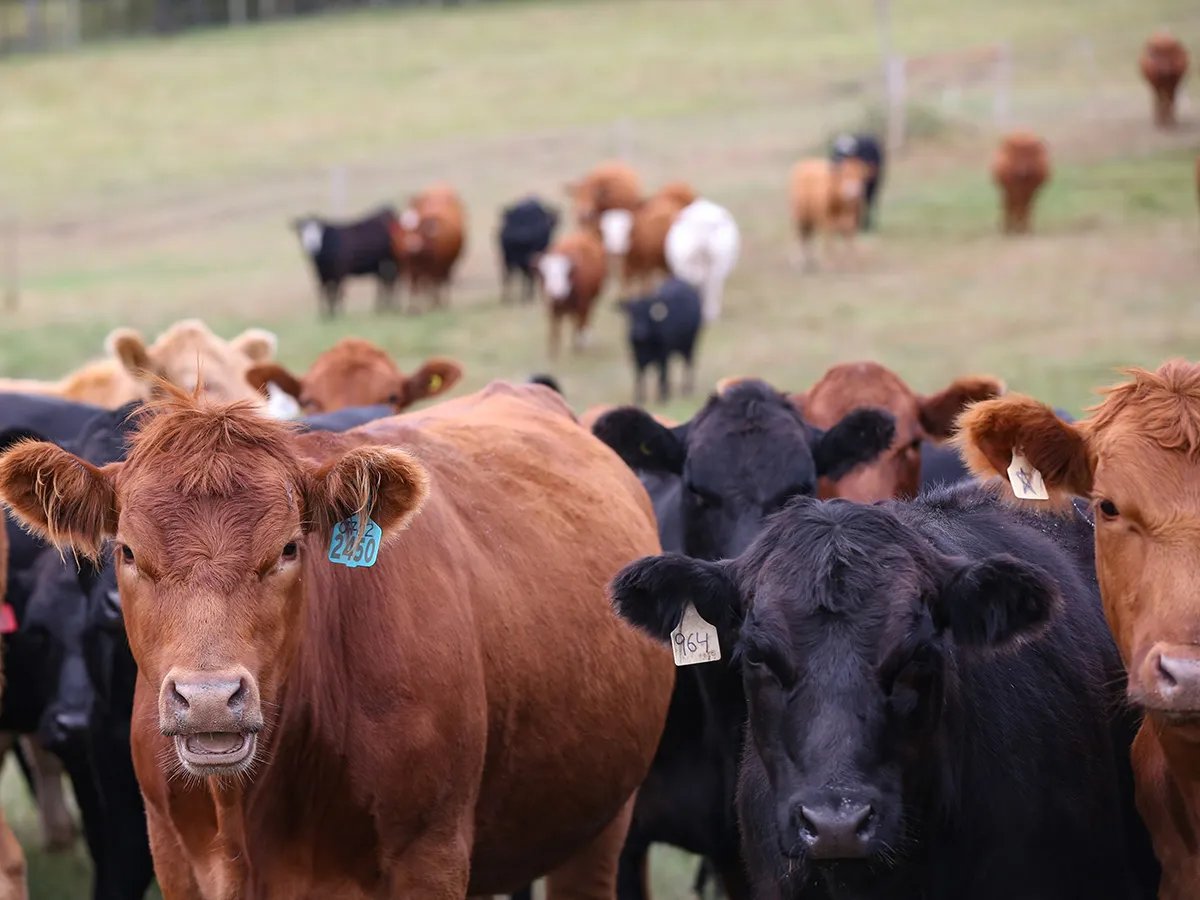
With summer around the corner, Canadian consumers are being asked to fork out a small fortune for every slab of beef they throw on the grill.
And while astonishingly high beef costs are nothing new for Canadian shoppers — with sticker prices for their favourite shanks, rounds, loins and chucks remaining all but unaffordable for well over a year — the trend shows no signs of easing.
Instead, beef prices have reached new highs in recent months as U.S. President Donald Trump’s war with Iran has fuelled a new bout of inflation. In March 2026, the cost of cattle for slaughter in Alberta reached $311 per hundredweight, the highest on record and up from $194 two years earlier.
That’s translated into eye-popping prices for everything from ground beef to sirloin steaks, leaving consumers to wonder what has caused the spike. The bewilderment is perhaps greatest in Alberta which, accounting for nearly half of the country’s 11 million head of cattle, has long served as the country’s chief supplier of red meat.
Andrea Brocklebank, chief executive of the Canadian Cattle Association, said high prices are largely due to a decline in herd sizes over the last decade, which has stifled supply.
“Globally, beef supplies are a lot tighter over the last few years,” she said. “A lot of key beef-producing countries haven’t seen expansions, and there are various reasons behind that.”
The primary reason is prolonged droughts, mainly across the high plains of the U.S. and Canada, that have diminished the availability of grasses needed for feedstock. That has forced ranchers to reduce livestock numbers as a way to avoid over-grazing. At the same time, beef demand has continued to soar in Canada as the country has welcomed record-high numbers of permanent residents, temporary workers and foreign students into the country.
High beef prices aren’t specific to Canada, however, as a sharp increase in U.S. costs has left the Trump administration weighing remedies to help boost supply. (Earlier this week, Trump delayed his initial plan of cutting U.S. import tariffs on beef and appears to be seeking other options).
In Canada, cattle herd sizes have started to show signs of recovery, with the total number of cattle and calves rising 2.5 per cent in January compared to a year earlier. The boost, according to Statistics Canada, marked the first growth in Canadian herds since 2018.
Still, Brocklebank said it will take time before higher herd sizes begin to increase supply and lower prices. The bovine production cycle takes around two years, she said.
“It takes time,” she said. “The gestation of the animal takes time, production from calf to grown animal takes over a year in some cases. So, we don’t see the immediate effect that, for example, the chicken industry has in responding to demand cycles.”
Brocklebank said another issue inhibiting beef supply is the gradual conversion of land from livestock to staple crops like barely, wheat and soybeans.
For years, crop insurance schemes between government and industry have let farmers essentially lock in their annual yields, regardless of output. Meanwhile, insurance contracts on the livestock side are not as generous, she said, and therefore don’t insulate producers as fully against price fluctuations.
“One of the things we have seen is, depending on whether crop production is more profitable than beef production, that land gets converted. For a long time, land was being converted to crop production because it was more profitable, and it doesn’t always change back.”

Adding to the problem, higher agricultural input costs for everything from diesel to fertilizer as a result of the closure of the Strait of Hormuz will continue to drive up feed costs. While grasses serve as the main feed for cattle, particularly in the early growth stages, many producers opt for grain-based feeds later in the process as they prepare for slaughter.
Meanwhile, Brocklebank said her association is also fighting against efforts among Mercosur — or South American — beef producers, who have been pushing for greater access to Canada’s market. While importing tons of beef produced in countries like Brazil would drive down prices in the near term, Brocklebank said it would hurt Canada’s food security by throttling the incentive for domestic ranchers to continue expanding their herds.
“Brazilian beef can be produced way more cheaply due to lower standards related to health, related to labour in particular,” she said. “With these factors, they can flood the market.”
Canada imports about 30 per cent of its beef, much more than other Western allies like the U.S. (19 per cent) and the EU (seven per cent).
National Post
jsnyder@postmedia.com
Our website is the place for the latest breaking news, exclusive scoops, longreads and provocative commentary. Please bookmark nationalpost.com and sign up for our newsletters here.
