
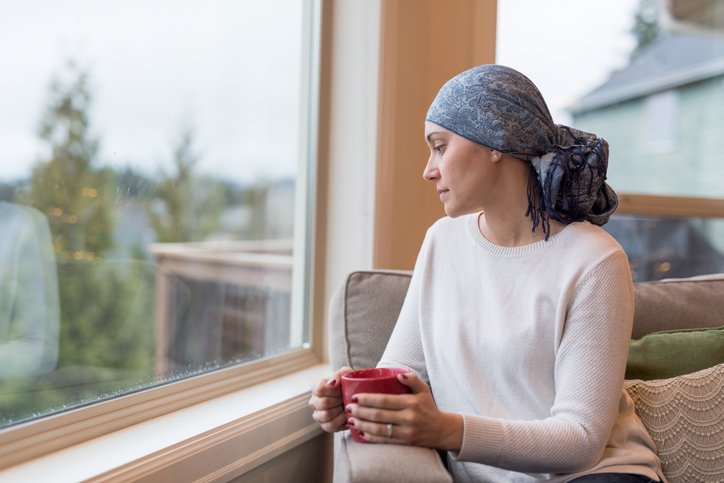
Even after spending 10 years in the oncology space, my stomach still drops when I hear that someone finally got answers, and the answers came too late. They didn’t ignore their health. They responded when something became impossible to dismiss, like pain that wouldn’t let up, or a strange rash, or a lab result that didn’t make sense. But by the time our healthcare system can name it, the window for early intervention has often already passed.
Then comes the piecing together of a reverse timeline. Replaying symptoms, revisiting appointments, searching for the moment they should have known, thinking about small things they could have done differently over the years. The real tragedy isn’t hindsight. It’s how long a serious disease, like cancer, is forced to whisper before anyone is able, or willing, to listen.
The truth is there are ways to understand our cancer risk more precisely than we do today, and there are tools to manage it. What’s missing is awareness, access, and a system built to help us use these tools before something goes wrong. Hindsight in oncology is 20/20, but it doesn’t have to be the norm.
Risk is not one-size-fits-all
What makes this especially frustrating is that risk isn’t random, and it isn’t equal. Cancer risk varies widely from person to person, yet we rarely identify those differences early.
About 40% of people will be diagnosed with cancer during their lifetime, and that risk can be much higher, especially if you carry a known genetic mutation like BRCA or have a strong family history. And yet, nearly 90% of people with genetic mutations don’t learn about them until after a cancer diagnosis, and fewer than 40% of individuals get an early colonoscopy when their family history warrants it.
This raises an important question: are standardized screenings and routine bloodwork enough to proactively understand individual cancer risk? And based on that knowledge, are we taking evidence-based actions that could reduce risk or enable earlier detection?
Routine screening is not sufficient
My answer is no.
Routine screenings miss 86% of cancers because they are validated for only a small number of cancer types and implemented at an age and frequency that do not meet the needs of higher risk individuals. Moreover, high-mortality cancers like pancreatic, ovarian, and even lung cancer are still primarily diagnosed based on symptoms, and individuals who carry an elevated risk for these cancers are rarely aware of that risk, counseled on symptoms, or given screening options.
Younger adults are being diagnosed with certain cancers like colorectal, which is now the leading cause of cancer-related deaths in men under 50 and the second leading cause in women.
And, even when screenings do exist, the guidelines themselves often fail the very populations most at risk.
Where national guidelines fall short
Standard recommendations advise women to begin mammograms every one to two years at age 40, yet we know Black women are more likely to develop aggressive breast cancers at younger ages. We see higher rates of lung cancer in non-smoking Asian women, so limiting lung cancer screening to smokers alone misses many at-risk patients. In fact, about 35% of people diagnosed with lung cancer would have qualified for USPSTF screening.
When we apply broad, age-based guidelines to heterogeneous populations, we risk both over screening some people and underscreening the very individuals who need earlier, more tailored surveillance.
At an individual level, this means an “age group” isn’t the whole story. Genetics, family history, lifestyle, environment, and background all matter, and they need to be discussed between providers and patients explicitly.
Addressing barriers to preventive care
While our healthcare system fails to connect the dots, there is still hope. There are more resources and technology designed to help individuals understand their personal risk of cancer better than ever before, and there are meaningful steps people can take to screen differently for areas of greatest risk.
Yet, barriers persist. Preventive care isn’t at the forefront of most people’s minds, partly because it’s not easily accessible. There are privately funded programs, but for many, they’re financially out of reach. Insurance coverage, affordability, anxiety around health, and even “FOFO” (the fear of finding out) all push people toward reacting to problems rather than preventing them.
While this fear is understandable, it can overshadow something equally true: advances in preventive cancer care and risk assessment are powerful and growing, but how we access these tools and coordinate care is still a work in progress.
A shift toward personalized prevention
Healthcare innovators are shifting how we define and assess cancer risk, but education on evidence-based screening and risk-reduction practices needs to be front and center alongside these efforts so fewer people will ever have to say, “I wish I knew earlier.” Just like treatment options, prevention is not “one size fits all,” but a highly personalized approach. Individuals today can understand their risk of cancer far more clearly than any prior generation and, with the right information, resources, and support, can take powerful steps to reduce it. It won’t happen automatically. Our system is built to react to disease rather than anticipate it, which means personalized prevention rarely starts unless providers and patients help initiate it.
Instead of waiting for a cancer diagnosis, it’s time to ask the question: “What is this patient’s personal risk of cancer, and what can we do, starting now, to lower it and increase their chances of catching it early?”
Photo: FatCamera, Getty Images
Michelle Zimmerman is Co-Founder and CEO of Previvor Edge, a company focused on helping individuals understand and reduce their personal cancer risk through access to clinical expertise and proactive care pathways. She has spent the past 15 years as a tech-enabled healthcare operator, building and scaling solutions that improve access, outcomes, and patient experience.
Previously, Michelle built the oncology business at genomics leader Sema4 (now GeneDx), where she helped expand access to advanced genomic insights and personalized care. That experience shaped her focus on the critical gap between risk identification and action. Today, Michelle is focused on making prevention a standard, integrated part of healthcare. Through Previvor Edge, she is mobilizing the tools, experts, and education people need to take proactive steps — shifting cancer care from reactive treatment to informed, personalized prevention.
This post appears through the MedCity Influencers program. Anyone can publish their perspective on business and innovation in healthcare on MedCity News through MedCity Influencers. Click here to find out how.
