
– More than 17 bodies, representing thousands of professionals and SMEs across the film and audiovisual sector, have sent a joint letter to the European institutions
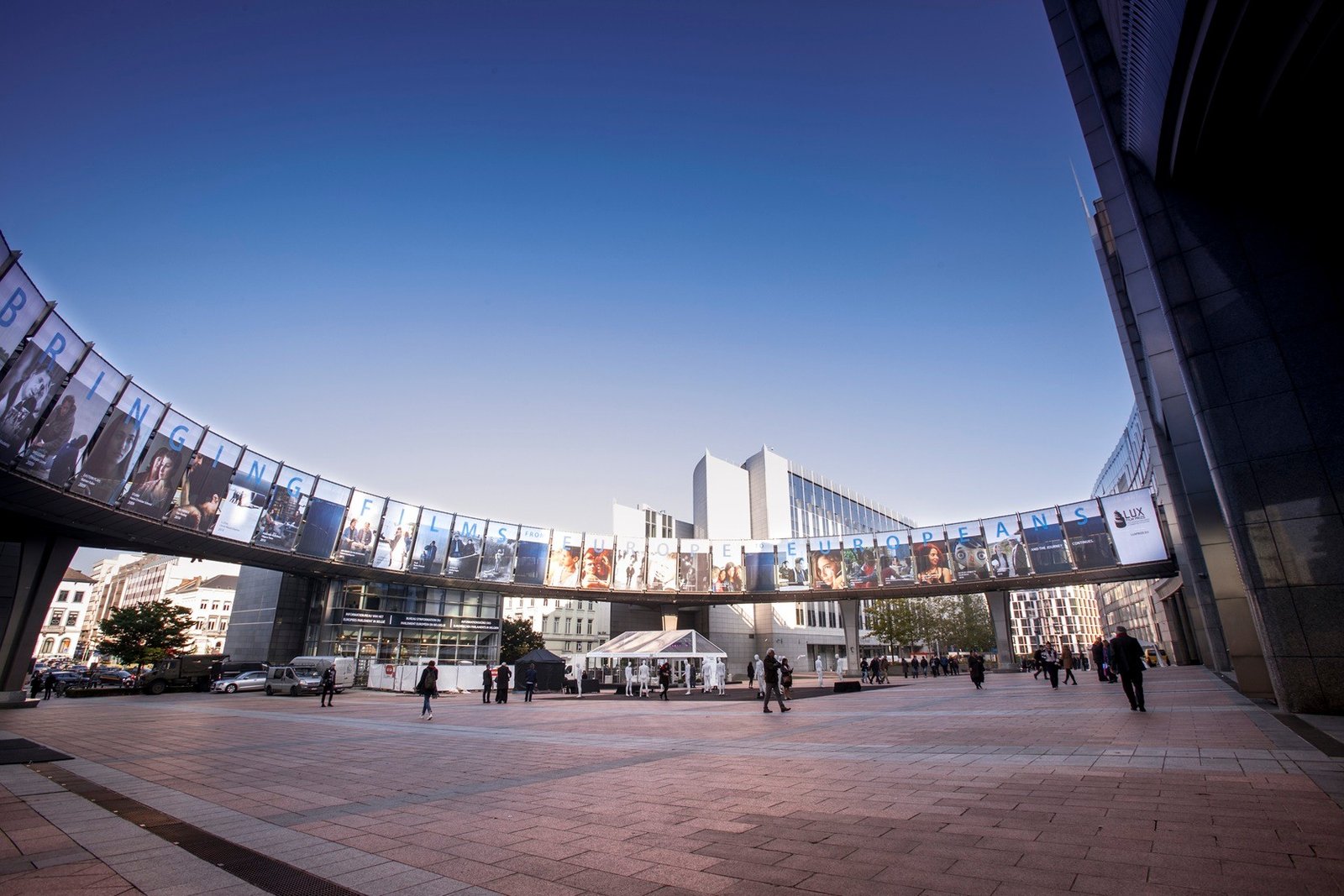
The Esplanade of the European Parliament (© European Union 2016/Source: EP)
What is at stake? The Creative Europe budget was already one of the smallest EU-funded programmes, with the MEDIA strand accounting for 58% of its total allocation (€2.44 billion for 2021-2027). The new AgoraEU proposal is significantly more ambitious: a total budget of €8.6 billion, €3.2 billion of which would go to MEDIA+, covering film, audiovisual, video games and the news sector. This represents a 113% increase compared to the previous programming period, which is, of course, a welcome development, at least in principle. As MEDIA celebrates its 35th anniversary in 2026, however, the sector is sending a clear message: increased funding alone is not enough if the programme’s identity and objectives are diluted in the process.

A joint statement urges the European Parliament and member states to preserve the core identity of the MEDIA programme and reinforce its impact across the entire film value chain, from screenwriters and directors to independent production companies, film sales agents, distributors, cinema operators, festivals, markets, training initiatives and networks. The “intrinsic and artistic value of culture”, the signatories insist, must remain “at the heart of the programme”.
A central concern is the failure to distinguish film from news. The proposal for the audiovisual strand (Article 5) is lumped together with the news sector (Article 6) under MEDIA+, without a dedicated, ring-fenced budget allocation for film and audiovisual. The associations are unequivocal: the film and audiovisual industries are cultural and creative sectors with entirely different missions and business models from news media, and their funding must be identifiable, secured and clearly separate in both budgetary and operational terms.
Maintaining a structured dialogue is equally urgent. The Creative Europe Committee, which currently ensures regular exchanges between the European Commission, member states and the audiovisual sector, has disappeared from the new proposal. The signatories call for its reinstatement, along with annual work programmes and transparent, ongoing consultations with industry representatives across the entire value chain.
Several other troubling omissions are cause for concern. The Annex that previously ensured predictability for applicants has been removed, creating uncertainty about which activities will be supported from year to year. The joint statement is clear: “The word ‘film’ should be reintroduced to clearly distinguish the film and audiovisual sector from the broader media sector, and avoid confusion that could undermine the specificities and independence of each sector.” Theatrical distribution appears only in general provisions, rather than in Article 5, where it belongs. The definition of European independent audiovisual production companies, specifically those not controlled by an audiovisual media service provider, needs to be reinstated as a mandatory condition for accessing production support. Plus, a range of essential keywords have simply disappeared, such as “training”, “film education”, “film heritage”, “festivals”, “co-production”, “linguistic diversity” and “networks”.
The film and audiovisual sector is not just a cultural asset; it is one of Europe’s most significant tools of soft power, economic resilience and shared democratic identity. The 17 signatory organisations, among them FIAPF, FERA, Europa Distribution, UNIC and others, representing the full breadth of the industry, are asking for one thing above all: for AgoraEU to build on what MEDIA has achieved over 35 years, rather than quietly dismantle it.
Read the joint statement and see the list of signatories here.
