
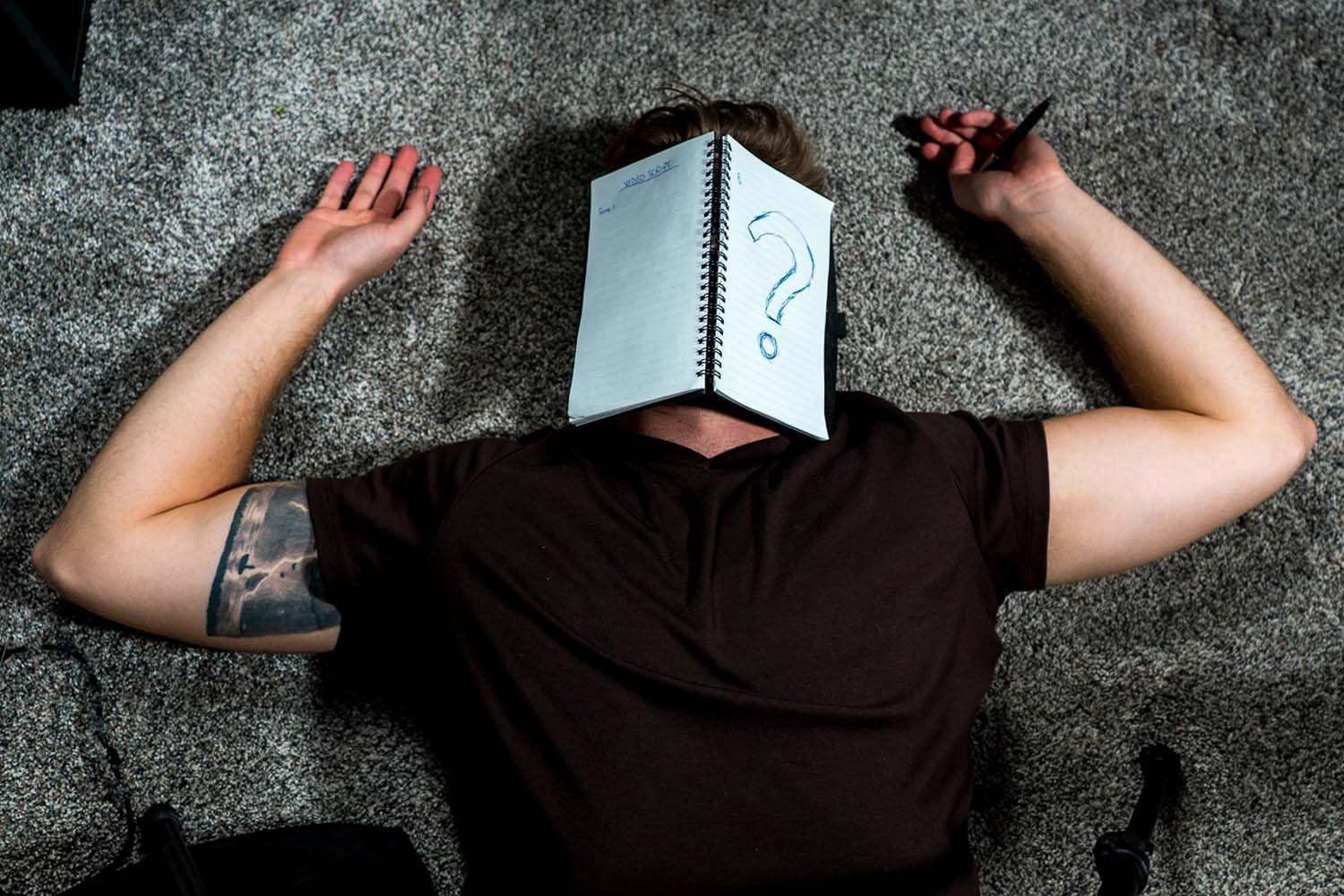
Recently, Unspecified Neurodevelopmental Disorder (UNDD) has gained more and more attention. According to the CDC, American children aged 0-17 are more frequently diagnosed with developmental disabilities and other developmental delays than ever in history.
This article will explain UNDD, an “in-between,” “out-of-the-box” diagnosis from the DSM-5 that acknowledges neurodevelopmental differences when it’s too hard to grasp the whole picture.
What Is an Unspecified Neurodevelopmental Disorder?
According to the DSM-5, Unspecified Neurodevelopmental Disorder (UNDD) is a way to diagnose a neurodevelopmental condition when a mental health professional or neurologist faces one of the following scenarios:
- There are signs of neurodevelopmental conditions, but they don’t fully meet the diagnostic criteria for any existing condition
- There isn’t enough of the patient’s developmental history to diagnose a conclusive condition
- It’s an emergency situation and a neurodevelopmental condition is evident, but there isn’t enough time or resources to pinpoint the exact condition
- The cause of the neurodevelopmental symptoms is not important for treatment or living a high-quality life
- This is a preliminary diagnosis that needs to be updated
- The patient’s symptoms correspond to the criteria of neurodevelopmental conditions but were most likely formed by physical or emotional trauma
It’s possible to get diagnosed with UNDD both in childhood and adulthood. Most people with UNDD who come to neurodivergent screening feel like neither autism, ADHD, OCD, nor intellectual disabilities, etc., fully grasp what they experience in daily life. Also, it might be hard to differentiate where masking starts and ends, making UNDD the safest choice for the clinician and the patient.
It’s important to understand that UNDD does not mean “not serious” or “not enough.” UNDD usually means lack of information and the limits of current diagnostic systems rather than the absence of real difficulties.
It’s still possible for people diagnosed with UNDD to get medical and psychological help, depending on which neurodivergent symptoms disrupt their daily life and health the most. Let’s explore which symptoms fall under the UNDD/neurodivergent spectrum.
(Neurodivergent) Symptoms of Unspecified Neurodevelopmental Disorder
An unspecified neurodevelopmental disorder doesn’t have a fixed symptom list in the diagnostic criteria. But because it’s an “in-between” condition, it includes symptoms of all neurodevelopmental conditions, just not enough in quantity or intensity to be diagnosed with a specific condition.
Executive Dysfunction
- Difficulty starting tasks
- Losing track of time
- Low tolerance, meaning the inability to tolerate boredom
- Being unable to organize
- Finding transitions hard
- Unable to focus
- Constant brain fog
Motor Skills Differences
- Clumsiness
- Slower reaction time
- Challenges with precise hand movements
- Toe-walking
- T-Rex’s hands while sleeping
Emotional Dysregulation
- Rapid fluctuations in self-esteem
- Rapid mood swings
- Inability to calm down
- Lingering negative emotions
- Suppressing feelings
- Experiencing chronic negativity
Challenges with Socialization
- Missing non-verbal cues
- Not understanding social rules “everybody knows about”
- Difficulty maintaining conversation
- Oversharing
- Conversation impulsivity (interrupting, monopolizing conversations)
- Lack of empathy
- Misunderstanding and/or misusing humor
- Not understanding double-meanings (sarcasm, metaphors, idioms)
Sensory Sensitivities
- Feeling distressed by loud or high-pitched noises
- Being easily distracted by visual stimuli
- Disliking specific textures in fabrics, food, etc.
- Feeling distressed by unexpected touches
- Reacting strongly to odors that others don’t smell
- Becoming easily overwhelmed in environments with 2+ stimuli
- Stimming to soothe yourself
- Having strong emotional reactions due to sensory overload
Identity Confusion
- Not knowing your values, goals, interests
- Constantly changing beliefs
- Shifting personality based on the surrounding people
- Depersonalization
- Memory gaps
- Hearing one or more internal voices
- Sense of emptiness
- Decision struggle
Learning Difficulties
- Dyslexia (not recognizing words and letters)
- Slow/poor reading
- Trouble sounding out words
- Dysgraphia (inability to write)
- Poor grammar and punctuation
- Dyscalculia (not understanding maths concepts)
- Difficulties summarizing and organizing information
- Trouble managing time
- Strong reliance on memorization
Tics and Involuntary Body Movements
- Uncontrollable facial expressions
- Complex motor tics that involve multiple muscle groups
- Repeating certain words
- Sudden vocal tics (swearing, screaming, shouting out words)
- Feeling tics like an irreversible desire, like sneezing or itching
These symptoms can vary widely from person to person. UNDD means having a few symptoms of different intensity from different categories.
Unspecified Neurodevelopmental Disorder (UNDD) vs Other Specified Neurodevelopmental Disorder (Other Specified NDD)
UNDD is frequently confused with another not fully specified neurodevelopmental disorder, Other Specified Neurodevelopmental Disorder (Other Specified NDD).
They share similar goals: both are used when patients show clear neurodevelopmental difficulties but don’t fully meet the criteria for a specific diagnosis.
With UNDD, the clinician does not clearly state why the diagnostic criteria aren’t met. A mental health professional makes this choice intentionally until further investigation or because having a specific diagnosis is irrelevant. For example, when there isn’t enough information, the case is complex, the evaluation is limited in time, etc.
Other Specified NDD also acknowledges neurodevelopmental symptoms; the difference is only that the clinician provides a reason why symptoms don’t fully meet the criteria.
Other Specified NDD must always be recorded with a specific reason. For example, “Other Specified NDD associated with prenatal alcohol exposure” or “Other Specified NDD followed by high cognitive and social development.”
In essence, UNDD and Other Specified NDD don’t differ at all: symptoms, their intensity, and impact on mental/physical health can be the same. The only difference is how a clinician decides to document the condition: providing a reason or not.
5 People Diagnosed with UNDD Share Their Stories
UNDD is a case-based condition. Understanding why, when, and how it’s diagnosed becomes clearer through lived experiences. Here are 5 examples of people diagnosed with UNDD.
All experiences are collected from real comments on r/neurodiversity on Reddit.
“I Feel Like I’m Between Diagnoses”
“I have UNDD or what I was told was UDD (Unspecified Developmental Disorder) (diagnosed around age 12), I also have Developmental Trauma, which likely contributes, and other diagnoses [BPD, GAD].”
This person described having traits of both ADHD and autism, but also symptoms of other neurodevelopmental conditions. The most deciding factor for their clinician to diagnose UNDD, in their opinion, was the patient’s mother’s drinking in the womb and the subsequent developmental trauma.
Neurodivergent Parents Having a Child Diagnosed with UNDD
One person shared that they and their husband are both neurodivergent with ADHD. They had a child, and eventually the kid got diagnosed with UNDD. The neuropsychiatrist involved claimed that a child will have a 2-year delay in development but will be able to catch up by the age of 21.
In this case, UNDD was a result of having neurodivergent parents and an unclear diagnosis until a later age.
UNDD as Differential Diagnosis
Another Reddit user shared that they received a UNDD diagnosis during an autism evaluation, despite their testing “clearly showing level 2 ASD.” The diagnosis was influenced by several factors: high masking due to gendered upbringing and co-occurring conditions (ADHD, PTSD, social anxiety, depression).
In this specific case, a patient might have faced a biased clinician who had a stereotypical view of how autism should show up. This case highlights a key reason for UNDD diagnoses: when clinicians cannot confidently separate neurodevelopmental traits from trauma or other conditions, they may default to a broader category.
Diagnosing UNDD When There Isn’t Enough Information
One individual explained that their UNDD diagnosis was based on two main factors: noticeable executive functioning and cognitive differences. Neither fits clinical diagnosis criteria for neurodevelopmental conditions.
This person mentioned having “limited recall of childhood,” with only partial reports like emotional delays and severe tantrums suggesting something developmental. Because early childhood evidence is essential for diagnoses like autism, this gap made it impossible to confirm a specific condition.
“On the Cusp of Autism”
One Reddit user shared that during their assessment, their clinician told them they were “on the cusp of autism” but didn’t meet full criteria. The reasons are quite common: a lack of information about developmental struggles in childhood.
Interestingly, this person was told that they had relatively lower support needs. Here, UNDD diagnosis served as a middle ground: acknowledging that something is developmentally different while understanding that this person has enough internal resources to cope with their symptoms.
People in the comments started to wonder whether this Reddit user felt dismissed, but the user claimed they felt validated. The reason is that earlier their struggles were dismissed and treated as “depression and anxiety.”
Living a Fulfilled Life with UNDD Diagnosis
An UNDD diagnosis doesn’t define what your life will look like. But a big part of high-quality life with UNDD is support, as with any neurodevelopmental disorder.
Support systems depend on the specific symptoms, their intensity, and the person’s independence, but they generally include:
- Prescription medication
- Therapy
- Supporting social circles
- Communities built around shared interests
- Adjusted lifestyle
- (Disability) accommodations
- Hospitalization
What you can focus on is reducing neurodivergent burnout and embracing differences. You don’t need to meet neurotypical standards to have a fulfilling life. The general recommendation is to stop measuring yourself against expectations that weren’t built to meet your brain’s needs.
Managing stress is a significant part of that. Our posts on easy ways to reduce stress and calming anxiety at night cover practical techniques many neurodivergent people find helpful. Sleep quality is also worth prioritizing — our guide to a healthy sleep routine is a useful read alongside any broader support plan.
Sources
Better Living may earn commissions through affiliate links and may occasionally feature sponsored or partner content. If you make a purchase through our links, we may receive a small commission at no cost to you.
