
Three Indigenous tourism organizations say they are withdrawing support from the Indigenous Tourism Association of Canada (ITAC) over concerns about “financial mismanagement and lack of transparency in fund allocation” over several years.
Indigenous Tourism Ontario (ITO), Indigenous Tourism B.C. (ITBC) and Nova Scotia Indigenous Tourism Enterprise Network (NSITEN) have signed an MOU to establish another national tourism organization and will invite other organizations to join in the coming months, according to letters obtained by CBC Indigenous.
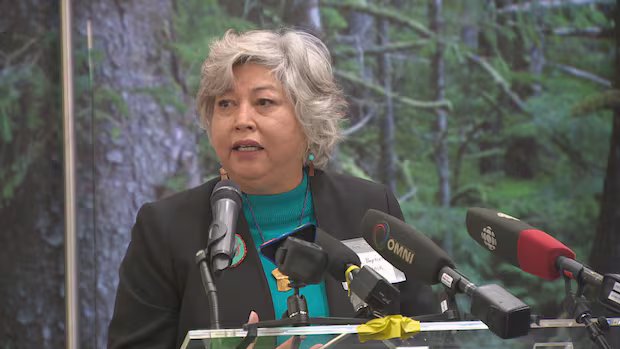
ITBC Chair Brenda Baptiste said in a letter to ITAC, dated May 12, that the decision “follows escalating public concerns” and that ITBC had identified “sustained, unresolved issues regarding ITAC’s conduct, direction and governance.”
“To safeguard the credibility and growth of our provincial sector, we are refocusing a provincial-led model of governance until a national governance structure is created,” the letter continued.
CBC Indigenous has previously reported on what Keith Henry, president and CEO of ITAC, called “cash flow” issues.
Several small business owners have said they have not received federal funding they were promised that was being distributed through ITAC. Other Indigenous-owned businesses reported late payments after an Indigenous tourism conference hosted by ITAC in Edmonton in February.
In a letter to ITAC dated Feb 18, obtained by CBC Indigenous, NSITEN executive director Robert Bernard said the “deteriorating relationship” between them and ITAC over the past few years has been a “great disappointment.”
“As one of the original founders of ATAC and now the ITAC board, I have personally witnessed such a fall from what we originally saw as great growth in regions and real impact across the country since the journey of this particular organization began in 2012,” Bernard said.
ITBC and NSITEN said in statements that they sought resolution through mediation with ITAC’s CEO and board but efforts were not met with meaningful participation.
Last week, Henry released a statement on the ITAC website saying the organization was “in crisis” and he had made the decision to lay off ITAC’s remaining team members while he remains on staff, unpaid.
CEO blames lack of funding
In the statement, Henry said “the root cause of the emergency … is a lack of federal investment,” saying the organization had received no federal funding for 2026-27, and he urged people to send letters of support for ITAC to Canada’s Secretary of State for Small Business and Tourism.
Henry has said ITAC’s federal funding had declined over several years and that ITAC was promised $35 million a year for seven years from a U.K. charity — funding that has not materialized.
In an email to CBC Indigenous, Henry said all staff were laid off by Feb. 15 and “are now on temporary layoff benefits.”
Henry said statements made by ITBC regarding financial mismanagement and lack of transparency are “unfair and untrue.”
Henry said ITAC had tried to meet with the three withdrawing organizations for several years but that “NSITEN and ITBC agenda’s have lost sight of the importance of building one strong industry voice.”
Henry said ITAC has “offered to resolve issues” as long as they were willing to respect ITAC staff and board.

Henry said ITAC’s received over 60 letters of support to restore federal investment for the struggling organization; he provided 12 of those letters to CBC Indigenous.
“We hope Canada will recognize the actual core issue here for Indigenous tourism in Canada is a lack of commitment and investments to infrastructure,” he said.
In a statement released May 14, Henry said ITAC had held two meetings in the past week with the U.K. funding partner.
“We continue to expect the deposit to arrive within approximately two weeks,” he said in the statement.
Holly Spence, CEO for Indigenous Tourism Manitoba, expressed her support for ITAC in a statement to CBC Indigenous but said she could not comment on “ITAC’s internal matters.”
“We believe Indigenous tourism in Canada requires continued support to ensure Indigenous tourism operators across the country have equitable access to development, marketing, and leadership and partnership opportunities,” said Spence.
“The Indigenous Tourism Association of Canada has played an important role in advancing that work nationally over many years.”
Comprehensive review underway
A representative from Innovation, Science and Economic Development Canada, which funded the Micro and Small Business Stream grants that some recipients haven’t received, said in an emailed statement that “a comprehensive review is currently underway.”
“As this review is ongoing, the department is not in a position to provide further comment at this time.”
This is little comfort to Aïcha Smith-Belghaba, who has been waiting for her $25,000 Micro and Small Business Stream grant since January 2025.
Smith-Belghaba, who is Kanienʼkehá:ka and Algerian from Six Nations of the Grand River, owns Esha’s Eats, which provides catering and Indigenous culinary experiences. She said she’s had to take on a second full-time job since not receiving the grant.

She’s been vocal about the unpaid grants to small Indigenous businesses, advocating on social media and sending emails to ITAC and government officials.
Smith-Belghaba said she’s exhausted because the ordeal has taken over a year and half.
“It’s frustrating because this has now turned into another job for me, like fighting for what I deserve and the rights of other people and for myself and it’s just I already have an insurmountable amount of pressure on myself,” she said.
Smith-Belghaba said, as CEO, Henry is responsible to ensure approved funds were paid to people but said she has yet to see him take accountability in his emails, newsletters or the media, or present a plan of action beyond blame.
“I think that he is placating, that he is coming up with excuses and I don’t believe him to be accountable for anything and somebody needs to make him be accountable,” she said.
“Everybody’s better off without ITAC. Because clearly, what have they even been helping with? Nothing.”
