
– CANNES 2026: Sara Ishaq creates a women-only oasis in a drama that’s open to all, set in war-torn Yemen
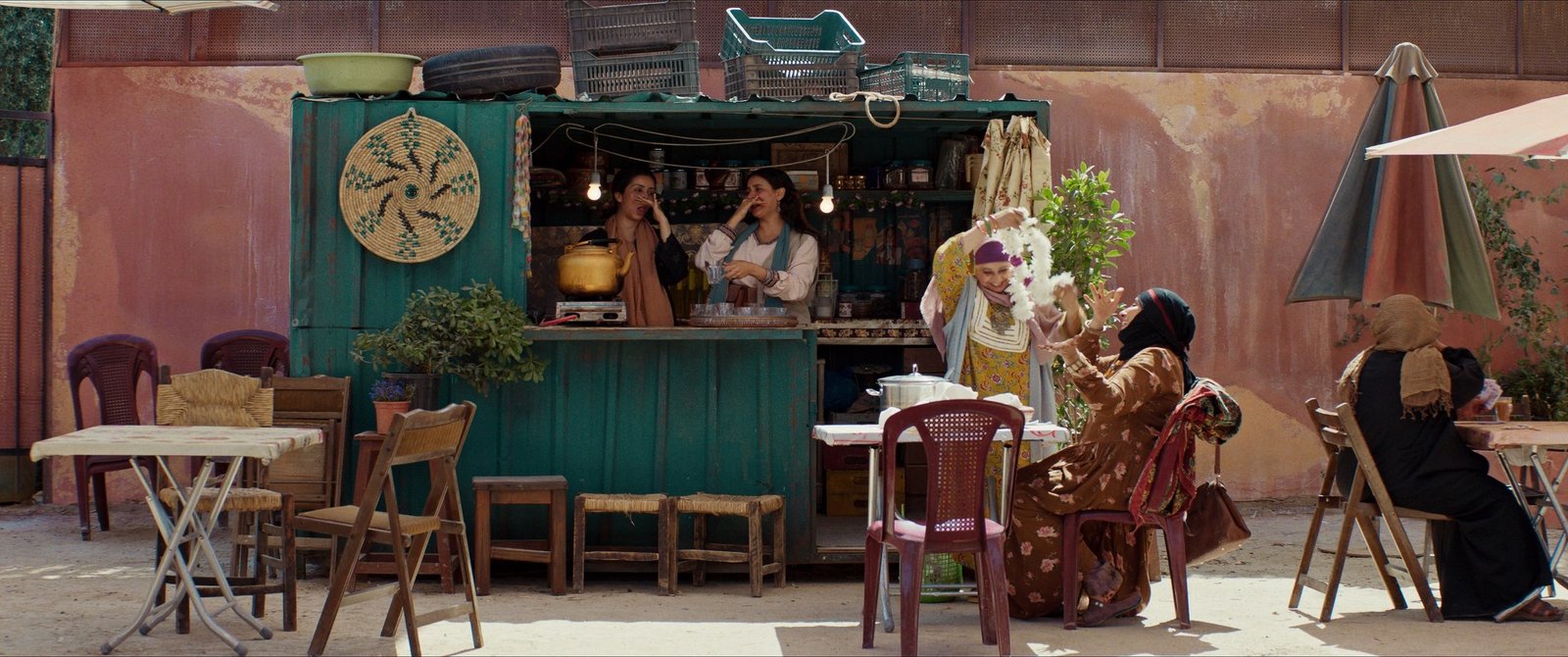
In Sara Ishaq’s Critics’ Week drama The Station, women and men live parallel lives in war-torn Yemen. The division is clear: “As men vanish into battlefields, women are left to hold society together.” They mostly meet at a small petrol station in the middle of nowhere, which quickly becomes everything they need. It’s a joyful place where they can take off their veils, talk and smoke some shisha, as a rather controversial sign outside repeats: “No men, no weapons, no politics.” You can get anything else though, from clothes to forbidden contraceptives.

Of course, they can only escape for so long; soon, there’s a very tall boy to hide and suspicious people sniffing around. The army needs everyone, with no exceptions, and they are targeting boys as young as 12. “Heroism awaits you!” they promise. Some of them are susceptible to such lines – just like Layal’s little brother (Manal Al-Mulaiki). “They tease me for being among the housewives,” he says, bored out of his mind, so war actually sounds appealing to him.
Ishaq – who has Yemeni roots and a documentary background – was inspired by a similar real-life place, but her film transcends one country. It’s essentially a continuation of all those warm ensemble dramas in which women from different walks of life come together to support each other. The 1990s perfected the genre: How to Make an American Quilt, Fried Green Tomatoes or, a bit later, Divine Secrets of the Ya-Ya Sisterhood. These characters (played here mostly by non-professionals) build a community and bicker, but when the going gets tough, they’ve got each other’s backs.
Which is not to say that everyone in this place is a friend. Some conservative women seem to be allergic to the small freedoms enjoyed here and are dedicated to spreading the official line. The stakes are clear to everyone: war. But it’s also about finding a place where you can be yourself for a while and just enjoy life, when everything else revolves around death. The world outside Layal’s gates, controlled by a gang, is so barren. Inside, there are flashes of colour. These women don’t talk about which side they’re on or about how many people they’ve lost. That’s for that other side only.
To keep her brother by her side, Layal has to pay. A lot. She realises this is only a short-term scenario and that, once her sister arrives with her male chaperone, they’ll need to find a permanent solution quickly. Luckily, they are not alone. The Station starts off uplifting but becomes darker – as mentioned, they can’t stay inside forever, and violence is ever-present. But it really believes in women and doesn’t scare its audience off. Like that small petrol station, it’s open to everyone.
The Station is a Yemeni-Jordanian-French-German-Dutch-Norwegian-Qatari co-production staged by Screen Project A Ta Films Company and Georges Films, and co-produced by One Two Films, Keplerfilm and BarentsFilm. It is sold overseas by Paradise City Sales.
