
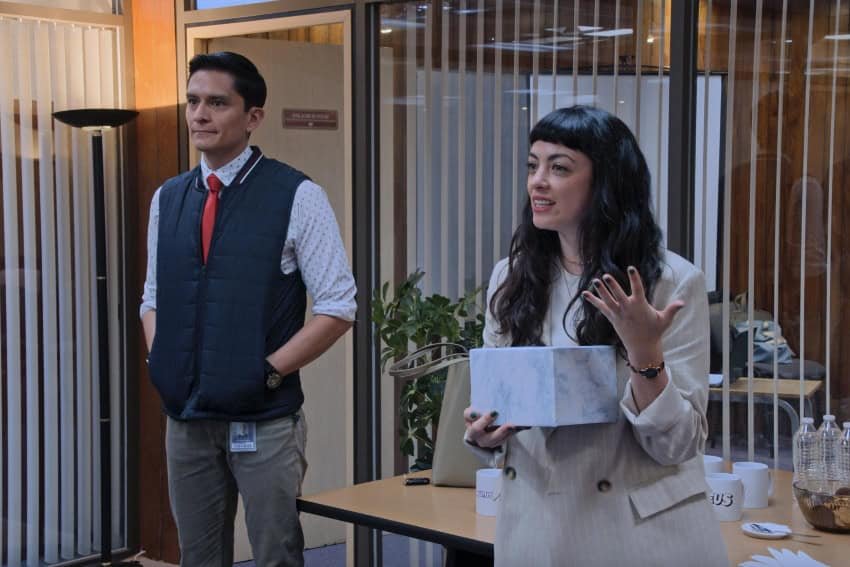
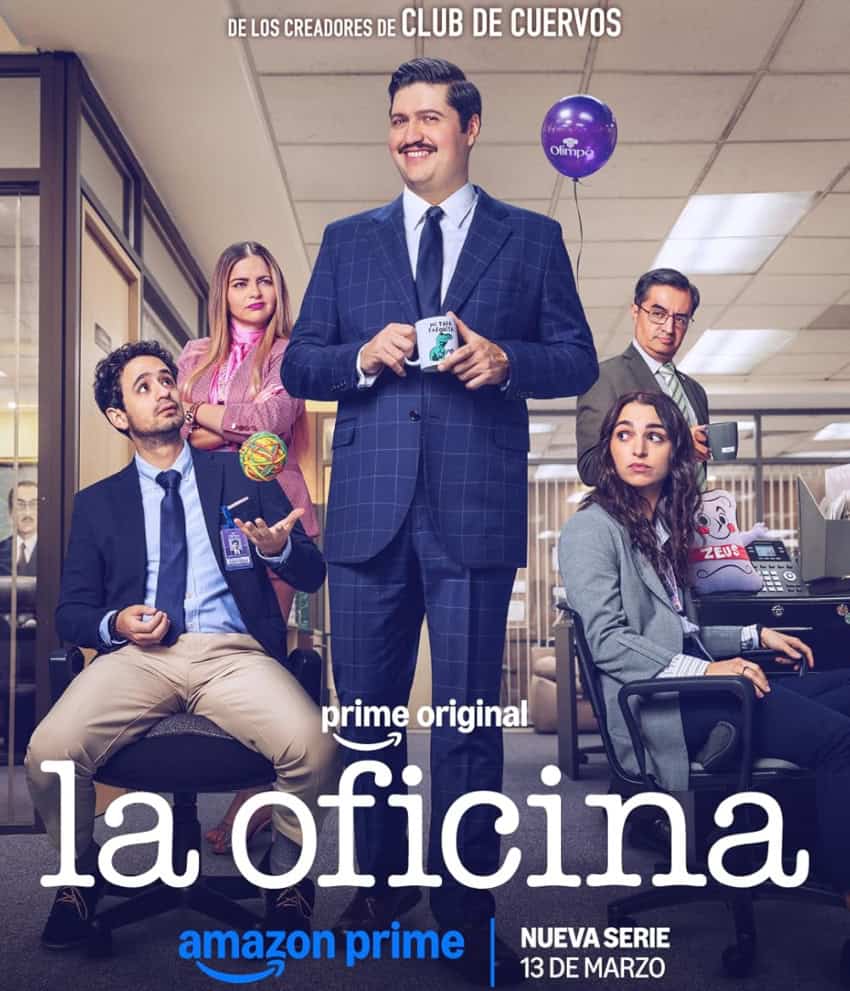
I was very skeptical when Amazon Prime announced “La Oficina,” the remake of the classic comedy “The Office,” which began in the U.K. and went on to become an even bigger hit in the U.S. version starring Steve Carell.
As the name suggests, “The Office” — which has remakes in at least a dozen countries, including Australia, Germany and France — follows the day-to-day life of an office, its employees and their boss in a satirical documentary-style format known as mockumentary.
As a fan of the U.S. version myself, I cringed the first time I saw an ad for “La Oficina” in my Amazon Prime account.
“Why are they doing this? We don’t need a Mexican version of ‘The Office,’” I thought, considering the intent to be a profanation of the hugely successful show.
Still, I decided to give it a try.
The format works in Mexico, too
So, with the uncomfortable feeling of not knowing what to expect and fully anticipating turning the TV off within the first five minutes, I pushed my prejudices aside and watched the show.
To my surprise — and to the surprise of many Mexicans — the show was a joy to watch.
“‘La Oficina’ (México) is really well done!” said a user on social media.
“I finished it in one afternoon. It’s really good,” another chimed in.
Even specialized media like El Saber del Todo called the show “a pleasant surprise to anyone who had no faith in the project.”
In fact, the show was so well received by Mexicans that a few weeks after it was released, Amazon Prime announced it would be renewed for a second season.
Upon learning the news, I felt thrilled about what any of the employees of “La Oficina” would’ve felt if “corporate” had decided to give them an unexpected bonus.
Why did ‘La Oficina’ work so well?
When I discovered that the production behind “La Oficina” was Gaz Alazraki, it all made sense. He is the creator of two of Mexico’s most successful productions in modern times: the film “Nosotros los Nobles” and Netflix’s first Spanish language show, “Club de Cuervos.”
In an interview with Sopitas, Alazraki said that what they had created with “La Oficina” was something Mexicans had never seen before. And he was right, because I can’t recall any show that depicted office reality in such a precise and humorous way.
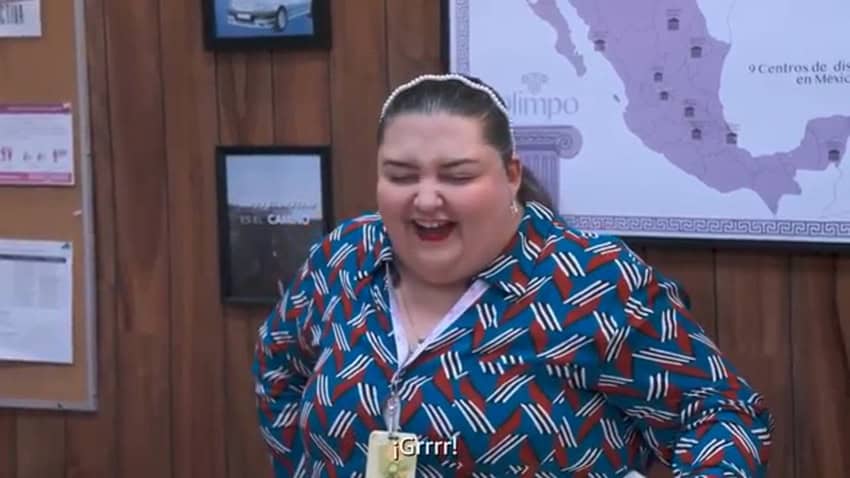
Throughout the whole first season, I found myself nodding and almost clapping at scenes that felt strangely familiar, as if they were taken from real-life events from my days in a Mexican office environment (yes, I was a godín once).
One of the things that the show depicts really well is the reality of Mexico’s business scene.
With “The Office” franchise, the lead character is always an incompetent boss who somehow manages to successfuly run his office, despite his personal shortcomings. For “La Oficina,” however, the boss — Jerónimo, nicknamed Jero — is the grandson of the founder of Jabones Olimpo, a fictional company that sells soap. In a country where most companies are family-run businesses, this couldn’t have been better thought out.
Having the son of the owner as the boss means that no matter how hard the employees try, they’ll never succeed him. It also means that no matter how bad he messes up — or how inappropriate he may be — he’ll never be let go, which gives “La Oficina” a unique plot that accurately, and uncomfortably, represents how many offices in Mexico work.
An uncomfortable familiarity
Another thing the show did really well was choosing Aguascalientes as the setting. The original two series also take place in slightly off-kilter locations, with the fictional Wernham Hogg offices in Slough (a town so legendarily ugly that the UK’s national poet, John Betjeman, called for it to be bombed) and the U.S. version being set in Scranton, Pennsylvania. These quiet corners of the country help establish the characters that inhabit them further and it’s no different for the cast of “La Oficina,” who feel like ordinary Mexicans, not characters in a Netflix drama.
Even the intro scene depicts ordinary streets and public bus rides that reflect how most Mexicans commute to work. In that sense, Aguascalientes accurately conveys the story’s premise: an ordinary city with ordinary people working at ordinary companies. And this feeling of “familiarity” wouldn’t have been possible without the show’s characters.
Alazraki and his team created each of the characters so masterfully that any one of them could fit perfectly into a real office. Because if you’ve ever worked in a Mexican office, you’ve surely had a colleague who does her entire make-up sitting at her desk, or you’ve seen the corporate lawyer in brightly colored shirts with white collars and the paranoid colleague spraying the entire office with disinfectant.
You’ve probably also seen Pope John Paul II’s blessing framed and displayed in a glass case (what Mexican family or company doesn’t have this image on display?) as well as the gigantic portrait of the company’s founder at the backdrop of the boss’s office.
Because if you’ve worked in a Mexican office, I’m sure the show would make you feel — even during the most bizarre moments — that this could be, in fact, your office.
Gabriela Solis is a Mexican lawyer turned full-time writer. She was born and raised in Guadalajara and covers business, culture, lifestyle and travel for Mexico News Daily. You can follow her lifestyle blog Dunas y Palmeras.
