
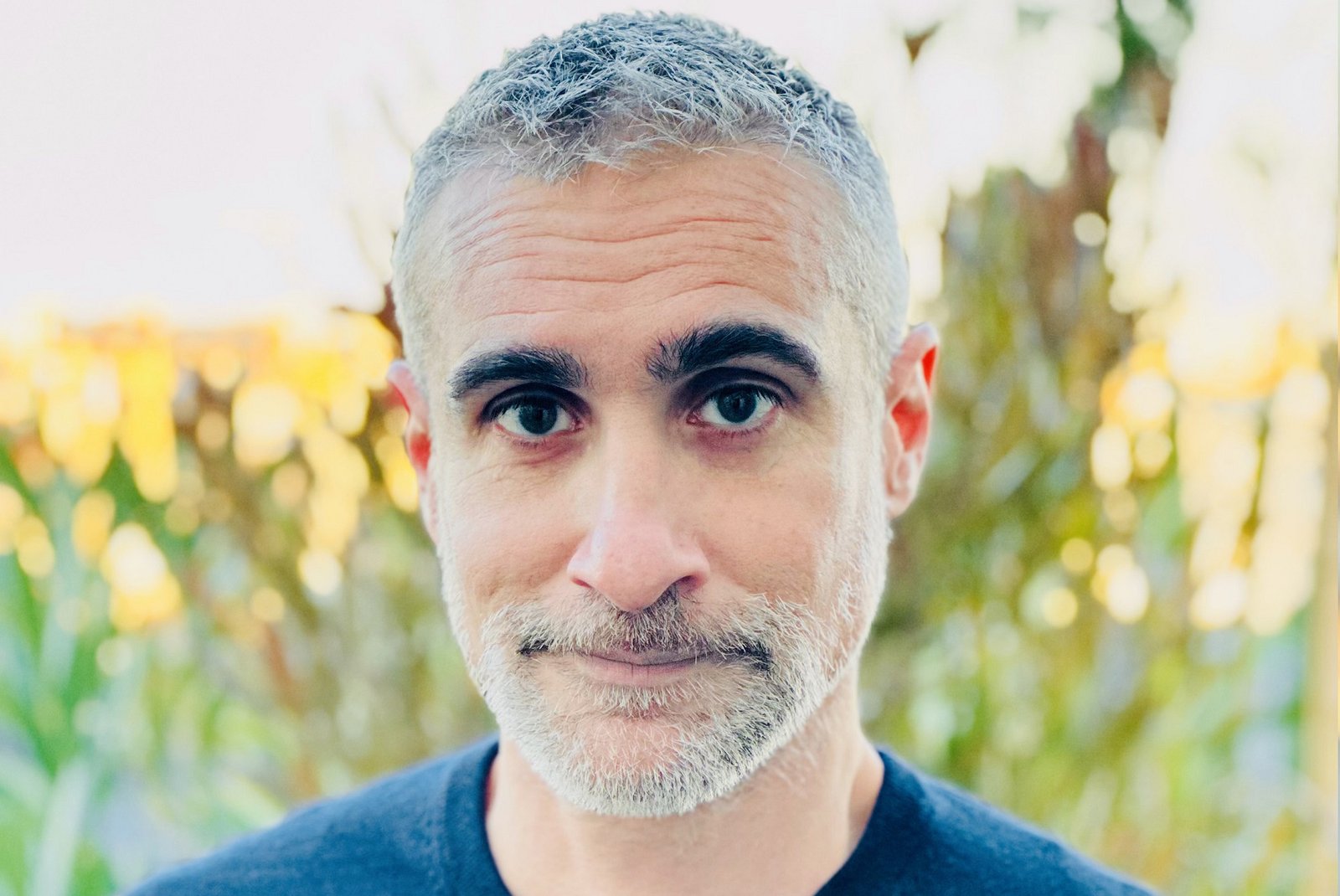
– CANNES 2026: The French director behind Xilam’s new animated feature discusses its visual style and approach to adaptation in his debut featur
(© Xilam)
Premiering as a Special Screening at this year’s Cannes Film Festival, Lucy Lost is a charming 2D animation from Xilam (I Lost My Body), set against the backdrop of the First World War, in which a white-haired girl gradually uncovers the story of her past with the help of an imaginary friend. Ahead of the premiere, Cineuropa spoke with director Olivier Clert, who also served as the film’s lead storyboard artist.
Cineuropa: Why do you think adapting this particular novel works so well in animation?
Olivier Clert: Marc du Pontavice, the producer, bought the rights to the book and had been developing it before I joined the project. I was attracted to the themes and the mood of the book and translating all this into animation was new to me. But since we wanted to talk about trauma and the power of imagination, animation seemed to be a great tool to approach this, to find the mystery in reality without having to distinguish what is real and what is magic.
In a way, everything is possible in animation, because you start from scratch. When you first started storyboarding, what were your initial impressions and ideas?
In the book, the perspective belongs to the other characters rather than Lucy herself. So when we decided to make the film about Lucy and tell it from her point of view, that’s when I began writing and drawing. Knowing that it would reflect her state of mind and her perception of the world – something quite fluid – made it very easy to communicate what I had in mind for the film. When I met with Mark, I arrived with a ten-page treatment and more than 30 drawings, and I just kept adding new ones. By the time I started storyboarding, I already had more than 1,000 drawings. We were all driven by the same goal and moving in the same direction.
The characters in the film are younger than they are in the original book, so how is that reflected in the visual style?
All the research that had been done before I joined the project leaned towards a more realistic style and that was something I wanted to change. I was already drawing the characters to look slightly younger because I wanted to emphasise their innocence. The film is about that moment in childhood when it is coming to an end, just before you become a teenager and have to face the world. Lucy and Milly still possess a childlike imagination and play like children. So we wanted to bring a certain fragility and vulnerability to their shapes and forms, which naturally influenced their appearance. We also tried to make the animation style as simple as possible because we wanted audiences to like them and relate to them.
How did that influence the way the landscape is presented in the film, given that children experience the world differently?
Yes, that’s true. I have to say, those islands are already very cinematic. But at the same time, when you’re a child, you experience nature differently, you look at things differently. Actually, maybe you only really look at things when you’re a child. As an adult, you lose that ability and the sensation of being connected to nature. So we approached the world surrounding the characters with a sense of curiosity and freshness, and nature became a major part of both the storyboard and the film’s overall visual style, since the audience would also be discovering the Isles of Scilly alongside the children.
