
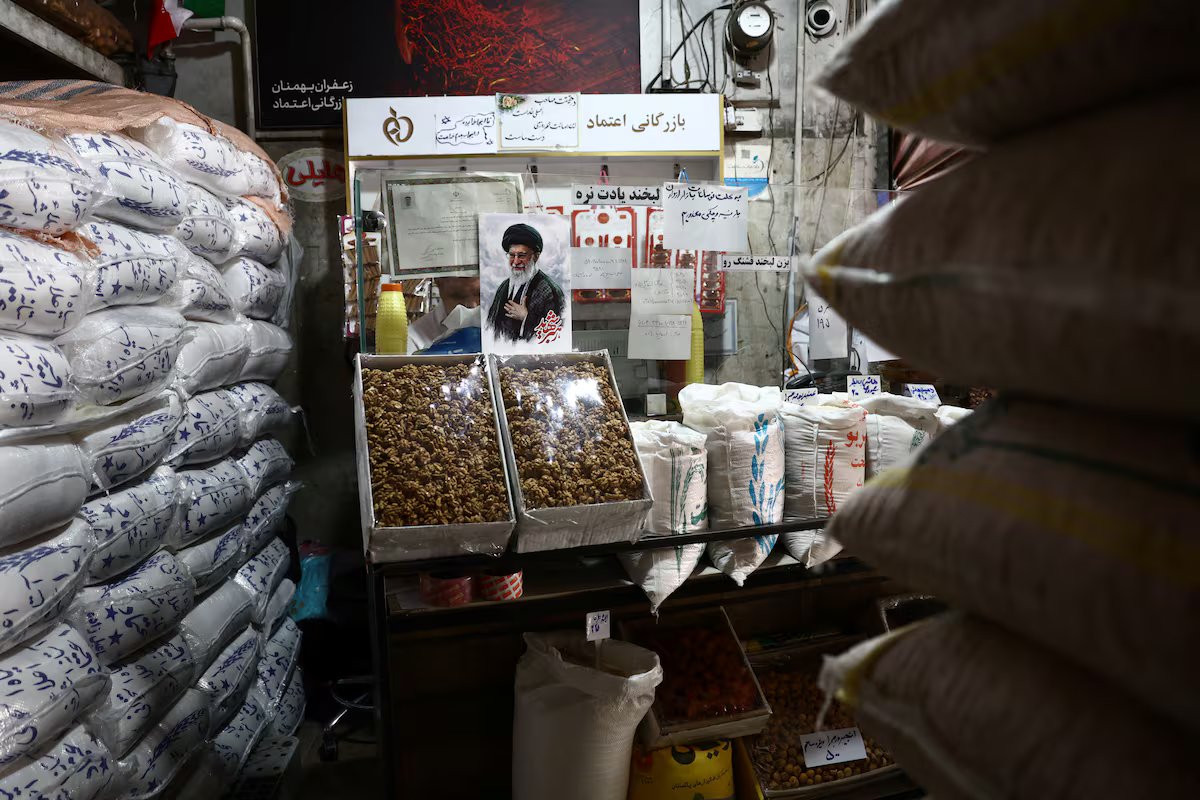
A memorandum of understanding between Washington and Tehran has been sketched out and, if the reports hold, will be signed within the week. The Strait of Hormuz is to reopen and a portion of Iran’s frozen assets is to be released. It is worth resisting the temptation to read this as the end of the conflict. The guns falling quiet is the easier part; whether the bargain underneath the document can be made to hold is another matter, and it turns less on the question everyone expects than on the one few are looking at.
The assumption is that the crux is nuclear — the centrifuges, the enrichment, the roughly four hundred kilograms of highly enriched uranium Iran is now thought to hold. In truth this is the most familiar part of the problem. Caps on enrichment, the removal or dilution of the stockpile, the return of inspectors: this is well-trodden ground, technically and diplomatically, and the broad shape of a solution has been understood since 2015. If the deal founders, it will not be on the physics.
The genuinely intractable half of the bargain is sanctions, and lifting them is an intricate affair. What has accumulated against Iran over decades is a dense, overlapping architecture — presidential orders, congressional statutes, and above all the secondary sanctions that threaten any foreign bank or firm that does business with Tehran. A president can waive a good deal of this, but as evidenced by the switch from Obama to Trump, the next president can simply stop waiving altogether. The legislation that sanctions rest on naturally belongs to a Congress that is never in the mood to “help Iran,” and the banks that matter will remain wary of American sanctions enforcement long after any formal relief is announced. Thus what Iran is offered is suspension rather than lifting: conditional, renewable — and reversible.
This is where any deal risks coming undone. Iran is asked to give up things that are tangible and hard to reverse — enriched material, centrifuge capacity, the access it grants inspectors — in return for relief that is intangible, reversible and hostage to the next American election. Tehran does not have to imagine this; it has already experienced it. It complied with the 2015 accord, by the IAEA’s own account, and watched the economic relief evaporate the moment a different administration took office in Washington. With this in mind Tehran is unlikely to settle for anything less than the actual lifting of sanctions. Ironically, Trump’s best chance of beginning that process is before the midterm elections, in which his party is expected to fare badly.
A Republican Congress would not normally lift a finger to ease the pressure on Tehran, but Trump holds his party in a grip no recent president has enjoyed, and can force it into line where others could only plead. That leverage will not survive poor November election results: unless the incoming Democrats can see past the partisan civil war that is American politics, they are unlikely to give him the help he needs to unravel the web of sanctions the United States has enveloped Iran in.
It is partly for this reason that an argument is gaining ground in Tehran that diplomacy under present conditions is itself a slow form of surrender – that every month spent negotiating, while the economic pressure continues, quietly depletes the leverage Iran believes it won during the fighting and yields nothing solid in return. Those who make this case are arguing less against a deal in principle than against trusting this particular counterpart to keep one. And yet these hardliners are never able to produce an alternative route — very much like their hawkish American counterparts.
Not so long ago, this was very much Europe’s dossier. The 2015 agreement was in large part a European achievement, negotiated by the three large member states and only feebly defended, after the American withdrawal, by the Union as a whole. Little of that counts for much now. The settlement taking shape is being brokered by Gulf and regional states with scant reference to Brussels; Europe’s influence is imperceptible. The continent that once owned this question has been reduced to issuing statements and awaiting the result.
If the document is signed this week, that will have been the straightforward part. Whether it amounts to anything tangible depends on a problem Western diplomacy has yet to solve with Iran: how to make the promise of economic normality credible to a country that has already watched the same promise dissolve once. Until that is answered, a signature settles rather less than it appears to.
