
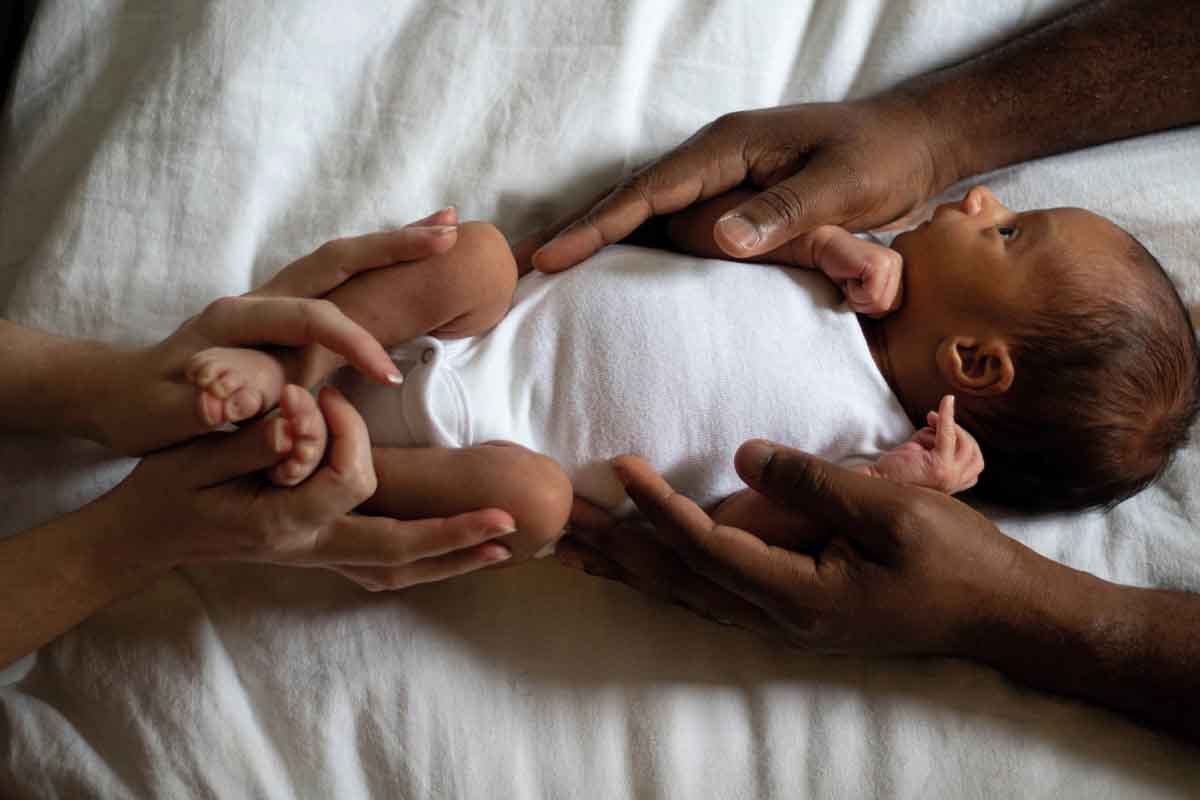
For many, the birth of a child is one of life’s great milestones. It’s a moment of joy and hope that, at the same time, ushers in a period of intense change. For new parents, adjusting to a new member of the family can be a joyously terrifying task. Regardless of the mechanisms by which one becomes a parent (whether traditionally or through fertility treatments, adoption, or surrogacy), focusing on the health of those parents in addition to that of the child is incredibly important.
While a great deal of the conversation has centred around this transition as it relates to mothers, and justifiably so, there is also a case to be made for focusing on fathers’ health and well-being. Alongside their partners, fathers also undergo profound emotional shifts when welcoming a child into the family.
There is increasing evidence demonstrating that many men experience depressive symptoms, anxiety, and other mental health challenges in the perinatal period. A 2021 systematic review of 23 studies including more than 40,000 participants, for instance, found that about one in 10 fathers experienced paternal depression during the prenatal period and first year postpartum.
An unspoken emotional shift
Becoming a parent can be both exciting and disorienting. Men commonly report feelings they did not expect and find hard to name. These include anxiety about new responsibilities, a sense of loss for the life they knew before the baby, frustration with disrupted routines, and an emotional numbness that can feel both confusing and frightening.
Unlike the well-known “baby blues” that many women experience, signs of distress in fathers often present differently. In men, symptoms may include irritability, withdrawal, feelings of worthlessness, excessive work hours, or loss of interest in sex or other previously enjoyed activities. Many men do not realize these are symptoms of a depressive condition tied to the transition to parenthood.
Recent research suggests that paternal depression is a real and measurable phenomenon. The highest rates in fathers often occur between three and six months postpartum, a period when the acute intensity of newborn care meets cumulative exhaustion and shifting family dynamics. This often coincides with mental health challenges that their partner may be experiencing, making this a particularly sensitive time.
Why men struggle in silence
Despite the prevalence of these experiences, fathers are far less likely than mothers to seek help. Social norms around gender roles, outdated ideas of masculinity, stigma about emotional vulnerability, and a lack of awareness may contribute to this silence. Traditionally, gender roles often predispose men to an attitude of “staying strong” or “toughing it out” and to define success in parenthood in practical, not emotional, terms. These beliefs have historically made it harder for men to recognize and speak about what they are feeling and to take proactive steps in addressing their own mental health.
Healthcare systems can also play a role in furthering some of these detrimental attitudes. Routine prenatal care and postpartum visits focus almost exclusively on mothers. Fathers are often present at these appointments but rarely asked how they themselves are doing. Although there are increasingly more inclusive attitudes toward looking at the mental health of fathers, historically this has not been the case.
Unfortunately, all too often, men don’t seek help until their mental health struggles are impossible to ignore. Early conversations with one’s social support network, visits with a trusted healthcare practitioner, routine screening, and peer support groups for fathers can help men identify and manage their symptoms. Community mental health services and online peer networks are emerging as valuable resources for men who may feel uncomfortable entering traditional therapeutic spaces.
If you are a new father and notice persistent sadness, changes in sleep or appetite, loss of interest in work or hobbies, or constant irritability, these are not signs of failure. They are signals that your brain and body are adjusting to enormous change and that support can make a meaningful difference.
An ounce of prevention
Speaking from my personal experiences as a father of two and as a mental health researcher, I can attest to the importance of taking proactive steps toward fostering better mental wellness. At the Precision Mental Health Lab, where I am scientific director, we actively seek to identify strategies that can be implemented in people’s day-to-day life to improve their health and well-being. When I am asked about what new fathers can do for their mental health, my strong suggestion is to expect the unexpected and to plan ahead as best you can.
Having the right coping mechanisms, support systems, and an easily available source of good food can be a godsend. After we had our first child, one of the first things somebody did was to drop off a casserole and some freshly baked bread. I couldn’t understand why they’d bring so much food … until it was 4 a.m. and my partner and I were up with the baby for the nth time, having not slept at all. We were both ravenous. That simple meal reminded me that support doesn’t have to be grand to make a world of difference during those early sleepless nights.
Where to get help
There is certainly a time when mental health professionals need to be brought in. If you think you might be struggling, start with your primary care provider. Many family physicians, pediatricians, and naturopathic doctors are familiar with perinatal mental health and can guide you to evidence-based support. If you think you are reaching a point at which your day-to-day functioning is being severely impaired, reach out to someone. Doing so isn’t a sign of weakness; it’s a sign that you’re proactively taking care of yourself and, by extension, your family.
To preserve intimacy and emotional closeness with your partner after a baby arrives, consider scheduling even 15 minutes of undistracted time together each day: cuddling while baby sleeps, openly discussing challenges, expressing appreciation for your partner’s efforts, planning short outings or at-home “date nights”, or practising mindful listening.
Parenting is a marathon, not a sprint, so take things step by step and enjoy the journey.
The friendship gap
Men’s social circles are shrinking. Research reveals that the proportion of men reporting no close friends has increased significantly over about 30 years, from around 3% in 1990 to approximately 15% in 2021—and that far fewer men now report having large friendship networks compared with decades ago. Men are also less likely than women to say they have someone they can confide in. Chronic loneliness is associated with a higher risk of depression, heart disease, and early mortality.
Why are men more vulnerable to loneliness?
Some reasons for male loneliness include the following:
- Social norms discouraging emotional openness
- Heavy reliance on a romantic partner as the primary confidant
- Work and mobility disrupting long-term friendships
- Activity-based friendships with limited emotional depth
Rebuilding connections
Keep things simple and intentional. Try the following:
- Scheduling regular contact with friends, even monthly
- Adding one deeper question to routine conversations
- Joining group activities such as sports, volunteering, or hobby clubs
Loneliness is not weakness. Social connection is preventive health. For men navigating fatherhood, career change, or midlife transitions, investing in friendships can foster resilience, mental health, and overall long-term well-being.
This article was originally published in the June 2026 issue of alive magazine.
