
If you’ve only been applying for gigs at big companies, you may want to rethink where you’re sending job applications.
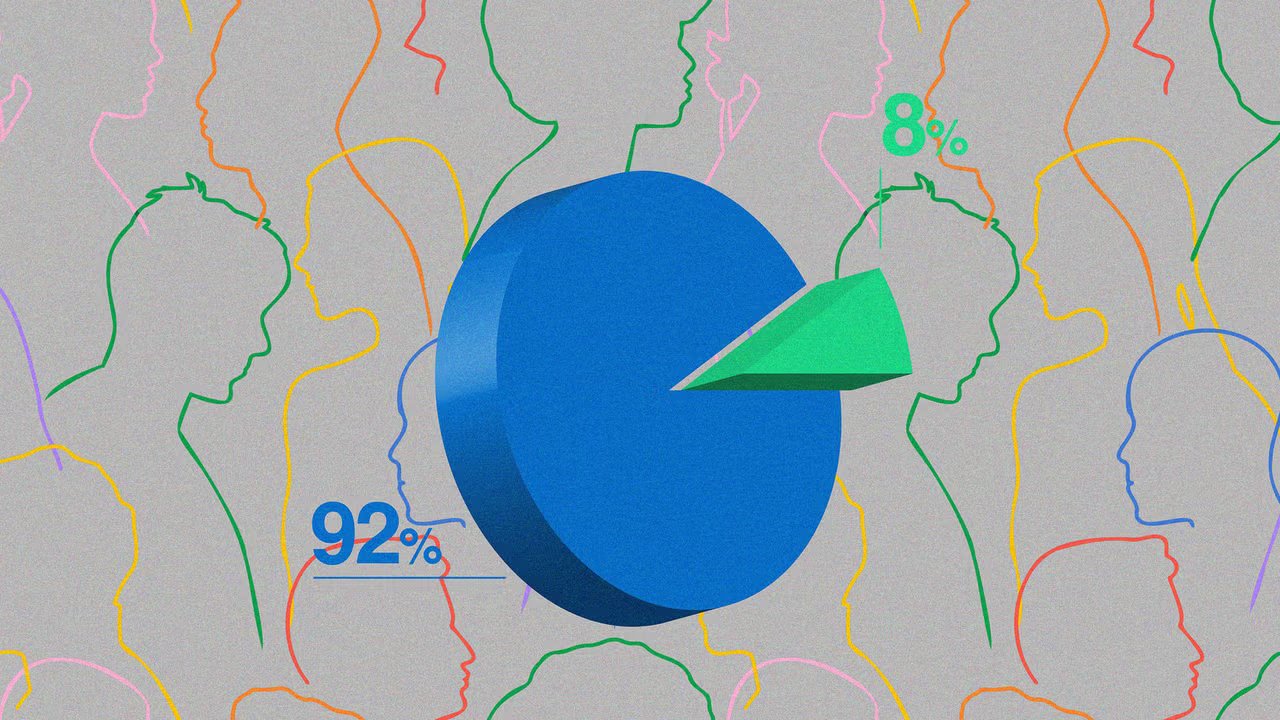
According to data from the Bureau of Labor Statistics, nearly 93% of hires for privately held companies during May came from US business establishments with fewer than 1,000 employees. Companies with 10 to 49 employees made up the largest share of the month, followed by companies with 50 to 249 employees.
Based on an analysis of federal data from Business Insider, companies with 5,000 or more employees have made up just 1% to 2% of hires over the last two decades, and seem to hire less than their number of job postings. In May, they posted about 3% of job openings but made fewer than 2% of hires, whereas companies with between 50 and 999 employees accounted for about 39% of job openings but around 43% of hires.
However, as one economist told BI, some large employers may be reported as multiple companies depending on its structure. Still, hiring in recent years has grown mostly at businesses with 1 to 49 employees.
Whether it’s because of AI automation or course-correcting after overhiring during the pandemic, some of the world’s biggest companies have issued mass layoffs in recent months. Visa most recently announced it would lay off 2,600 of its roughly 34,000 global employees. In May, Meta laid off 8,000 employees of its workforce of 78,000 at the time. Other companies with thousands of employees like Oracle and Amazon have also conducted mass layoffs this year.
As AI breaks down traditional startup barriers, more people have been able to create their own small businesses. According to CNBC’s analysis of U.S. Census Bureau data, entrepreneurs in the U.S. filed 1.56 million business applications from November 2025 through January 2026, the most of any three-month period since at least 2004, with many citing AI as making it easier to launch a startup. In addition, lower head counts might mean smaller businesses are also under more pressure to fill vacancies, especially if someone leaves their position.
Last year, a Pipedrive survey of 1,000 small and medium-sized company owners found nearly 60% planned to hire additional employees in 2026, while about 50% of those said they would increase their recruitment and payroll budgets to do so. That said, one recent survey by the Polish tech research firm Omni Calculator shows that nearly a third of employees at small businesses report “ghost downsizing” — the act of not filling vacated roles and spreading tasks to staff or AI — to be on the rise.
Smaller employers are hiring more — and they might provide a better work culture. When Glassdoor released its 2026 list of best places to work, the top slot didn’t get filled by a tech giant or corporate behemoth. While tech and AI companies did make up a large portion of the list, Indianapolis-based chain Crew Carwash with 1,500 employees was ranked first.
Job seekers who are currently frustrated by available work prospects may want to shift their focus to freshly launched startups or companies with smaller teams, where there are better odds (and possibly, the better experience).
