
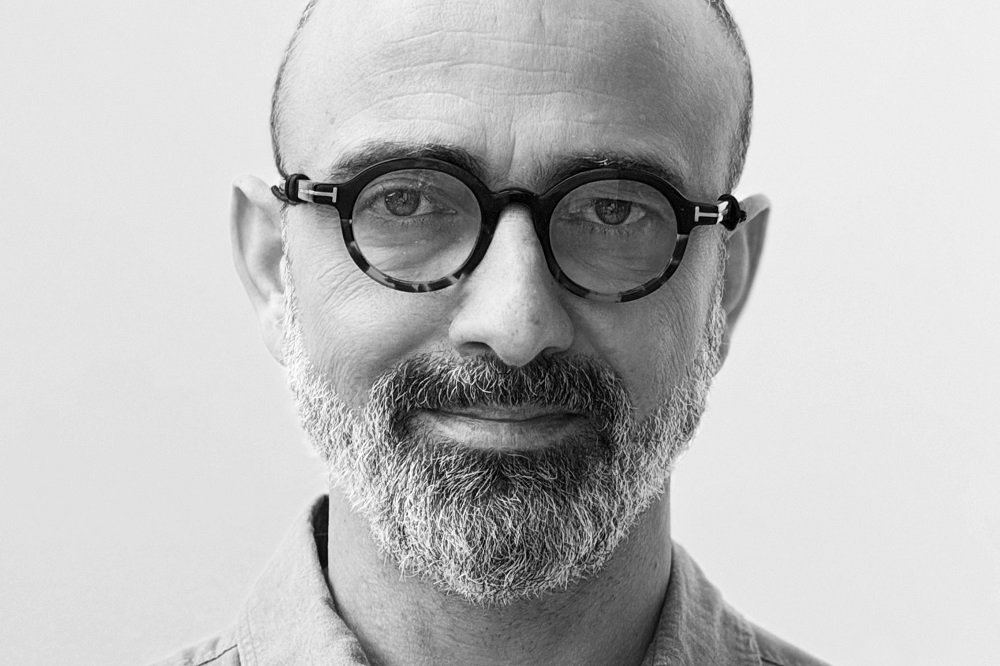
– The Cypriot producer spoke with us about building international co-productions from a smaller industry base, financing and packaging strategies, and sustainable collaboration
Cyprus-based producer Constantinos Nikiforou, founder of Caretta Films, has been selected as this year’s Cypriot participant in the European Film Promotion’s Producers on the Move initiative in Cannes. His company is active across arthouse feature films, television, and international co-productions, with a focus on cross-border development, financing, and production. His recent credits include Snow White Dies at the End by Kristijan Risteki, Beautiful Evening, Beautiful Day by Ivona Juka, and Motherwitch by Minos Papas, which premiered this year in the IFFR. We spoke to him about working from within a smaller national industry, the logic behind international packaging, building trust with partners, and what he’s looking for in Cannes.
Cineuropa: You’ve built Caretta Films around international collaborations. What are the main challenges and advantages of operating from Cyprus in today’s co-production landscape?
Constantinos Nikiforou: Being based in Cyprus isn’t always the easiest position. There’s less access to funding and the industry is still developing. But at the same time, it forces you to think outside of the box from day one. You become more flexible, more resourceful, and more open to collaboration. I see it as a bridge position. We can connect different regions and different ways of working, which is actually a big advantage in co-productions.
Your projects span different territories and sensibilities. What connects them creatively, and how do you position each one for the international market?
For me, it always starts with the story and characters. Even if a project is very local, it needs to carry something universal, something people can relate to anywhere. I’m drawn to stories about identity, relationships, and people under pressure. In terms of positioning, it’s about understanding early on where the film belongs, whether that’s festivals, audiences, or a specific market, and then building the strategy around that accordingly.
You focus heavily on financing and packaging. In practical terms, what makes a project viable across borders today?
It’s a mix of elements. You need a strong idea, obviously, but also the right team around it. Financing these days is like a puzzle: you’re putting together pieces from different countries, funds, and partners. So the project needs to be very clear in what it is, who it’s for, and why it makes sense internationally. At the same time, you’re constantly trying to protect the creative side while keeping the structure financially realistic.
Cyprus is still emerging internationally. How do you build long-term trust with broadcasters and co-producers who might be less familiar with the local industry?
You build it step by step. There are no shortcuts. You just have to deliver, be reliable, and be transparent. People need to know that you will follow through on what you say. Over time, once you have worked together and things go well, the focus shifts from where you are based to who you are as a partner.
As part of European Film Promotion’s Producers on the Move, what kinds of collaborations are you aiming to initiate during Cannes?
I’m looking for people I can build ongoing relationships with, not just one project and then stop. Producers who are open, who think internationally, and who are interested in developing things together over time. Ideally, collaborations where we can combine different strengths and create projects that can travel widely while still feeling authentic.
