
Tempus AI, a company that brings artificial intelligence to diagnostics, is growing its capabilities in oncology through a $1.5 billion deal to buy Personalis and its commercialized test for detecting cancer cells from a sample of patient blood.
Chicago-based Tempus has had a close look at Personalis for the past three years as the commercial partner on its test, Personalis NeXT MRD. Speaking during a Monday morning conference call, Tempus CEO Eric Lefkofsky said unlike some diagnostics that secure coverage quickly, cancer tests need time to demonstrate analytic and clinical validity. But validation can then quickly drive sales — Personalis reported a 33% increase in test volumes in the second quarter of this year compared to the first, generating $22.4 million in revenue.
“You go from zero revenue for some of these tests to significant revenue,” Lefkofsky said. “[Personalis is] now entering that part of the cycle where their financials should improve dramatically. That’s why it was the right time for us to decide to acquire them.”
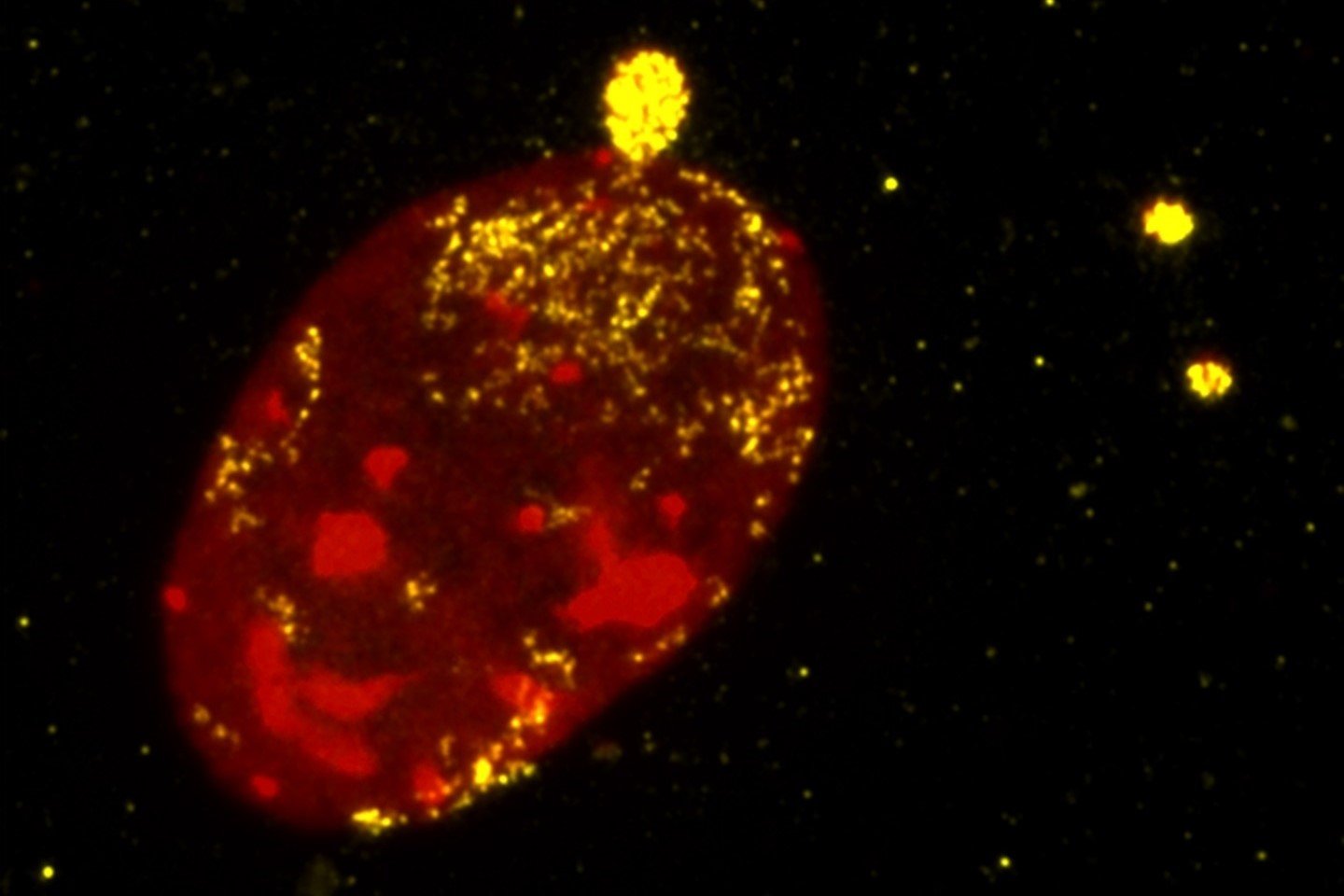
The partnered Personalis assay was developed for minimal residual disease (MRD) testing, which is testing for cancer cells that remain following initial treatment with surgery or drugs. Lingering cancer cells can lead to the return of the cancer. NeXT Personal MRD is a liquid biopsy sensitive enough to detect cancer cells that cannot be identified with traditional imaging technologies. Beyond informing clinicians whether a patient still has cancer, test results can also help determine whether the cancer has developed mutations and whether those mutations can be addressed by targeted therapies.
The Personalis NeXT test launched in 2023. Soon after, Personalis and Tempus began their alliance, placing commercialization of the test for clinical applications in the hands of Tempus and its larger salesforce. As part of that agreement, Tempus made an equity investment in Personalis. In 2024, the partners expanded the collaboration to include sales of the test to pharmaceutical and biotech customers for use in drug research. The partners yet again amended the deal last summer, enabling Tempus to market the test for colorectal cancer.
In an investor presentation, Tempus said the U.S. market opportunity in MRD tops $20 billion. Right now, penetration of the MRD market is less than 10% across most cancer indications. Tempus has its own MRD liquid biopsy offering, a tumor-naïve (also called tumor-agnostic) test called Tempus xM. Personalis’s tumor-informed approach relies on whole genome sequencing of tumor and healthy samples from a patient to understand the patient’s cancer biology. A tumor-naïve approach does not rely on prior knowledge of the patient’s tumor mutations.
Lefkofsky said Tempus believes tumor-naïve tests still have an important place and the company is continuing to invest in it. He acknowledged that the market is embracing tumor-informed assays now, but longer term he suspects both types of tests will do well. Tempus’s overall strategy is to build a broad portfolio of offerings for clinical applications and biopharma R&D. Lefkofsky said Tempus is looking ahead to a world where more tests will be ordered more often in cancer and non-cancer indications.
“I would be very surprised if a decade from now we’re not sequencing just multiples of the number of patients we sequence today clinically,” he said. “In a world where we’re going to generate incredible amounts of molecular data, [testing is] going to become increasingly important for health and wellness and helping people fight disease.”
The transaction is an all-stock deal that calls for Tempus to acquire the shares of Personalis that it does not already own. The deal values Personalis at $1.7 billion, or $1.5 billion, taking into account Tempus’s $200 million ownership stake in Personalis. Shareholders of Personalis will receive Tempus common stock in exchange for each of their shares. The exchange ratio will be finalized closer to the closing date, but the deal values Personalis’s stock at $16.25 per share, which represents a 6% premium to the company’s closing price on Friday and a 28% premium to the stock’s average price in the 30 days leading up to the deal before speculation emerged about a potential acquisition. When Personalis went public in 2019, it priced shares at $17 each.
The acquisition still needs approval from Personalis shareholders and regulators. Tempus expects to complete the transaction late this year or in early 2027.
Public domain image by the National Cancer Institute
