
For many Canadians, money is a near constant stress. Household debt keeps climbing faster than income, and by mid-2025, Canadians owed $1.74 in credit market debt for every dollar of disposable income. In that world, “cutting back” rarely feels like freedom and more like punishment.
But what if frugal living wasn’t about lack or deprivation? What if we reframed this lifestyle as a way to free up money, time, and mental bandwidth while being kinder to our planet?
That’s the vision Vancouver writer and broadcaster Steve Burgess explores in his book, Cheapskate in Lotusland: The Philosophy and Practice of Living Well on a Small Budget (Douglas & McIntyre, 2026). For Burgess, frugality is less about restriction and more about clarity and being honest about what matters in how you spend your hard-earned dollars.
Frugality as a values filter
Frugal living is often portrayed as a joyless series of “no’s.” No dinners out, no travel, no fun. Burgess argues it can work very differently when it’s rooted in values rather than fear.
“Frugality is often a dire necessity, but it can also be a choice, a choice to simplify,” says Burgess. “Ideally, a frugal approach can help you determine your priorities and focus on them. It doesn’t have to mean denial—it just means a greater awareness of what is necessary and what is superfluous.”
That “values filter” is where freedom lives. When you stop trying to buy everything, you can afford the few things that matter most, whether that’s savings, family trips, creative projects, or the occasional big splurge that truly brings joy.
When saving money helps save resources
Modern life encourages disposability through fast fashion, cheap electronics, and single-use everything. Choosing to repair, borrow, or buy used can feel like swimming against the current, but they’re among the most effective ways for the average Canadian to reduce waste and emissions.
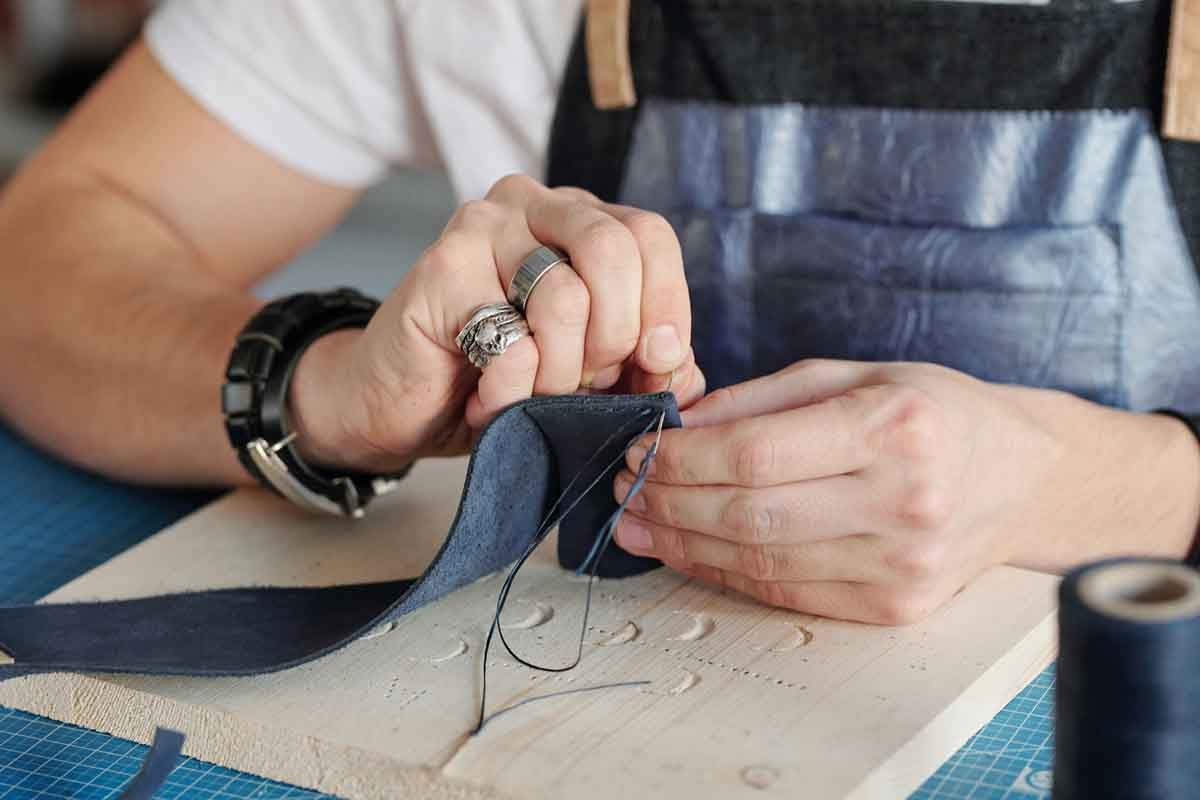
Doing so also encourages us to develop useful life skills, such as learning to mend a seam, sharpen a knife, fix a bike, or troubleshoot home-appliance issues.
“Disposable culture has become an environmental plague,” says Burgess. “Repairing, reusing, and buying second-hand are ways to opt out of disposable culture and save money at the same time.”
Make frugal habits feel good
Burgess recommends adopting habits that do triple duty by protecting the planet, lowering costs, and improving well-being.
“I realize not everyone can easily get rid of their cars, but if you can, it’s really a three-bird-killing stone,” Burgess explains. “You help the environment; you save big money on insurance, gas, and maintenance. Vehicle ownership is a financial millstone. And if you walk and cycle, you improve your own fitness. E-bikes make it easier if you are worried about climbing hills.”
For those who can’t go car-free, reducing car use by walking or cycling for short trips, car-sharing, or bundling errands still cut emissions and costs.
Two other major concerns for many Canadians are the rising cost of groceries and food waste. Here, Burgess suggests a simple but countercultural shift. “When it comes to food, one simple tip is to stop worrying about expiry dates,” he says. “Grab those 30- to 50-percent-off items with confidence. With a bit of trial and error, you’ll find out which product discounts to avoid.”
Start with waste, not a spreadsheet
If you’re already feeling financially squeezed, the idea of overhauling your life can feel daunting. Burgess suggests simplifying the process by first paying attention to what you throw away.
“If you are throwing something out, it was a mistake,” says Burgess. “Try to correct it. Less impulse buying, more situational awareness at the supermarket or clothing store. Strange as it might sound, I never make a budget and never have. It’s because I always operate on the same philosophy that I will buy only what I need and do so at the lowest price, circumstances permitting. That way I don’t need a budget. I have a philosophy instead.”
Define what “rich” means to you
Ultimately, frugality equals freedom once you associate it with positive goals rather than constantly denying yourself the things you want.
“One thing to remember is that you are setting priorities,” Burgess says. “[Frugal living] is not self-torture; it’s discipline that will eventually allow you to focus on what you really want.”
With this mindset, frugality means getting crystal clear on what “living well” means for you—and then refusing to let mindless consumption, mounting debt, or disposable habits get in the way.
Summer travel that’s kinder to the planet (and your wallet)
You don’t have to travel far—or spend big—to have a wonderful summer escape. Here are a few strategies to keep costs down and environmental impact light:
- Stay closer to home: Swap flights and long drives for regional trips by bus, train, or carpool. Explore nearby lakes, campsites, or small towns instead of flying to far-flung resorts.
- Make at least one meal a day: Book a place with a small kitchen or at least a mini fridge. Simple breakfasts such as oats, yogurt, and fruit or picnic lunches can cut food costs since you’re not spending at restaurants and can also reduce packaging waste.
- Choose low-impact activities: Opt for hiking, swimming, biking, farmers’ markets, and local festivals instead of high-consumption attractions such as theme parks.
- Support local, small-scale businesses: Spend your travel dollars at independent cafés, markets, and family-run accommodations to keep money in the community.
- Pack reusables: Bring a reusable water bottle, coffee cup, utensils, and a cloth bag to avoid single-use plastics while on the road.
When saving money also saves the planet
Every time you repair instead of replace, buy secondhand instead of new, or cook at home instead of ordering in or dining out, you reduce demand for new materials, packaging, and energy-intensive shipping. Choosing durable goods over disposable ones cuts waste at the source. Simple “cheap” habits such as mending clothes, borrowing tools, line-drying laundry, and walking or biking when possible can add up to a smaller carbon footprint and less garbage in landfills. Living frugally is gentler on the Earth.
This article was originally published in the June 2026 issue of alive magazine.
