
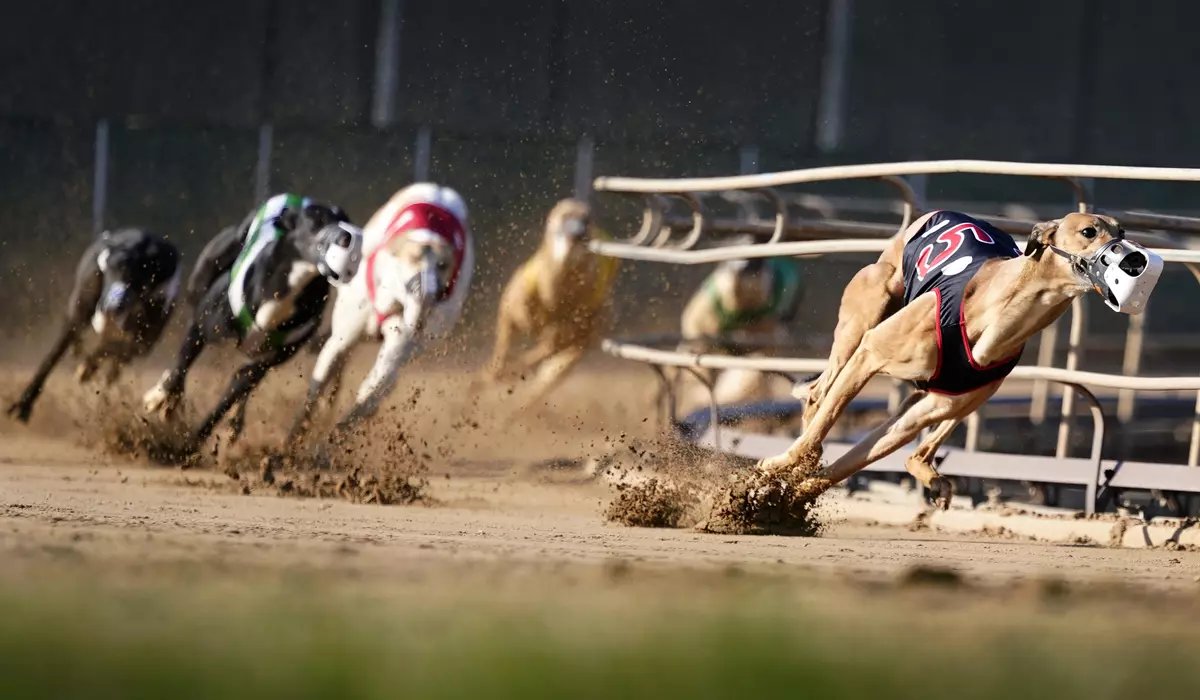
House lawmakers on Thursday voted to ban greyhound racing, a betting sport already prohibited in many states, thanks to pressure from animal rights organizations.
The measure is included in the House farm bill reauthorization, which passed 224-200.
It would prohibit commercial greyhound racing nationwide and make it illegal to bet on greyhound races simulcast from other countries. The measure would also restrict selling, transporting or exporting the dogs for racing.
The measure faces opposition from Sen. Shelley Moore Capito, a Republican and powerful appropriator representing West Virginia, which operates the nation’s two remaining greyhound tracks.
The House easily defeated an amendment that would have carved out an exception to the ban for West Virginia.
That revision was presented by Rep. Riley Moore, West Virginia Republican, but it failed by a vote of 239-187.
Most Republicans sided with Mr. Moore, while most Democrats opposed his carve-out.
Overcoming Ms. Capito’s opposition in the Senate may be more difficult for proponents of the ban.
Ms. Capito said greyhound racing is an important source of local revenue and helps fund the state’s pension program.
The House ban follows years of decline for the nation’s greyhound racing industry and mounting pressure from opponents who say the sport involves inhumane treatment of the dogs. That includes confining the animals to metal cages for up to 23 hours a day, causing them to suffer debilitating and gruesome injuries, including cracked skulls and paralysis.
“Greyhound racing is cruel and inhumane and will soon be relegated to the dustbin of history,” said Christine A. Dorchak, head of GREY2K USA Worldwide, one of the nation’s most prominent opponents to greyhound racing. “In modern society, greyhounds are loving companions and should not be used and abused as gambling props.”
Greyhound racing is illegal in all but six states. Florida was the first to prohibit gambling on such racing in a 2018 ballot measure that passed with 69% of the vote.
The House measure was altered at the last minute to remove “overly broad language” that the American Kennel Club and other groups said could lead to bans on live-bait training methods used by hunters.
