
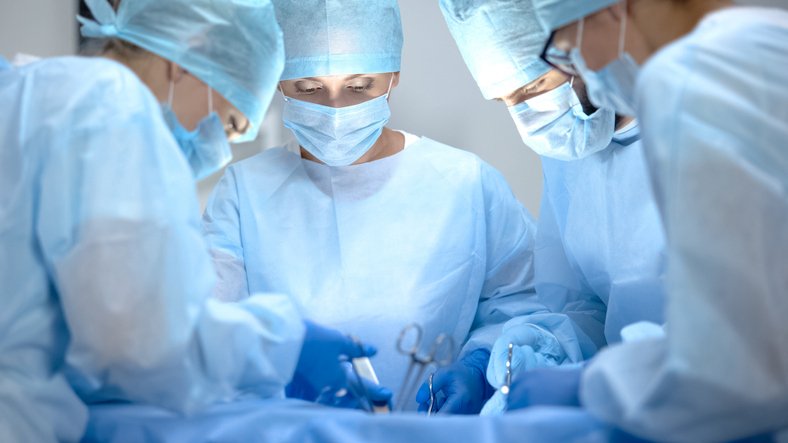
In the operating room, no two patients are identical. Every human body carries subtle differences that define how a surgeon approaches a procedure. For generations, surgeons have adapted to those differences by modifying a patient’s anatomy to fit an available medical implant that came in one of a few standard sizes. That approach was better than nothing, but it never truly solved the problem of fit, comfort, and long-term outcomes and performance. We are now seeing a moment in medicine when that paradigm is shifting in a fundamental way.
Advances in imaging technology such as CT and MRI, combined with powerful computer modeling and digital design tools, have created a path to devices designed around the patient, not the other way around. What once was a one-size-fits-most approach has given way to what the field calls ‘patient-matched’ technology. This involves capturing an individual’s unique anatomical data and translating it into a physical device that aligns precisely with that person’s body. When these bespoke devices are used in surgery, they can produce a level of anatomical concordance that was previously out of reach.
The implications are profound. A device that respects a patient’s own anatomy can restore function more naturally, reduce intraoperative adjustments, time and risk, and potentially shorten recovery times. Surgeons report that patient-matched guides, tools, and implants can streamline complex procedures. They spend less time making compromises in the operating room and more time executing a plan that was crafted around the patient’s specific needs.
The rise of this technology has not occurred overnight. It represents the convergence of multiple advances in medical imaging, digital design, manufacturing, and data collaboration. It is not a simple concept. Behind every matched implant or tool lies a sequence of decisions made by clinicians, engineers, and software tools working together to interpret and act on anatomical information. A device that fits within a patient’s individualized design parameters only comes about through careful planning and rigorous quality standards. True teamwork.
Patient-matched devices are not simply ‘custom’ pieces made for one surgery. They are produced within validated design frameworks that allow variability within safe and effective bounds. Regulatory definitions clarify that these devices are manufactured with repeatable processes that can be verified and reproduced. That means they are both personalized and reliable, bridging the gap between mass production and bespoke craftsmanship.
This shift toward individualized devices reflects a broader transformation in medicine. We are moving from a world where the ‘average’ body was the central reference point to one where individual anatomy is the star of the show. This evolution mirrors the wider personalization trend in healthcare, from targeted therapies in oncology to digital twins used to model individual patient outcomes. Across the health system, the principle is the same: better outcomes come from understanding and responding to the unique aspects of each patient.
Critics may worry that patient-matched devices add complexity or cost, but evidence and clinical experience suggest otherwise. A preplanned surgery with anatomically fitting implants, made from the patient’s own imaging, make the cases go faster and reduce revision risks. Surgical guides that match a patient’s anatomy reduce guesswork and may shorten the time a patient remains under anesthesia. Whether in orthopedics, dental surgery, or craniofacial reconstruction, the promise of better precision is also the promise of better care.
The evolution of patient-matched medical devices represents more than just innovation in manufacturing and design. It marks a shift in clinical philosophy. Instead of shaping patients to fit implants, clinicians and device developers are harnessing technology to shape treatments around the individual. There is still work to be done, including continued refinement of regulatory frameworks and broader clinician education, but the direction is clear. Personalized device technology is not a niche within medicine. It is becoming a standard of care that honors the individuality of every patient.
Photo: Motortion, Getty Images
Nancy Hairston is President and CEO of MedCAD, a medical technology company built on an innovative approach to the design and production of patient-matched medical devices. Harnessing precise imaging, surgical experience, and proprietary biomedical engineering technologies, MedCAD creates personalized, patient-matched medical devices and surgical plans for cranial defects, oral surgery, CMF trauma and reconstruction surgical procedures. The approach is 100% patient-customized, with every implant and every procedure planned and manufactured in-house in cooperation with a patient’s attending surgical team. By minimizing surgical complexity and procedure time, MedCAD technology enables superior patient outcomes throughout intervention, rehabilitation, and recovery.
This post appears through the MedCity Influencers program. Anyone can publish their perspective on business and innovation in healthcare on MedCity News through MedCity Influencers. Click here to find out how.
