
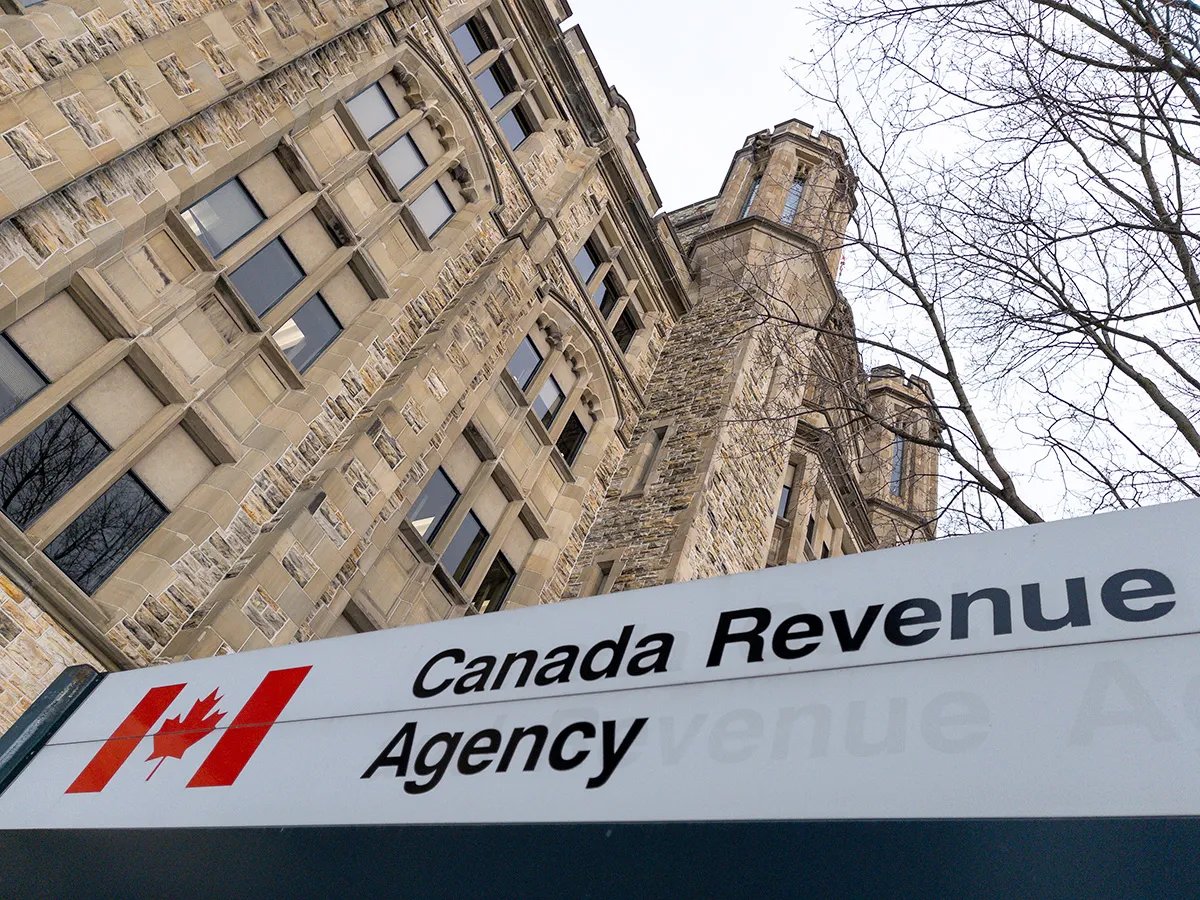
The Canada Revenue Agency (CRA) recorded the highest level of complaints in the past three years in the fiscal year 2025-2026, with many service users receiving information that was incomplete, inaccurate, or unclear.
According to an annual report from the Office of the Taxpayers’ Ombudsperson (OTO), which looks at the activities of the OTO for the past year, the number of complaints about the CRA surged by 27 per cent year-over-year, with taxpayers experiencing persistent difficulties with processing delays, reaching an agent, average wait times and the Service Feedback Program, among other frustrations.
The total number of complaints received was 3,558, compared to 2,796 in 2024-2025.
The report also outlined the top five areas of concern. “The most prominent areas of concern that we heard about from complainants involved the information provided by contact centre agents,” the report reads. “Many taxpayers who succeeded in reaching the CRA reported receiving information that was incomplete, inaccurate, or unclear.”
It adds that others were “unable to access assistance due to excessive wait times or difficulties entering the call queue.”
This is not the first time that CRA contact centres have come under fire. In October 2025, the Auditor General of Canada released a report on the quality of service provided by contact centres. It found that the CRA’s responses to auditors’ questions about individual taxes (as opposed to benefits or business taxes) were accurate only 17 per cent of the time.
This report also noted that “only 9 per cent of the total performance evaluation score of an agent was based on accuracy and completeness, whereas 45 per cent was tied to schedule adherence and call handling time.”
Schedule adherence refers to how closely an agent followed their preset schedule, including logging in and out of their computer and notifying their supervisor if calls delayed their breaks.
On wait times, the new report notes that the CRA has a policy to redirect callers to its automated services when these exceed 30 minutes on average. From April 1, 2024, to March 31, 2025, the CRA redirected approximately 8.6 million calls.
One anonymous service user who complained to the OTO said: “I keep calling the CRA’s main inquiry line but the message I get is that all agents are helping other callers and I can only use the automated FAQ service.”
The damning assessment comes several months after finance minister François-Philippe Champagne asked the CRA to put into effect a 100-day plan to strengthen service, improve access and reduce delays back in September 2025.
When the CRA announced the plan, it revealed that from June 30 to July 4, 2025, it only answered 35 per cent of unique callers, according to the latest OTO report.
Among the other top concerns were delays in processing income tax and benefit returns that exceeded the CRA’s published service standards. The report noted: “A major contributing factor was that the CRA was taking up to 50 weeks to process complex T1 adjustments, well above its service standard of 20 weeks.”
Earlier this month, the taxpayers’ ombudsperson, François Boileau, initiated an examination into delays for taxpayers making complex changes to their income tax returns (such as multiple years’ worth of returns, bankruptcies, and deceased taxpayer returns).
There were also allegations from taxpayers that the CRA did not adequately consider their individual circumstances when taking collection actions, while others indicated that they did not receive responses from the CRA’s Service Feedback Program within its published service standards.
Also among the top five areas of concern were issues with accessing CRA accounts. Complainants expressed frustration that it was difficult to regain access to accounts containing vital tax documents and correspondence after being locked out.
The report comes as numbers released by the Treasury Board of Canada Secretariat show that the CRA shed 3,725 workers over the past year — a factor that has been addressed by the OTO. The report recommends that the CRA more rapidly introduce automation of tasks to combat job cuts.
“The federal government wants to spend less on its operations to invest more in people and businesses. Therefore, the CRA needs to fast-track automation to not only deliver cost savings, but also ensure it is reducing delays to deliver the service taxpayers expect,” it says.
Prime Minister Mark Carney’s government released its first budget last November, saying the federal public service would see “a decline of about 40,000” jobs by the end of the 2028-29 fiscal year.
Meanwhile, Boileau said in a statement accompanying the latest report: “For many taxpayers, their interactions with the Canada Revenue Agency (CRA) are not optional: they are necessary, serious and often urgent. When service falls short, the repercussions are clear.”
National Post has contacted CRA for comment.
Our website is the place for the latest breaking news, exclusive scoops, longreads and provocative commentary. Please bookmark nationalpost.com and sign up for our daily newsletter, Posted, here.
