
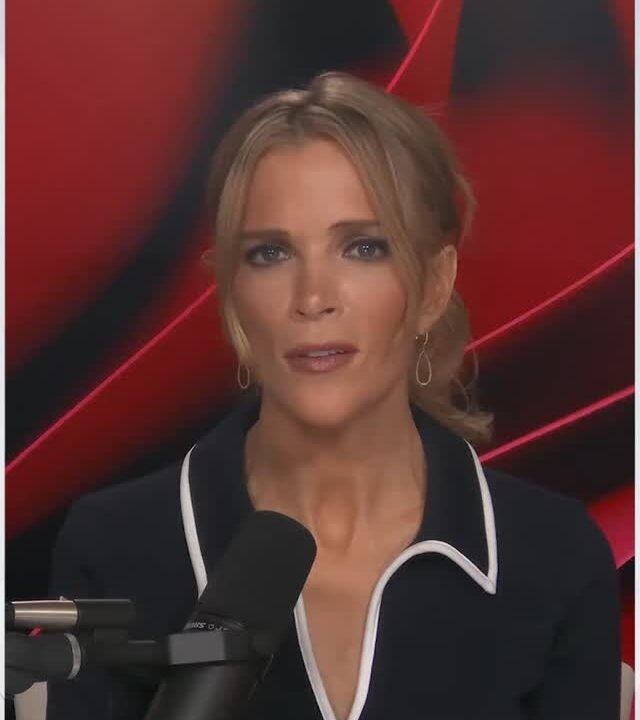
Megyn Kelly’s Instagram post from Thursday made two arguments in one breath. The first connected Tucker Carlson to a pointed characterization of Kamala Harris. The second offered a behavioral note aimed at people on both sides of the political divide.
The post is connected to The Megyn Kelly Show on SiriusXM. It referenced Carlson’s refusal to vote for Harris in 2024. Kelly put the word “idiot” in quotes, attributing the sentiment to Carlson’s voting position rather than framing it as her own standalone verdict. That’s a meaningful distinction in political commentary. Attribution lets a commentator put a charged word on the record while signaling that the origin lies elsewhere.
The second half of the post is harder to categorize. Kelly argued that making Trump the center of one’s life is a mistake – and she aimed that argument at both his supporters and his critics. That’s a less common move in cable-adjacent media. Audiences there tend to be sorted by political identity. Addressing both sides simultaneously, with the same message, is a way of stepping outside the usual framework.
Whether that message landed equally with both groups is harder to gauge from a single engagement number. The post drew over 7,400 likes on Instagram, a solid response for text-only political commentary. The people engaging are likely already in Kelly’s orbit. The dual-audience framing was probably absorbed, primarily, by one of those two audiences rather than both at once.
Kelly has been a central figure in political media for more than a decade. She spent years at Fox News and became one of the most-watched anchors in cable news. She left the network in 2017 and later relaunched her media presence on SiriusXM. The Megyn Kelly Show is her primary platform. Her Instagram functions as an extension of that ecosystem: a daily stream of arguments and clips for audiences outside the subscription tier.
Tucker Carlson‘s views on Kamala Harris have been part of his public record for some time. He was active in right-leaning media throughout the 2024 election cycle and made statements about multiple candidates. Kelly’s reference to his voting position appears to be grounded in something he said publicly. Her post doesn’t name a specific interview or moment.
The “idiot” attribution is the part of this post that will travel. It’s short, direct, and carries the kind of friction that moves in political media. The Trump-centric-life argument is more layered. It doesn’t compress easily into a headline or a screenshot. That asymmetry is worth noting. Political media rewards blunt language. More reflective arguments about identity and autonomy tend to circulate in slower, longer formats – if they circulate at all.
There’s a structural tension in the post worth identifying. Kelly is advising audiences not to let a political figure consume their sense of self. She’s making that argument from a platform built, in part, on sustained public interest in that same political figure. The tension doesn’t undercut the point. It does raise a fair question about context.
Kelly’s career has put her outside the expected lane for political commentators on more than one occasion. She’s praised and criticized figures across party lines. This post fits that pattern. It uses a conservative media figure’s position to critique a Democratic candidate, then pivots to address conservative audiences with a caution they may not have anticipated.
The Megyn Kelly Show continues on SiriusXM.
