
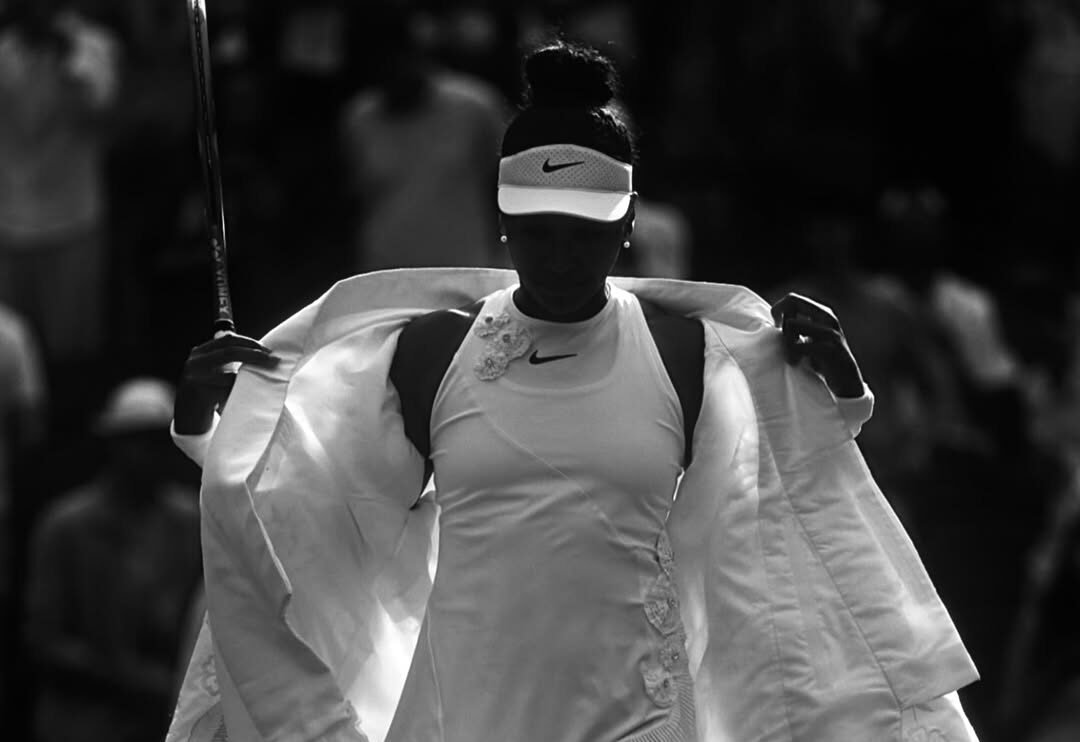
Naomi Osaka posted “Hachi 八” on Instagram this week and the tennis world went into full puzzle mode. Two characters. One number. Nothing else.
For the non-Japanese speakers out there, “hachi” means eight. That’s the entire post – the word, its kanji symbol, and a lot of open space around it. And it’s already driving the conversation.
Osaka has always operated on her own frequency. Four Grand Slam titles, including two US Opens and two Australian Opens. She lit the Olympic cauldron at the Tokyo Games. She wore masks at the 2020 US Open to honor victims of racial injustice. That moment brought real social weight into the middle of a major. She stepped back from tournaments in 2021 for her mental health. That decision kicked off a global conversation about athlete burnout. Sports culture is still working through it. Off the court, she’s never needed a formal announcement to make a statement. She just does it.
So two characters on Instagram? That’s more than enough to spin up a full speculation machine.
The big theory right now is an August return. Osaka has navigated injuries and extended breaks over the past few years. “Eight” maps cleanly to the eighth month. The WTA summer hard-court swing heats up in August, with major stops in Toronto and Cincinnati building toward the US Open. A return at that stage of the season would make real sense. “Hachi” could be her way of dropping a quiet, bilingual hint – entirely on her own terms.
The other major guess is a WTA ranking target. During her healthiest stretches on tour, Osaka was a consistent top-10 player. Getting back to world number eight would be a strong comeback statement. It’s ambitious. It’s also not impossible. And it lines up with the kind of goal-setting she’s shown throughout her career.
The personal angle is worth noting too. Eight is considered a lucky number in Japanese culture, connected to prosperity and good fortune. Osaka has Japanese and Haitian heritage. She’s spoken openly about how both inform her identity. A birthday, an anniversary, or some private milestone – any of those could fit.
What’s also cool about this moment is how naturally bilingual it is. Osaka grew up in the US, holds Japanese nationality, and has spoken about her Haitian roots. Using Japanese in a public post is just her being herself. That’s a different kind of move than the average athlete announcement. It lands differently.
That layered, intentional style is part of what makes Osaka one of the more interesting athletes to follow right now. She’s navigated real conversations about identity, mental health, and athlete activism. She’s also still one of the best tennis players on the planet. That sometimes gets buried. The mix of four Grand Slam titles and genuine cultural weight is rare.
Close to 100,000 likes on a two-word post with zero visual content attached is a real signal. The investment in her story is clearly still there.
The tennis world is watching and waiting. Osaka hasn’t added context yet. She’ll break it down on her own schedule. For now, “hachi” is doing exactly what a good hint should do.
