
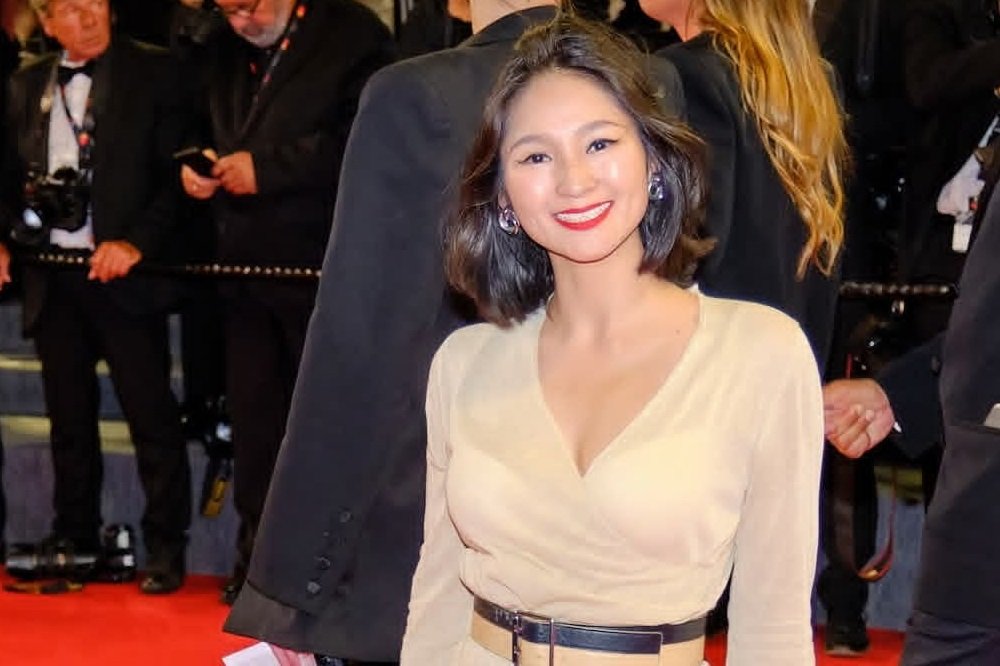
– The festival director explains how the event brings outstanding contemporary European films to Mongolian audiences while also offering professional training programmes
The European Film Festival in Mongolia, organised by the Delegation of the European Union to Mongolia in partnership with Cineuropa, has grown into one of Mongolia’s most significant international cultural events. By bringing outstanding contemporary European films to national audiences, while also offering professional training programmes, educational initiatives and opportunities for dialogue with filmmakers, the festival serves as an important bridge strengthening cultural ties between Europe and Mongolia through cinema. Festival director Nyamdulam Tsedevsuren tells us more.
Cineuropa: The European Film Festival has become one of the most highly anticipated cultural events in Ulaanbaatar. What makes this year’s edition special?
Nyamdulam Tsedevsuren: This year, we are particularly proud of the quality, diversity and scope of the programme. In collaboration with Cineuropa, we carefully selected films that represent the richness of contemporary European cinema works that have received critical acclaim and audience recognition across Europe, yet have not always had the opportunity to reach wider international distribution. Films such as Peacock, Family Therapy, Je’vida, How to Make a Killing, Gloria! and Loss of Balance showcase the diversity of European storytelling, artistic expression and cultural perspectives.
How are Mongolian audiences responding to European cinema, and what opportunities do you see for the future?
Several important initiatives laid the foundation for the appreciation of European cinema in Mongolia. Festivals such as the Ulaanbaatar International Film Festival and the Golden Ger International Short Film Festival have played a crucial role in introducing European films to local audiences and cultivating a community of cinephiles. In recent years, interest in European cinema has grown significantly. Mongolia has a young, educated and culturally curious audience. Many people regularly attend cinemas and are interested in exploring international films beyond mainstream commercial releases. In many ways, I believe Mongolian cinema’s narrative sensibility and visual language share closer affinities with European cinematic traditions than with dominant global commercial models. Furthermore, long-standing cultural connections through music, opera, visual arts and literature create a strong foundation that makes European works particularly accessible and meaningful to Mongolian audiences. More broadly, Mongolia and the Central Asian region occupy a unique geopolitical and cultural position between China and Russia. As a result, Europe is often viewed as an important cultural and intellectual partner.
Digital communication has also become an essential part of our audience engagement strategy. We produced dedicated promotional videos for each festival film and distributed them across social-media platforms, particularly Facebook and Instagram. This allowed us to reach not only festival attendees, but also thousands of additional viewers who may never have encountered these films otherwise.
The audience response has exceeded our expectations. Since opening day, screenings have been filled to capacity. As a result, we are now confident about expanding the festival at future editions, increasing venue capacity and reaching even larger audiences. We also plan to deepen our collaborations with film schools and educational institutions, offering a broader range of professional training opportunities.
Beyond film screenings, what programmes have enriched this year’s festival?
In collaboration with Cineuropa, we launched Euro CineLab, a one-month online short-film development programme adapted from a successful model previously implemented in Central America [see the interview]. Emerging Mongolian filmmakers participated in the programme, developing eight short-film projects that will be presented during the festival’s closing event. We are also hosting a five-day intensive acting workshop led by Belgian-US filmmaker and acting mentor Jessica Woodworth. The programme provides Mongolian actors with a valuable opportunity to explore European acting methodologies and new approaches to character development.
How important is culture as a tool of diplomacy in today’s world?
Film allows us to engage with complex topics such as social issues, values, history, identity and creativity in ways that are both accessible and emotionally resonant. We are especially pleased that this year’s festival has fostered strong media partnerships as well as meaningful institutional collaborations, further strengthening cultural relations between the European Union and Mongolia.
I would like to express my sincere gratitude to all participating embassies, cultural institutes, partner organisations, members of the festival team, filmmakers, volunteers and audiences who have contributed to making this festival possible. Their support, dedication and enthusiasm have transformed the European Film Festival into a vibrant celebration of cinema, culture and human connection.
