
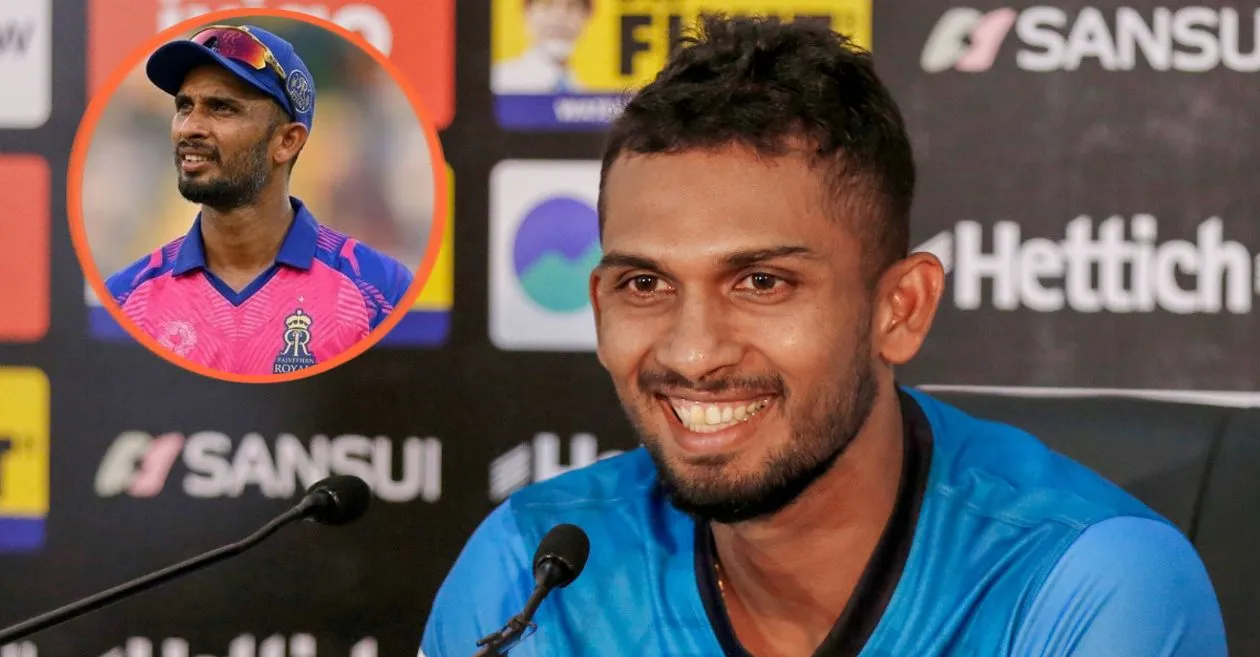
In a decisive move aimed at protecting the integrity of domestic contracts, the Pakistan Cricket Board (PCB) has officially imposed a one-year participation ban on Sri Lankan veteran Dasun Shanaka. The sanction follows Shanaka’s abrupt departure from the Pakistan Super League (PSL) to join the Rajasthan Royals in the Indian Premier League (IPL) as an injury replacement for Sam Curran.
While the allure of the IPL remains a powerful magnet for global talent, the PCB’s ruling marks a significant escalation in how boards manage player loyalty and contractual fulfillment. By penalizing a high-profile international captain, the PCB is sending a clear message: the PSL is no longer a secondary option to be discarded when a more lucrative offer emerges.
PCB cracks down on league hopping: Dasun Shanaka handed one-year PSL ban
The investigation into Shanaka’s departure began shortly after March 21, when the all-rounder informed Lahore Qalandars of his unavailability. The PCB’s subsequent review concluded that the withdrawal lacked a valid medical or personal justification recognized under the standard player agreement. According to the board, switching leagues for a better financial package does not constitute a force majeure or a legitimate exit clause.
“The findings indicated that the withdrawal was made on grounds not recognized within the existing contractual framework,” the PCB stated on Monday. This firm stance has not been limited to Shanaka; Zimbabwean pacer Blessing Muzarabani has also been slapped with a two-year ban for a similar breach. While Muzarabani’s agent, Rob Humphries, maintains that no formal contract was ever signed, the PCB appears intent on setting a precedent that verbal commitments and draft selections carry legal weight.
For the Lahore Qalandars, the loss is significant. Replacing a player of Shanaka’s caliber mid-season disrupts team chemistry and tactical planning. By enforcing this ban, the PCB aims to provide franchises with a level of security, ensuring that the players they draft remain available for the duration of the tournament.
A growing trend of IPL migration and its implications for franchise stability & global scheduling
The Shanaka Case is not an isolated incident but rather a symptom of the widening financial gap in T20 cricket. We are witnessing an era of IPL migration, where players like Corbin Bosch, Spencer Johnson, and Muzarabani are increasingly willing to risk sanctions for the exposure and revenue of the Indian circuit.
This trend poses three major threats to the global game:
- Franchise instability: When marquee players exit days before a tournament, it devalues the league’s brand and leaves teams scrambling for sub-optimal replacements.
- Scheduling fridlock: With the IPL 2026 season seeing Rajasthan Royals thrive, currently sitting third with a +0.599 net run rate, the dominance of the April-May window is undeniable. However, as the PSL and other leagues overlap, the ‘tug-of-war’ for talent is reaching a breaking point.
- Contractual Devaluation: If players can break contracts without consequence, the entire scouting and drafting system becomes a gamble for owners.
As the T20 landscape becomes more crowded, the clash between the PSL and IPL highlights the desperate need for a unified global cricket calendar. Until then, the PCB’s aggressive legal posture may be the only tool left to ensure that league hopping doesn’t become the new industry standard.
