
– Alex Camilleri’s feel-good drama follows a Maltese woman frustrated at being stuck in the country’s past while slowly learning to love tradition
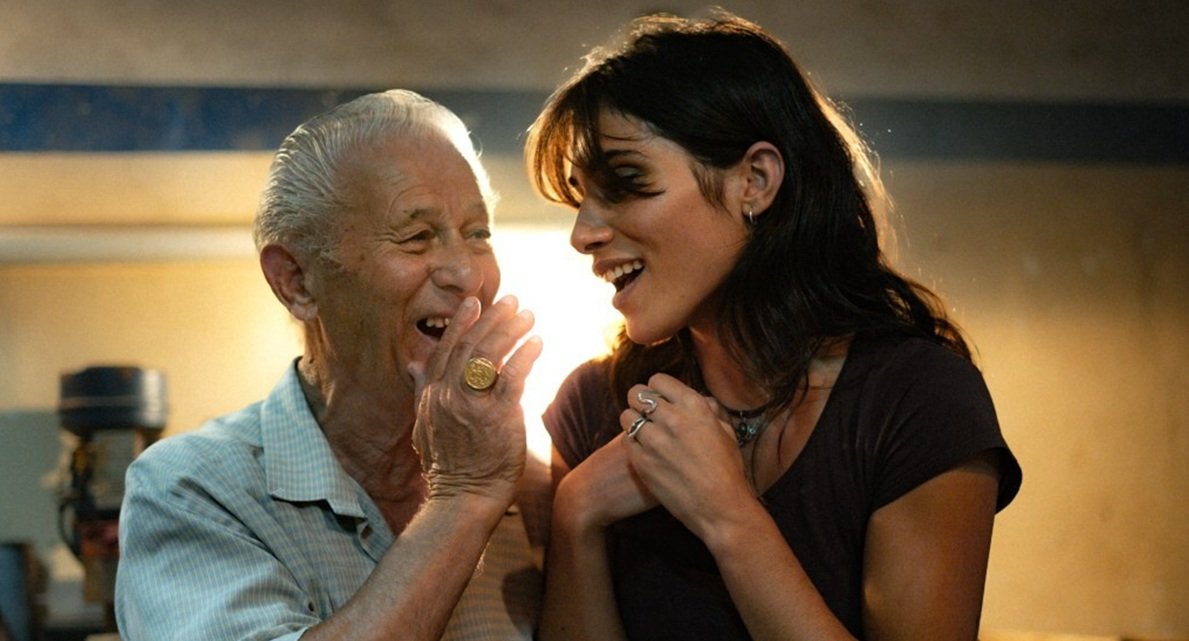
Nenu Borg and Michela Farrugia in Żejtune
“I think the good ones get married, and the smart ones get out of here,” says Mar, a young woman facing down the remnants of her life in Malta, planning to sell everything her late mother owned and get the hell out of there. Yet, in Maltese-US filmmaker Alex Camilleri’s Żejtune, she’s in for a ride that will take her all around the country, searching for three plots of land using a cryptic piece of paper that became her inheritance. After a world premiere earlier this year at the Göteborg Film Festival, Żejtune has had its North American premiere in Tribeca’s International Narrative Competition, where it picked up the Best Screenplay Award (Camilleri wrote, directed and edited the movie).
Camilleri’s first feature, Luzzu, premiered at Sundance 2021, in the World Cinema Dramatic Competition, and became Malta’s submission for the Oscars. In keeping with the spirit of that film, he reunites with leads Michela Farrugia (Mar) and Frida Cauchi (playing her mother’s sister, Annette), but he also works with a scene-stealing non-professional actor: Nenu Borg (Nenu), a sprightly real-life performer of the Maltese folk music known as għana. As we learn, this type of music is a combination of instrumentals and a strained-throat style of singing, drawing from various prose and poetic traditions to create different styles.
It’s għana that the sassy and charismatic – albeit a bit politically incorrect – Nenu, aghast at Mar’s dismissal of Malta as antiquated and lacking opportunities, introduces to the sceptical woman. Agreeing to take her on a tour in search of the plots of land, Nenu slowly draws Mar into appreciating traditions that she never understood, as the latter also learns how to partake in għana performances. Together, the dynamic duo sets off on a pseudo-road trip, squished into her mother’s small, pink flower-shop delivery car.
Farrugia carries the character of Mar, whose personality is visually emphasised by her majority-black baggy clothing, with confidence and a characteristic half-scowl, half-smirk on her face. But as she moves into Malta’s countryside, the wind begins blowing through her hair, with her clothes rippling in turn – and her concrete façade is slowly cracked. Even the dry, tan-brown landscape feels so lush, with the sheer earthiness of the place making the mise-en-scène feel alive. The film is, of course, made most colourful by its Maltese music, which is accompanied by a pensive plucked instrumental score, predominantly featuring harp, by Jon Natchez.
As a tourist bus rolls around the pristine countryside, carrying raucous visitors who have little regard for the land, the two are increasingly confronted by how change is overtaking the country, and largely not for good. An emphasis on tradition may mean no official contracts and a trust in oral tradition – which Nenu believes in – yet the world as they know it is being penetrated by globalising forces that pay no heed to the maintenance of culture. However, Żejtune makes it clear that preservation doesn’t mean a staunch refusal to change. Rather, it means honouring a history that you might not understand or that you even know is held within you – and appreciating it as you would something you’ve known your whole life.
Żejtune is a Maltese-German-Qatari production staged by Pellikola, Noruz Films and Solari Productions, in co-production with One Two Films and ZDF/Das kleine Fernsehspiel, in collaboration with Arte, and in association with Films Boutique and Nizza Films. Films Boutique also holds the rights to the film’s world sales.
