
The Spanish Congress has taken another step towards granting Spanish citizenship to Sahrawi people from Western Sahara, with a close vote clearing the way for thousands from the former colony to gain Spanish passports.
The committee tasked with debating the bill introduced nearly two and a half years ago by far-left junior coalition partner Sumar to grant Spanish citizenship to the Sahrawi people approved its report on Tuesday with the votes of the Socialists (PSOE) Sumar and other left-wing groups, the abstention of centre-right Catalan separatists Junts, and the rejection of right-wing Popular Party (PP) and Vox.
At a time when immigration and Spanish citizenship is a highly charged political issue, the vote was close: 19 to 17, with one abstention.
READ ALSO: Why Spain’s Western Sahara U-turn is a risky move with no guarantees
Spanish daily El País called the vote as a “decisive step toward settling Spain’s historic debt to the Sahrawi people,” describing how Spain “abandoned [it] without fulfilling its obligations as a colonial power during the final days of the Franco regime and the dawn of the transition to democracy.”
The vote was a turnaround from a previous vote in March of last year, when Sumar’s proposal was opposed by its government coalition partner, the PSOE.
The proposal was then blocked for over a year until Foreign Minister José Manuel Albares declared in Congress that he was “fully in favour” of granting citizenship to Sahrawis.
El País notes that some sources attribute the PSOE’s change of heart to Congress President Francina Armengol, who took in two Sahrawi children.
Others give credit to the campaigning work of Sumar representative Tesh Sidi, the Sahrawi-origin MP who was born in the Tindouf camps.
The agreed legal text provides for the granting of Spanish nationality by naturalisation to all those born in the former Spanish colony before September 1977, even if they do not have legal residence in Spain.
The date initially set in Sumar’s proposal was February 26th, 1976.
However, it was then pushed back by nearly 18 months because it was in the summer of 1977 that the deadline expired for Sahrawis to opt for Spanish citizenship – a right they were unable to exercise in practice, as their territory was already occupied by Morocco and Mauritania.
The law will give an estimated 70,000 Sahrawis who lived in the Spanish colony to become Spanish citizens, as well as their first-degree blood relatives, who will have five years to apply for Spanish nationality.
According to estimates by the initiative’s proponents, this provision could increase the number of potential beneficiaries to between 100,000 and 200,000 people.
Sponsors of the bill hope that it can go to the final plenary session before August, scheduled for the 23rd.
Despite the close vote in the committee, the government is confident that it will be approved by lawmakers.
The Sahrawi people are the indigenous population of Western Sahara, a territory contested since Spain’s withdrawal in the 1970s.
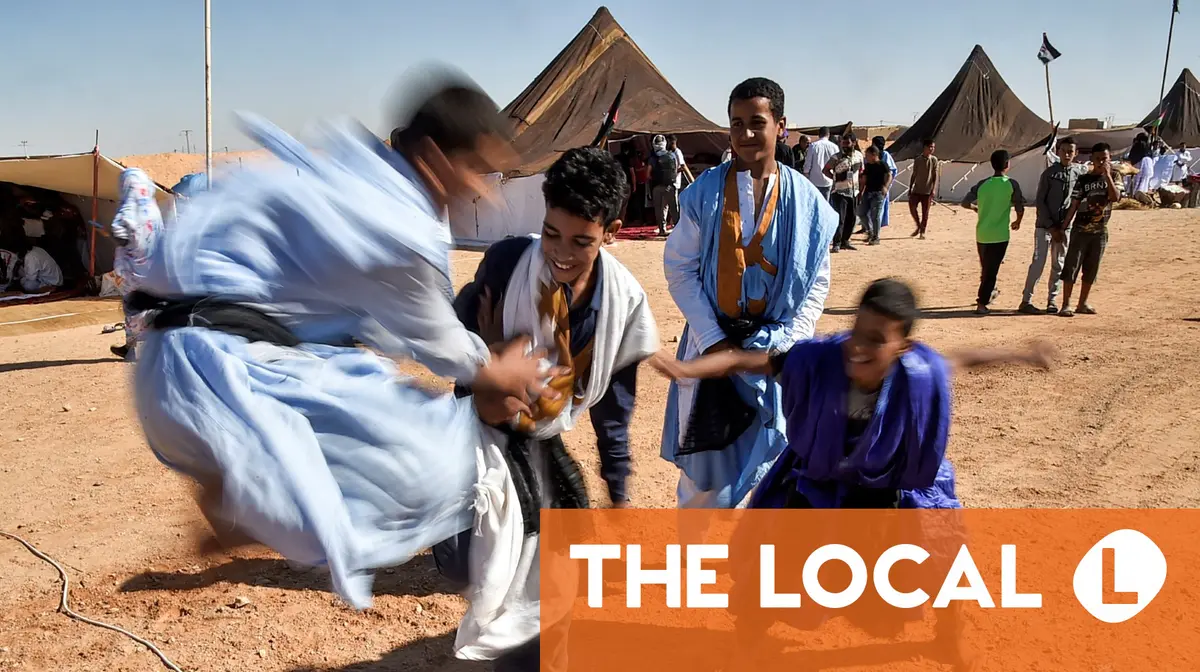
They are divided between those living under Moroccan occupation and approximately 173,000 refugees residing in isolated camps in Algeria.
International organisations describe the Sahrawi situation as a protracted crisis requiring self-determination. Human Rights Watch and Amnesty International have documented human rights abuses in Moroccan-controlled Western Sahara, while the UNHCR oversees the humanitarian camps in Algeria.
While the United Nations classifies the region as a non-self-governing territory awaiting decolonisation, a prolonged political stalemate and broken ceasefires have prevented self-determination.
Consequently, many Sahrawis remain entirely dependent on international humanitarian aid while pursuing an enduring struggle for statehood.
