
– The latest round of the funding programme is supporting projects from 39 countries, spanning development, production and post-production across fiction, documentary, series and experimental works
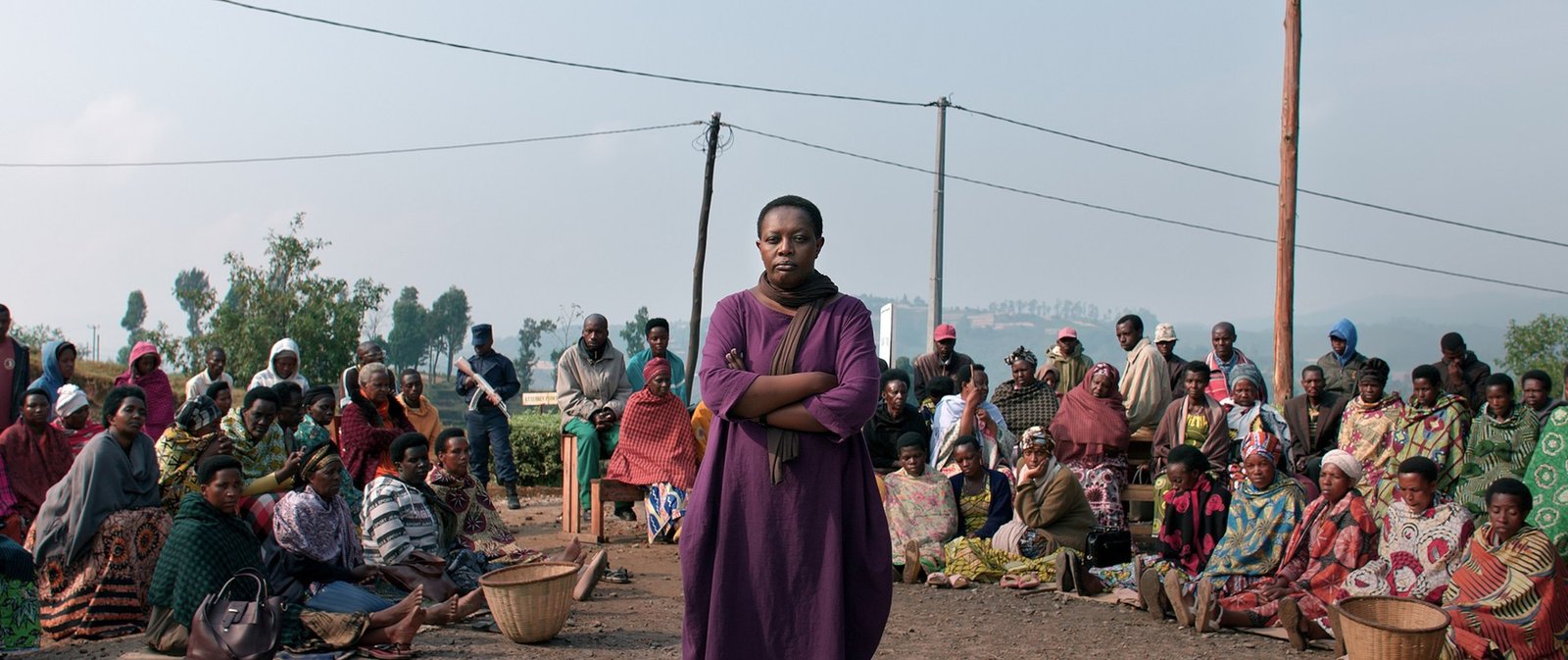
Ben’Imana by Marie-Clémentine Dusabejambo
The Doha Film Institute (DFI) has announced the recipients of its 2026 spring grants cycle, awarding support to 48 projects from 39 countries. Covering development, production and post-production, the latest selection once again underscores the programme’s commitment to emerging filmmakers worldwide while continuing to champion established voices from the MENA region.
The biannual initiative, one of the region’s longest-running film-support schemes, includes projects by Qatari and Qatar-based filmmakers alongside productions from across the Middle East, North Africa and the wider international landscape. This year’s selection features projects originating from Algeria, Djibouti, Egypt, Iraq, Jordan, Lebanon, Morocco, Palestine, Qatar, Saudi Arabia, Somalia, Sudan, Syria, Tunisia and the UAE, as well as titles from Canada, Chile, Cuba, France, Peru, the Philippines, Rwanda, South Africa, Spain, Thailand and the UK.
Among the feature-length fiction projects in development is Bayt Rabab, the new film by Lebanese filmmaker Pedro Hasrouny, produced as a Lebanese-Estonian-Qatari co-production. Set in southern Lebanon, it follows a woman who returns home with her children after fleeing into exile, determined to reclaim her life despite the ongoing risks. Also selected is About Love & September Laws, the latest feature by Mohamed Kordofani, whose Goodbye Julia was rewarded in Cannes’ Un Certain Regard. The Sudanese-French-German-Swedish-Saudi-Qatari co-production is set in Sudan in 1983, as the introduction of Sharia law interweaves the lives of a doctor, a translator and a US reporter against a backdrop of political upheaval. Completing the feature-length fiction development slate is When Blood Calls by Egyptian filmmaker Fady Gamal Soliman, in which two half-brothers competing for their father’s approval on a crocodile-hunting expedition are forced to confront their family history following his sudden death.
The documentary-development selection includes Searching for Nidal by Lebanese director Fatima Joumaa, Land Keepers by Iyad Abou Gaida and Darine Hotait, I’ll Be Right Back by Andrés Khamis Giacoman and Francisca Khamis Giacoman, and Before Our Diaspora by Theo Panagopoulos, each exploring themes of displacement, memory, ecology and archival preservation across Palestine, Lebanon and the wider diaspora.
Among the projects awarded production support, Somali filmmaker Mohammed Sheikh received backing for the rural drama Accept My Plea for Burial. Moroccan directors Zahoua Raji and Ayoub Layoussifi secured support for The Tanjawi, which deals with redemption, while Sudanese filmmaker Mohammed Alomda was selected with Blue Card, following a refugee rebuilding his life in Egypt after the outbreak of war in Sudan. Lebanese director Jessy Moussallem also joins the slate with Faux Bijoux, portraying a family trapped in spiralling debt and moral compromise.
The documentary-production selection features When Time Dissolves into Silence by Moroccan filmmaker Faiçal Benaghrou, Testahbis by Syrian director Waleed Al Madani, Disappeared by Anas Zawahri, Solo by Tunisian filmmaker Amine Boukhris, +477 Night by Palestinian director Aisha Adly and Portrait of A by Jordanian filmmaker Rand Beiruty, alongside a broad slate of short fiction, documentary, web-series and experimental projects.
The recipients of the post-production awards include Conversation with the Sea, the latest feature by Palestinian filmmaker Muayad Alayan, as well as documentary projects Wilderness of Dreams by Mona Lotfy, You Don’t Die Two Times by Ager Oueslati and Getting Colder by Koutaiba Al-Janabi.
Beyond the MENA region, the DFI also selected several international post-production titles, including Pakistani filmmaker Seemab Gul‘s Haven of Hope, Strawberries by Moroccan director Laïla Marrakchi, 9 Temples to Heaven by Thai filmmaker Sompot Chidgasornpongse, The Rift by Spanish director Àlex Lora Cercós and Ben’Imana by Rwandan filmmaker Marie-Clémentine Dusabejambo. The documentary slate features Magnetic Letters by Demie Dangla, Az Zeeb by Rafael Guendelman Hales, The Lions of Canaan by Liam O’Hare and Lama Al-Arian, and The Hummingbird Paints Fragrant Songs by Èlia Gasull Balada and Matteo Norzi, while the experimental section includes A Girl and a Gun by Arya Amber Lalloo and Where Life Holds by Aude Fourel.
Commenting on the announcement, DFI CEO Fatma Hassan Alremaihi said: “In a world that is constantly changing, culture remains one of our most powerful anchors – preserving our memories, shaping our identities and connecting us across generations. More than ever, we need authentic stories that reflect the complexity of human experiences, and which safeguard the histories, perspectives and voices that might otherwise be forgotten. The filmmakers supported through our 2026 spring grants represent the storytellers of tomorrow. Their work carries the responsibility and the opportunity to document our present, challenge perceptions and create a lasting cinematic record for future generations.”
The complete slate of projects can be found here.
