
– From 23 April-3 May, audiences will be able to enjoy around 100 films across the various sections — from the latest and most avant-garde cinema to revivals of classic titles
How to Divorce During the War by Andrius Blaževičius
The Las Palmas de Gran Canaria International Film Festival is celebrating its 25th edition in style from 23 April-3 May. Throughout the festival, audiences will be able to enjoy its various sections, ranging from classic films (Faust by FW Murnau opens the festival) to the very latest releases.
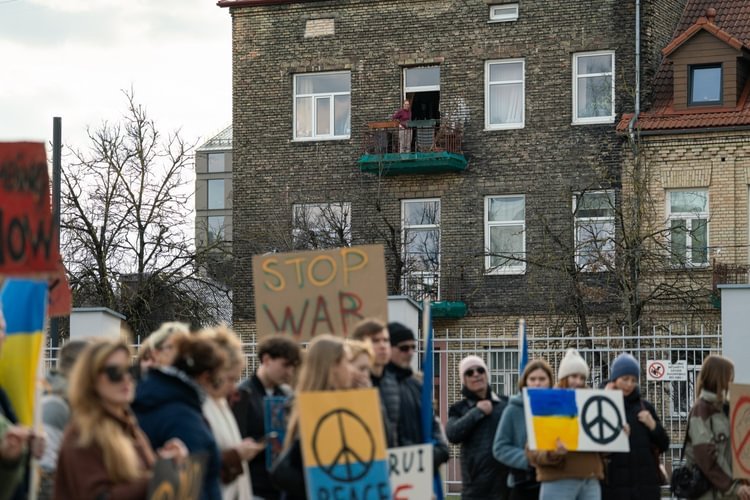
Ten features will compete in the Official Selection. These include European co-productions such as How to Divorce During the War, the third movie directed by Lithuanian filmmaker Andrius Blaževičius, which screened at Sundance and explores human relationships during the war in Ukraine; and Everything Else Is Noise, a Mexican-German-Canadian co-production shown at the Toronto International Film Festival and the Berlinale by Nicolás Pereda and exploring themes such as the fragility of prestige and the power of friendship. Also competing are Trial of Hein by German director Kai Stäenicke, about a man who returns to his home village on a remote island after years away only to find that no one recognises him and he is mistaken for an impostor; and 17 (North Macedonia/Serbia/Slovenia), the debut feature by Kosara Mitic, which explores the trauma of sexual violence.

Completing this section are Songs of the Forgotten Trees by Indian director Anuparna Roy; Lucky Lu by Lloyd Lee Choi (United States/Canada); Bosque arriba en la montaña by Argentine director Sofía Bordenave; Nina Roza by Canadian filmmaker Geneviève Dulude-De Celles; and the North American productions If I Go Will They Miss Me by Walter Thompson-Hernandez, and Remake by Ross McElwee.
Meanwhile, the Panorama España competition section includes: Aro berria, directed by Irati Gorostidi, which received a special mention in the New Directors section at the last San Sebastián film festival; La carn by Joan Porcel, a film set in a digital universe where emotional connection is forbidden, which won two awards in Málaga’s Zonazine section; the documentary Sucia, by Bárbara Mestanza, which portrays the painful process women endure when reporting abuse and confronting their abusers, winner of the Audience Award in Málaga; Iván & Hadoum, a story of forbidden love by Ian de la Rosa that won two awards in Málaga and the Teddy Award from Berlin; and The Dashed Lines by Anxos Fazáns love and friendship, co-written with Ian de la Rosa, exploring love and friendship.
The festival’s third competitive section, Canarias Cinema, showcases the progress made by Canarian filmmakers alongside the festival in the capital of Gran Canaria, featuring both short films and feature-length films. Among the feature films, Tenerife-born director and producer José Ángel Alayón presents Dance of the Living, set against the landscapes of Fuerteventura and the tradition of Canarian wrestling, framing a family story. Arima León has also made a name for himself at the festival in the capital of Gran Canaria, with half a dozen short films: Love on a Tightrope is his feature-length debut, a drama exploring the experience of being gay in the 1960s; Krakatoa is an immersive film by artist Carlos Casas that was recently screened in Rotterdam (read more); and Why I Don’t Write Anything by Isabel Fernánde is a documentary about the life of writer Carmen Laforet.
(Translated from Spanish)
