
When Cannes announced that there would be a special screening of Steven Soderbergh’s new documentary, John Lennon: The Final Interview , I knew I had to attend. I am a huge fan of both The Beatles and John Lennon, as I’m sure much of the world still is. Last year, I watched One to One: John & Yoko and absolutely adored it, so I was eager for another chance to revisit Lennon’s story on screen.
As I took my seat for the screening, Steven Soderbergh was in attendance alongside the likes of Peter Jackson, which gave the event an even greater sense of occasion. Soderbergh himself was too shy to speak, so Cannes delegate Thierry Frémaux instead read a speech written by Sean Lennon about how beautiful he believed the film to be, which only heightened my anticipation.
John Lennon: The Final Interview does exactly what it promises. It follows John Lennon’s final day and the last interview he gave to Laurie Kaye, Dave Sholin and Ron Hummel. Conducted alongside his wife, Yoko Ono, the interview centres around the promotion of their collaborative album Double Fantasy. The voice recordings of John and Yoko are genuinely beautiful. The subjects they discuss, from their first meeting to the life they built together, reveal just how joyful their relationship was and how deeply they cared for one another.
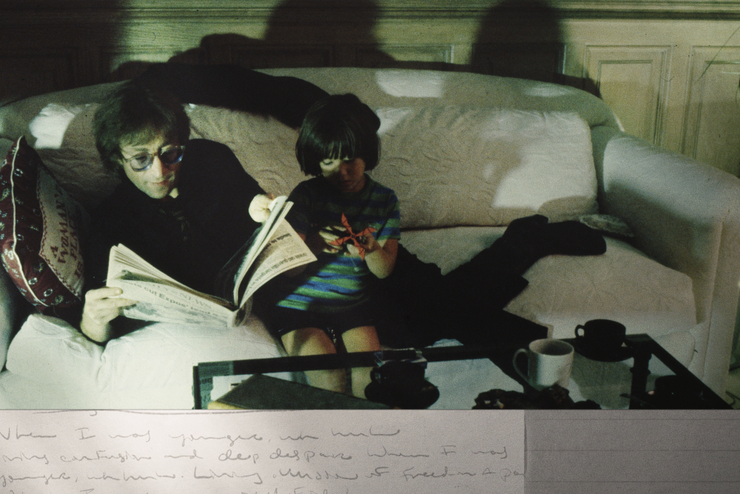
Much of this audio is paired with stunning archival photographs and footage spanning their lives and careers, from The Beatles’ years and early romance to their later years together. I particularly appreciated hearing John speak about the meaning behind his music, his views on masculinity, and how he believed being a man could also mean staying home, raising your child and embracing fatherhood.
Everything about the film had the potential to be perfect: the music, the archival footage, the atmosphere and the overwhelming sense of love running throughout it. However, one major issue significantly let it down for me, which was the clear use of AI-generated imagery woven into the documentary. Random visuals, including swirling shapes transforming into roses, jagged reflections, lightning strikes and even cavemen, felt incredibly out of place and, at times, distracting.
In a film centred on John Lennon, someone so closely connected to art and authenticity, the decision felt particularly strange. By the end credits, when I noticed that one of the film’s supporters was Meta, the creative direction made a little more sense. I understand that constructing a feature-length documentary around an audio interview alone cannot have been easy, but the archival images and footage of John throughout his life would have been more than enough to carry the film emotionally.
Overall, John Lennon: The Final Interview is still a deeply moving and worthwhile watch for any John Lennon or Beatles fan. It captures the warmth, humour and love between John and Yoko beautifully, even if the unnecessary use of AI imagery ultimately prevents it from reaching its full potential.
★★★
In cinemas soon / John Lennon / Dir: Steven Soderbergh / Distributor TBC
Discover more from
Subscribe to get the latest posts sent to your email.
