
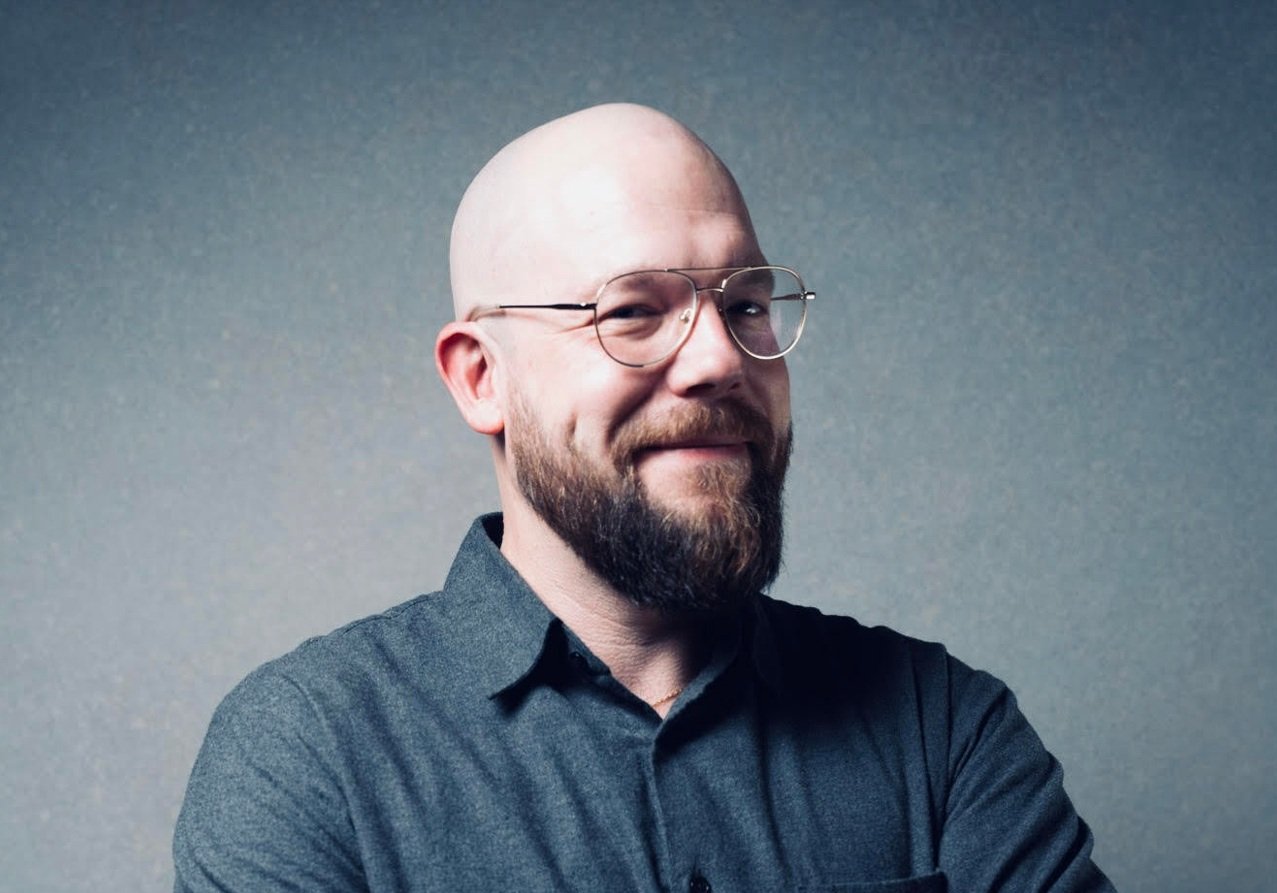
“We decided to put more energy into the places where we can genuinely help, and that usually means earlier in the process”
– The industry strand head talks about the changes to KVIFF Industry, and the festival’s ambition to cultivate a broader ecosystem for filmmakers and producers across the region
(© KVIFF Industry Days)
The Karlovy Vary International Film Festival’s industry programme is expanding and becoming more clearly structured this year, with a stronger focus on early-stage development, Central European cooperation, book adaptations, casting, series and alternative financing models. Hugo Rosák, head of the Film Industry Office at KVIFF, discusses the thinking behind the changes and the festival’s ambition to support projects at the moment when such intervention can have the greatest impact.
Cineuropa: This year, the KVIFF industry programme seems broader and more clearly divided into individual sections. What led you to rethink the programme?
Hugo Rosák: The classic system of presenting Eastern European films as works in progress no longer necessarily helps those projects as much as it used to. By that stage, sales companies often already know about the movies. So, we decided to put more energy into the places where we can genuinely help, and that usually means earlier in the process.
That is why we created a new section focused on projects at an earlier stage. We are working on it with several film institutions, and the aim is to support filmmakers and producers while they are still shaping the project. At the same time, we wanted to focus more strongly on Central Europe. For Karlovy Vary, this is a natural space. It is a region we should cultivate more actively, not only by giving individual directors or producers opportunities, but also by helping them meet and discover collaborations.
So the aim is also to build a stronger regional network?
Exactly. We want producers from the region to meet more often and see one another as potential partners. Sometimes, people still think too much within national borders or automatically look towards the same, familiar partners. But there is a lot of potential within Central Europe itself.
That is also why we are working with the Frankfurt Book Fair. We want to present books from Central and Eastern Europe that have strong potential for adaptation. This region is still underrepresented. We all talk about IP and literary adaptations, but there is still little systematic work being done with books and literary rights here.
We are also responding to the fact that the industry is changing. Producers today need to work with different partners, broadcasters, platforms and private investors, and we want to create an environment where those conversations can happen.
Is the initiative with the Frankfurt Book Fair a one-off project as the Czech Republic is the official Guest of Honour at the 2026 edition of the fair, or is it something that could continue?
We would very much like it to continue. The idea is not to copy the Berlinale’s Books at Berlinale, which presents books from all over the world; rather, we are thinking specifically about Central and Eastern Europe. The ambition is to make it regular, so that people get used to it. The system here is not yet very developed, and we would like to help create a more transparent environment for adaptation rights.
You are also opening up the programme more towards television and series. How does that fit into the strategy?
We started experimenting with that last year, when we presented some series projects. This year, we are building on it in cooperation with Oneplay, but it is not meant to be an exclusive partnership with one platform. The point is to create a space where Czech Television, other broadcasters, platforms and regional producers can also be involved.
The audiovisual landscape is changing, and producers need to understand how these models work. There are examples in Europe where public-service broadcasters and private streamers cooperate, but in Central Europe, this is still not deeply entrenched. So, we are trying to normalise those conversations.
KVIFF Talents has often been perceived as a space for emerging filmmakers. But this year, some selected names are already well established. How do you define the incubator’s international potential?
For us, it is about looking for distinctive, original ideas that might not otherwise get the chance they deserve. We want to accelerate their development and help prepare them so they can reach local financing and, later, move towards co-production, a festival career or broader international visibility.
These projects may come from filmmakers at different points in their careers. It is not only for absolute newcomers. Sometimes a filmmaker may already have work behind them, but they are entering a new phase or trying something formally or thematically different.
The important thing is that the support is not just participation in a workshop; we try to make it tailored. The filmmakers are with us for the whole year: they can go to a residency, work with mentors they choose themselves and receive support according to the needs of the project.
Are there any other new elements you are particularly pleased about?
One thing I am very happy about is our cooperation with Film Independent. During the festival, there will be a training programme for 14 Slovak and Czech producers, who will take part in the Global Media Makers residency organised by Film Independent.
With support from the US Department of State and the US embassies in Prague and Bratislava, the selected producers will take part in training focused on how to raise money from private sources, not only how to rely on grants and public funds. They will learn from how independent film works in the USA, where producers do not have access to public funding in the same way and have to think about films differently. For me, this is positive. It gives something back to the professional community by helping build capacity, knowledge and confidence among producers.
