
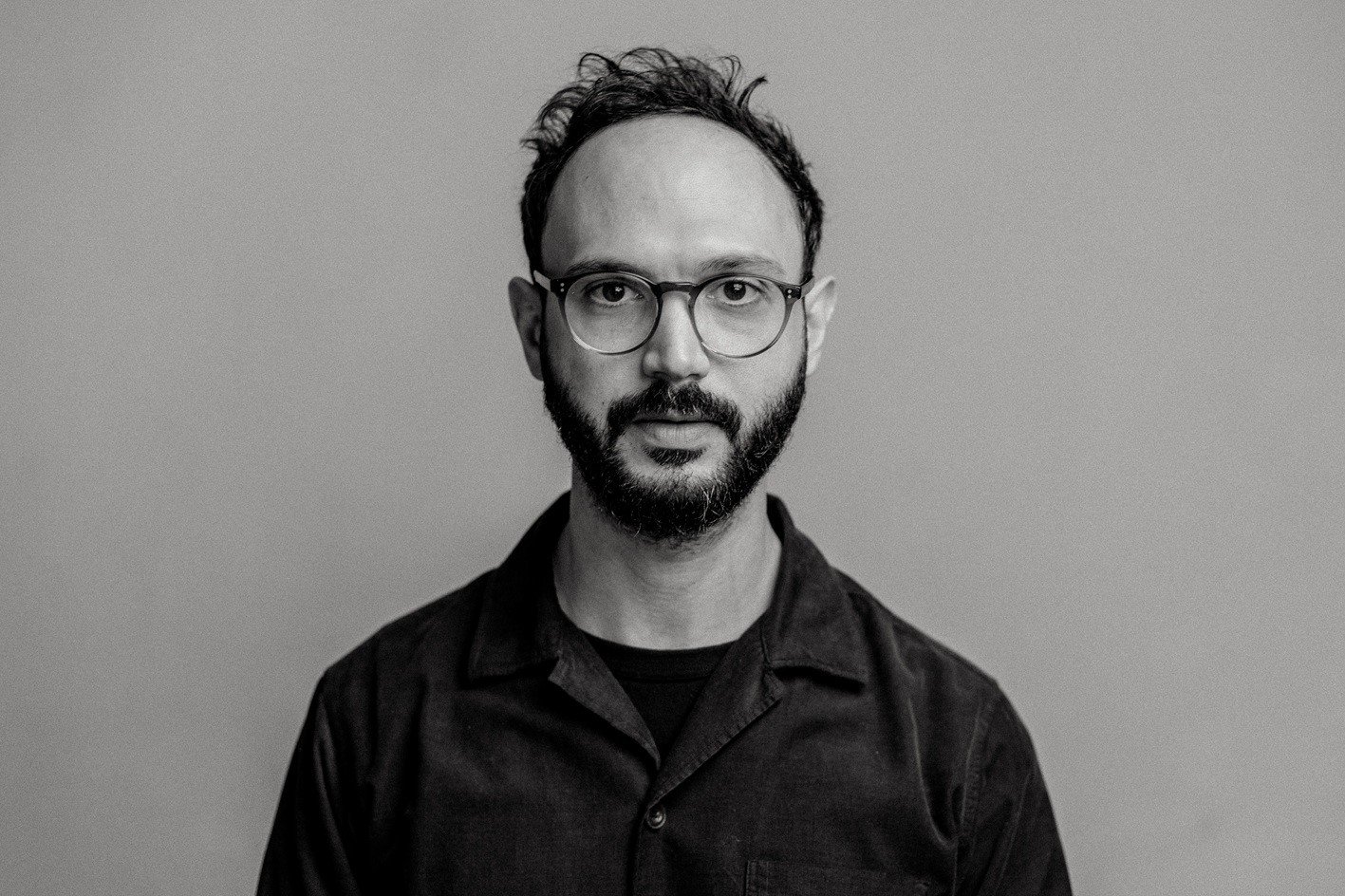
“You will find Malta’s highest form of artistic expression behind closed doors, in places like garages”
– The director shares the emotional impulses behind his sophomore feature, rooted in bringing traditions out from their hiding places and honouring the past in the present
(© Lisa Attard)
Alex Camilleri’s second feature, Żejtune, follows a young Maltese woman’s (Michela Farrugia) journey as she rediscovers a love for her home country through the folk-music tradition of għana (pronounced “ah-na”), guided by a spirited octogenarian named Nenu (acclaimed real-life għana singer Nenu Borg). After a world premiere at the Göteborg Film Festival, the film now makes its North American bow at Tribeca.
Cineuropa: You evoke such a warm, collective feeling in this film. What does crafting a community on screen mean for you?
Alex Camilleri: At the beginning of my work on this film, I was really looking for community. I feel like a lot of people, especially young people nowadays, are desperate for it. The encounter between Mar and Nenu [when they first perform għana together in a mechanic’s garage] seems to tap into something quite pressing that we’re feeling everywhere in the world. The scene is shorthand for the loss of so many touchpoints of solidarity, community and fraternity. The first time I went into a bar where these old guys were singing this music, they were excited to welcome me in, even without knowing me. It made me feel that if I could capture a little bit of that on screen, it would be such a beautiful thing to impart to the audience. Historically, Malta has had this welcoming and generous spirit, and I think it’s in the people.
Was there any pressure, self-imposed or otherwise, to represent the tradition of għana in a certain way?
There was some pressure, but perhaps not where you might expect it. The music has a bit of a bad reputation and has been pushed to the margins of society. It’s really quite subcultural and is practised a lot by the working class. Even though there’s a great recognition of the artistry in it, it’s really thought to be quite a “low” kind of practice. I took this on as a challenge. The pressure wasn’t to represent it faithfully – we are portraying it truthfully but also aspirationally. The mantra that I told my crew was, “Għana needs us.”
In another country, national music might be performed in an orchestra hall. In Malta, for some reason, to apprehend this music, you have to infiltrate it somehow – you will find the highest form of the country’s artistic expression behind closed doors, in places like garages. The joy of cinema is that I get to take people into these worlds that they otherwise may not be able to access.
How did you meet Nenu and decide to work with him?
In my first film, Luzzu, I believed early on that casting a non-professional actor would be key to unlocking the whole project. There’s a real technical aspect to the role that Nenu plays, involving singing, rhyming and the timbre of the voice. My casting started early on, but it was a nearly impossible role to cast. There were all of these technical elements, but then the person needed to be charismatic and have chemistry with the other lead – and agree to go on a crazy three-year journey with a stranger like me. It’s quite a thing to ask of someone who’s of an advanced age.
I met all the usual suspects, but no one had all of the elements. Eventually, we got in contact with the guitarists who appear in this film, and they said, “There was a guy like that, but he doesn’t sing any more – we’re not even sure if he’s still alive.” We learned, thankfully, that he was still around and was willing to meet. I was looking for a parking spot, and I kept passing this older man sitting on a park bench. He had this amazing white hair and was wearing a leather jacket. I thought, “I don’t know who this Nenu Borg is that I’m going to meet, but if he has just an ounce of that guy’s charisma, I’ll be okay.” When I went to meet him, lo and behold, he was the very man sitting on the bench outside. I was so happy that the charisma I saw from afar was matched by the humour and warmth up close.
In the film, there’s this tension between the so-called “old” and “new”: oral tradition and analogue technology as sacred, versus formal contracts and shiny new things representing a modern way of life. How do you see this dichotomy?
Malta is rife with these contradictions and is a beguiling place for those reasons. These vestiges of an old culture exist, and there’s such a delicious drama to explore when you find the contact points between the two. Malta is a young country – it’s only been a country since the 1960s – but it’s a very old culture. You put your finger on something I hadn’t quite articulated to myself, but I think the film is really about this [tension]. We seem to be in quite a rapacious modernisation where we’re throwing things away before we realise what we have. Mar’s journey is about coming to some kind of awareness of appreciating things before they’re gone – whether that’s a musical tradition or a patch of trees in the countryside. Old people see the difference between the old and the new, but a young person might not know the charms, warmth, physicality and tactile nature of what that kind of existence offers.
