

Key Takeaways
- Bozigian’s business hit $100,000 in sales, driven by TikTok, during its launch month.
- Weeks before its flagship store opening, the brand found itself facing a lawsuit.
- Bozigian harnessed the power of social media — and sales have been better than ever.
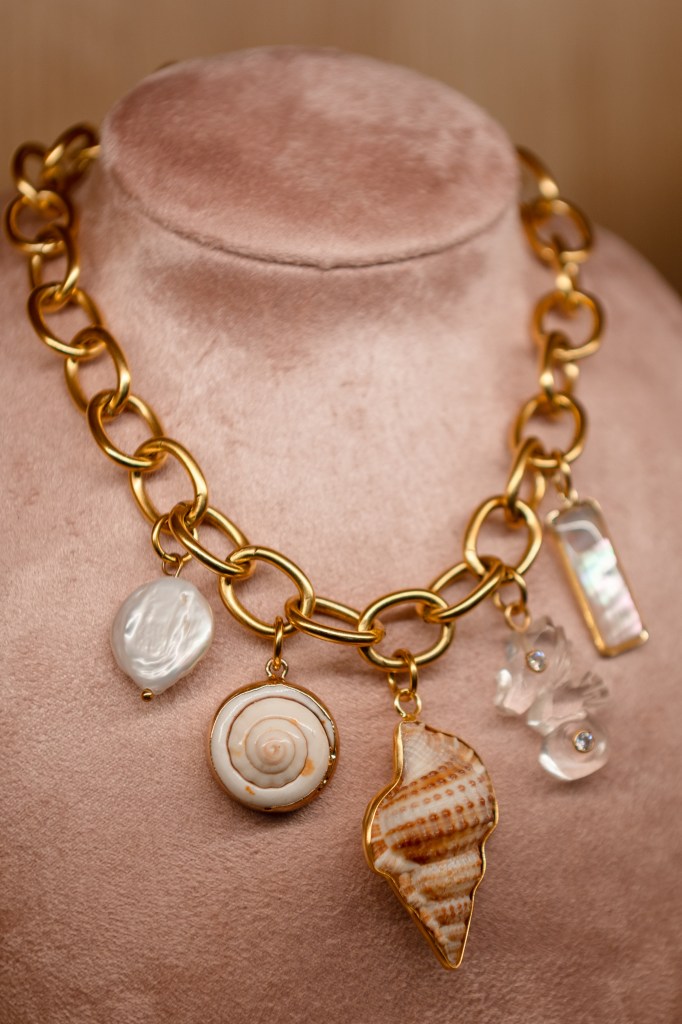
Kelly Bozigian and her husband, Colt Bozigian, were living out an entrepreneur’s dream. The handmade jewelry company Kelly founded in 2024 — then called Coastal Caviar — had taken social media by storm with its charm necklaces and bracelets. After a spotlight from influencer Alix Earle, the business enjoyed “pretty instant success” during its first month live — $100,000 in sales from its reach on TikTok alone.
The couple continued growing Coastal Caviar. But as the Bozigians prepared to open a flagship store in Charleston, South Carolina earlier this year, disaster struck.
The day they picked up the keys for their new store, Kelly received an email: Lagos, a jewelry brand founded in 1977, had filed a lawsuit against her business, alleging trademark infringement over use of the word “caviar.” Lagos obtained a federal registration for its “caviar” line of jewelry in 1992. What she felt in that moment, Kelly says, “panic” and “complete devastation.”
“The following couple months were the hardest of my life,” Kelly recalls. “I thought this was going to be the end of the brand. Because of social media and the brand awareness we’d generated, I felt like a name change would completely derail the business, and there would be no way to recover.”
Business “panic” in the wake of a lawsuit and three-year lease
The potential conflict over the name had actually come up when the Bozigians’ business filed for “caviar” in 2024. But at the time, Kelly says, their legal counsel said there was no evidence of customer confusion — and advised them to keep growing.
Now, as the Bozigians were learning of the lawsuit, they had just signed a three-year lease for the Charleston store.
Initially, the couple resolved to fight the lawsuit and go to trial. But about two months into their legal battle, the Bozigians realized their business couldn’t take the financial hit. “ That’s when the light went off in my head,” Kelly says. “We have to use this [challenge] as a content engine — as a way to strengthen the loyalty of the community that we’ve built.”
Choosing a name for the rebrand: Club Coastal
In the span of six weeks, the couple went from announcing the lawsuit to announcing a rebrand. Keen to maintain the brand’s coastal roots — Kelly had gotten the idea for her business at the beach, scrolling on her phone in search of a necklace for an upcoming vacation — they opted to rename the company “Club Coastal.”
“We started thinking about what word could replace Caviar,” Kelly explains, “and we realized it was really our community that built the brand, and our story is unique in that sense that really it was everybody on social media rallying behind us, sharing their necklaces and what they made, and we realized it was this club we’ve created online that’s the real heart of the brand.”
The decision, and the couple’s transparency around it, translated to immediate results on social media. Club Coastal’s TikTok following jumped from 80,000 to nearly 125,000.
“We were just pumping out so much content around the lawsuit, the rebrand and also leaning into humor,” Kelly recalls. “Obviously this is a very serious situation. But we felt like, How can we get our audience engaged? They shop because of me and my husband. We’re the brand, and we couldn’t let that spark die.”
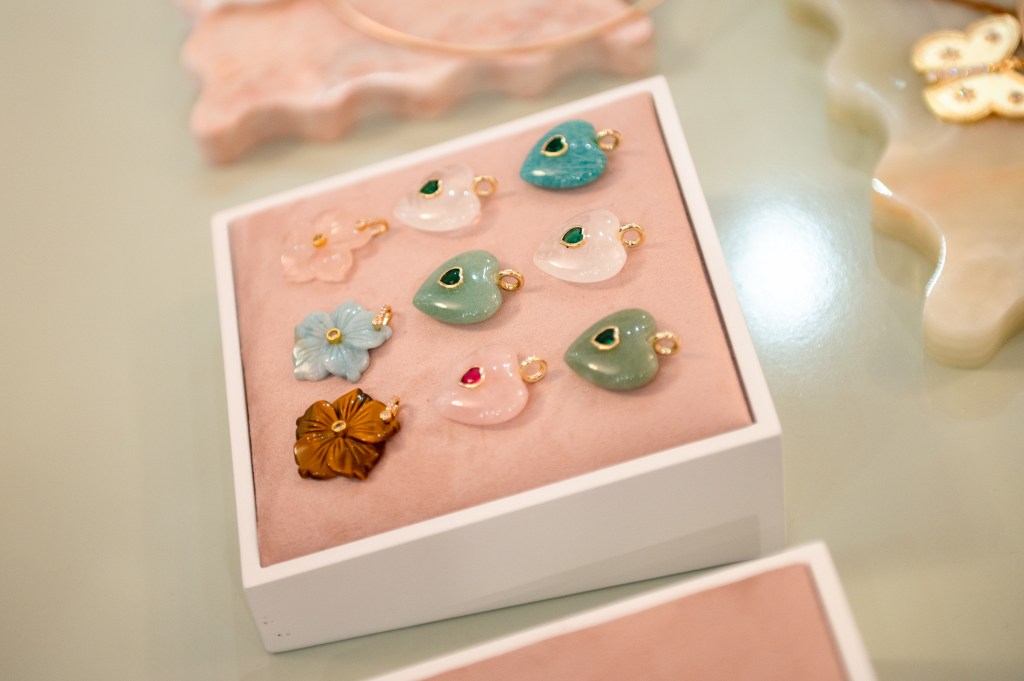
Club Coastal gave their followers on social media a look at the “very stressful” behind-the-scenes operations that went into pulling off a rebrand the week of a flagship store opening. From signage to bags and more, “basically everything needed an overhaul.” But, in the end, the timing paid off — as the catalyst for Club Coastal’s “biggest brand building moment yet,” Kelly says.
The Charleston grand opening took place on April 25 (caviar was served, a nod to the Bozigians’ sense of humor). Club Coastal saw a 114% sales increase in the six-week period between when it announced the lawsuit and rebrand, and on the day of the store’s opening, its daily sales broke a new record: $30,000 with a charm necklace sold every 70 seconds.
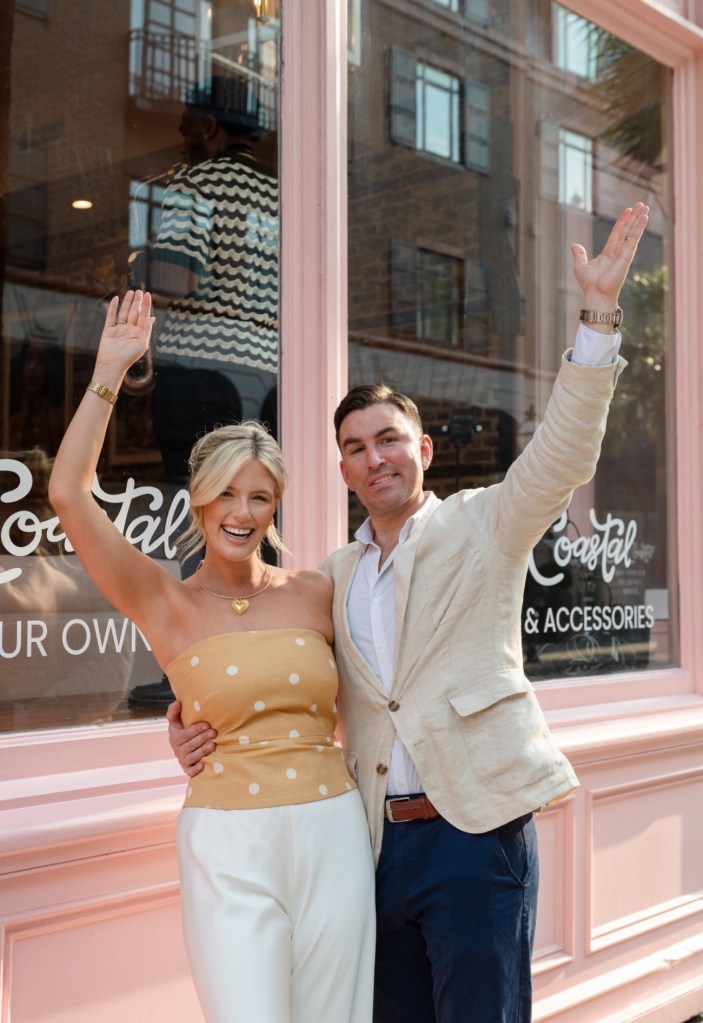
“ Now I have a completely different outlook on content in general,” Kelly says. “Anything good or bad that’s going on behind the scenes, there’s an opportunity to use it for content, to tell a unique story, to strengthen the community that you already have and acquire new customers.”
Using social media and storytelling to break sales records
As “anxiety-inducing” as the situation was, Kelly says the rebrand has also been a blessing in disguise. Club Coastal’s current sales are higher than ever before, and the Bozigians feel “really energized” about what’s next: packaging upgrades, a loungewear launch and eventually another store.
Even the lowest lows in business can have a silver lining — so long as founders stay ready to spin those negatives into a positive.
“Document everything because storytelling is probably one of the strongest marketing tools,” Kelly says. “We’ve found a great way to storytell on social media. A lot of the time it’s just propping up the phone and filming what’s going on. Honestly, sometimes bad things end up making the most interesting content. Use it to your advantage.”
Key Takeaways
- Bozigian’s business hit $100,000 in sales, driven by TikTok, during its launch month.
- Weeks before its flagship store opening, the brand found itself facing a lawsuit.
- Bozigian harnessed the power of social media — and sales have been better than ever.
Kelly Bozigian and her husband, Colt Bozigian, were living out an entrepreneur’s dream. The handmade jewelry company Kelly founded in 2024 — then called Coastal Caviar — had taken social media by storm with its charm necklaces and bracelets. After a spotlight from influencer Alix Earle, the business enjoyed “pretty instant success” during its first month live — $100,000 in sales from its reach on TikTok alone.

The couple continued growing Coastal Caviar. But as the Bozigians prepared to open a flagship store in Charleston, South Carolina earlier this year, disaster struck.
The day they picked up the keys for their new store, Kelly received an email: Lagos, a jewelry brand founded in 1977, had filed a lawsuit against her business, alleging trademark infringement over use of the word “caviar.” Lagos obtained a federal registration for its “caviar” line of jewelry in 1992. What she felt in that moment, Kelly says, “panic” and “complete devastation.”
