
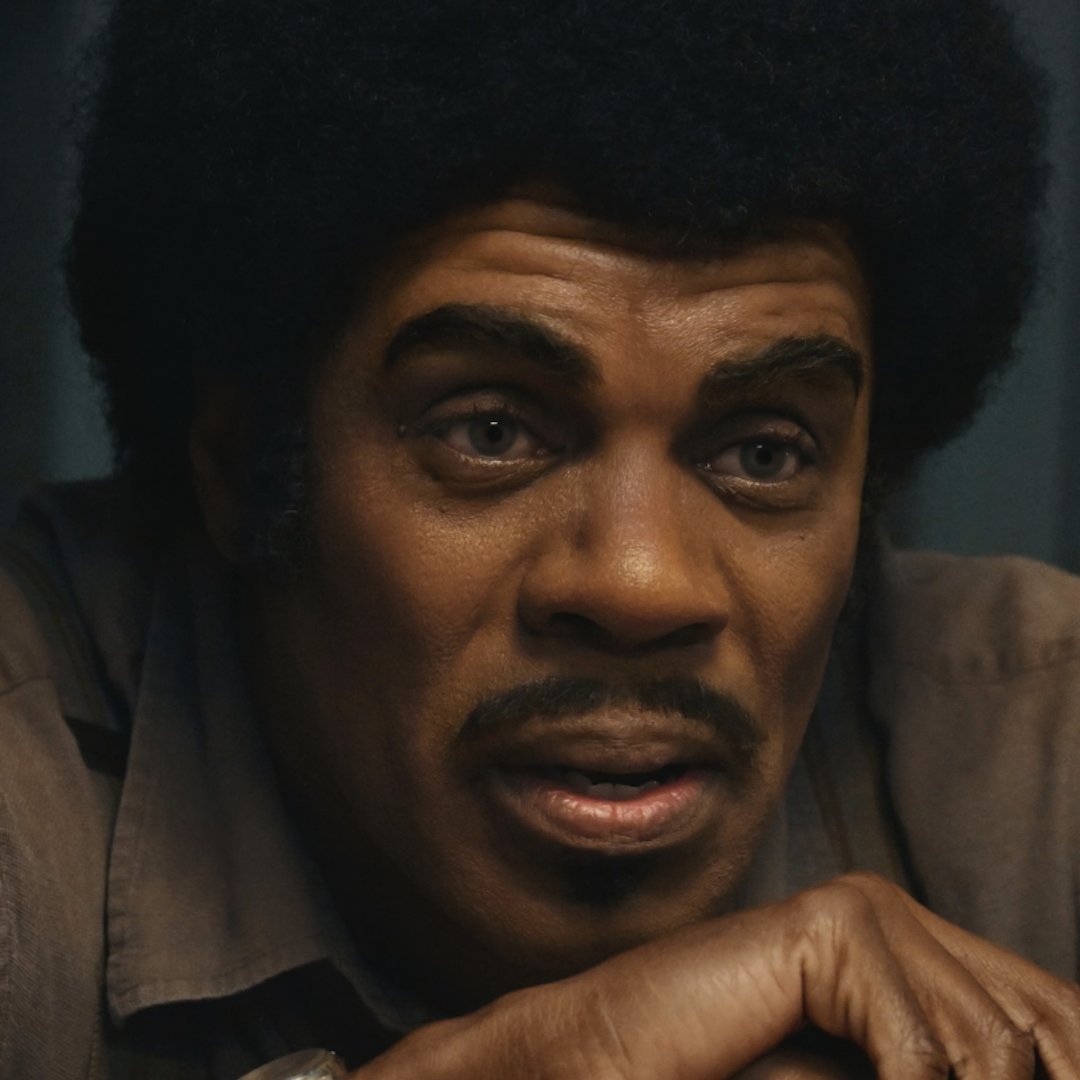
Colman Domingo pushed back against critics who say the upcoming Michael Jackson movie whitewashes the pop star’s legacy. The Emmy-winning actor addressed the controversy directly, defending the film’s approach.
The criticism centers on concerns that the biopic will gloss over Jackson’s legal troubles and the child abuse allegations that shadowed his later career. Some worry the movie will present a sanitized version of the King of Pop’s life.
Domingo responded to these concerns in remarks shared by Screentime on social media. He explained: “We center it on the makings of Michael. It’s an intimate portrait of who Michael is, through his eyes.”
The actor’s comments suggest the film takes Jackson’s perspective as its starting point. This approach could mean viewers see events through the entertainer’s own lens rather than from an outside viewpoint.
Making a Michael Jackson movie presents unique challenges. Jackson remains one of music’s biggest stars, but his legacy is complicated. The 2019 documentary “Leaving Neverland” brought fresh scrutiny to abuse allegations. HBO aired detailed accounts from two men who said Jackson molested them as children.
Jackson’s estate has consistently denied all allegations. They’ve called accusers liars and sued over documentaries. The estate controls Jackson’s image and music rights, giving them significant influence over any biographical project.
Domingo didn’t reveal specific plot details or how the movie handles controversial topics. His “intimate portrait” description suggests a character study rather than a broad career overview. The phrase “through his eyes” implies the film adopts Jackson’s viewpoint.
The actor has built a reputation for thoughtful dramatic work. He earned Emmy recognition for his role in “Euphoria” and starred in the acclaimed film “Ma Rainey’s Black Bottom.” His involvement suggests the Jackson project aims for serious artistic merit rather than a simple tribute.
Biopics about controversial figures often face this balancing act. Filmmakers must decide how much to include difficult material while still creating compelling entertainment. Some movies focus on specific time periods to avoid broader controversies.
Jackson’s musical genius is undisputed. Albums like “Thriller” and “Off the Wall” changed popular music forever. His dancing and performances set new standards for entertainers. Any movie has rich material to work with in terms of artistic achievement.
But the allegations can’t be ignored entirely. They became central to Jackson’s story, especially in his final years. How the movie addresses this reality will likely determine critical and public reception.
Domingo’s comments suggest the filmmakers chose to tell Jackson’s story from his perspective. This approach lets them explore his creative process and personal struggles without necessarily taking sides on legal matters.
The movie doesn’t have a confirmed release date yet. More details about the plot and approach will likely emerge as production continues. Domingo’s involvement as both actor and apparent advocate for the project’s vision suggests he believes strongly in the story they’re telling.
Critics will probably continue questioning the movie’s approach until they can see the finished product. The whitewashing debate reflects broader tensions about how to handle complicated cultural figures. Some want full accountability while others prefer focusing on artistic contributions.
Domingo’s defense indicates the creative team feels confident about their choices. They seem committed to their “intimate portrait” approach despite outside pressure. Whether audiences accept this vision remains to be seen when the movie eventually reaches theaters.
