
“Now more than ever, it is important to provide spaces for people to come together and celebrate as a community”
– The Barcelona film festival returns in November, and we spoke about its identity and the challenges facing independent cinema, among other topics
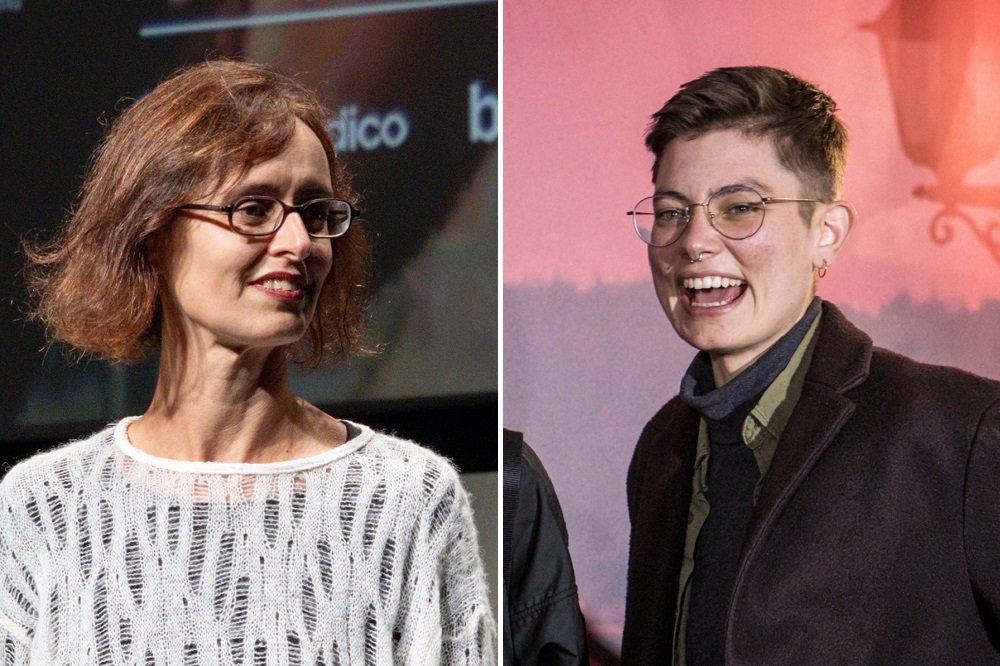
Cristina Riera and Mariona Borrull
From 13 to 23 November, L’Alternativa – Barcelona Independent Film Festival will hold its latest edition in Barcelona. To mark this year’s edition, we spoke with co-director Cristina Riera and programmer Mariona Borrull about the identity of L’Alternativa, the current challenges facing independent cinema, and the importance of continuing to create spaces where films, filmmakers and audiences can meet.
Cineuropa: After more than three decades, how do you see the evolution of L’Alternativa – Barcelona Independent Film Festival within the European independent film scene, and what are the main challenges today for a festival dedicated to the most daring auteur cinema?
Cristina Riera: Over the past 30 years, L’Alternativa has seen filmmakers who took their first steps at the festival — presenting their early short and feature films — go on to gain international recognition, and has witnessed the kind of cinema it has always championed gradually finding its place. In recent years, L’Alternativa has also placed greater emphasis on supporting projects still in development through the Cinema Pendent programme, so we can accompany them right from the start.
The main challenges will likely be continuing to discover emerging talent from around the world, serving as a welcoming and supportive platform for filmmakers with a personal, original, committed and independent vision, and engaging more and more with younger audiences.
L’Alternativa has always been a platform for discovering new voices and cinematic styles. What do you personally look for in a film to decide whether it truly captures the spirit of the festival?
Mariona Borrull: Above all, it must be relevant: it must either shed light on pressing social issues or give a platform to voices that are often overlooked. Secondly, we look for films that move away from the most conservative narrative formulas, that question the very forms of storytelling (we’re not fans of talking-head documentaries). Finally, and here we place our full trust in the subjectivity of a highly diverse programming team, we expect the authorial voice driving a film to be accountable to what is portrayed — not the other way round.
At a time when digital platforms and changing audience habits are transforming how we watch films, how can a film festival like L’Alternativa continue to create a collective experience and keep the dialogue between filmmakers and audiences alive?
CR: Now more than ever, it is important to provide spaces for people to come together and celebrate as a community. At L’Alternativa, we believe it is essential to create a space for dialogue between filmmakers and audiences. Around 100 filmmakers from all over the world come to present their films and take part in post-screening discussions, as well as in masterclasses and workshops. We see the film festival as a vibrant space where we can actively participate, learn from one another and broaden our perspectives on the world and cinema. And to celebrate being together, parties, concerts and more playful events are also important.
(Translated from Spanish)
