
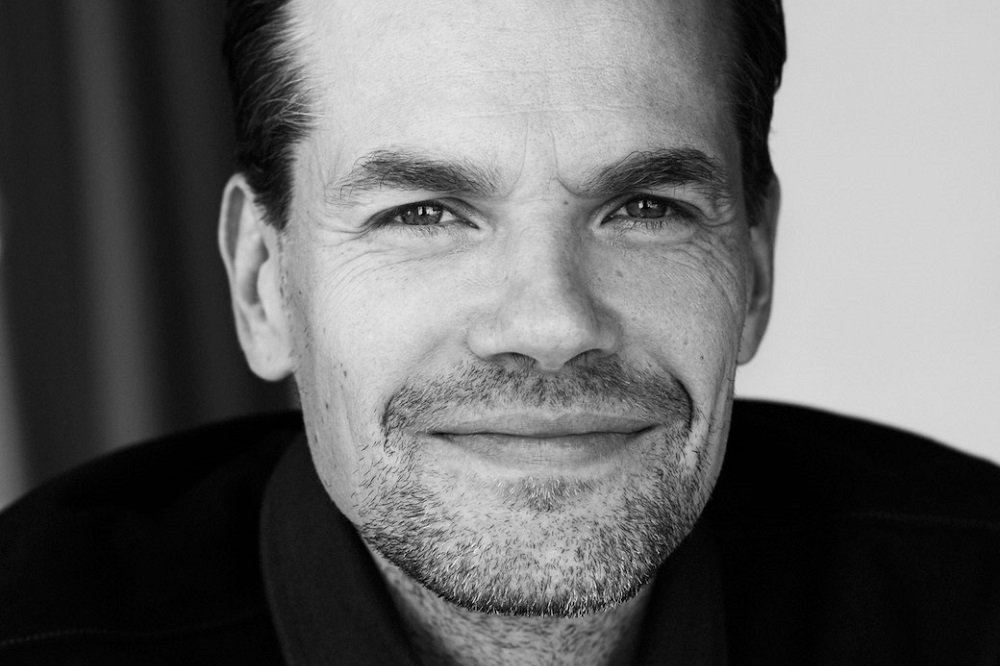
– The Finnish producer spoke with us about festival strategy, working with distinctive filmmakers, genre cinema on the international stage, and what he hopes to gain from Cannes
Daniel Kuitunen, founder of Helsinki-based Komeetta, has been selected as this year’s Finnish participant in the European Film Promotion’s Producers on the Move initiative in Cannes. Over the past decade, he has built a strong track record with auteur-driven and genre-leaning international co-productions. His films have screened at major festivals including Sundance and Toronto, with credits such as Maria’s Paradise by Zaida Bergroth, and The Missile by Miia Tervo, which received a Finnish Film Academy Award nomination. His latest feature, Nightborn by Hanna Bergholm, premiered in Competition at the Berlinale earlier this year. We spoke to him about evolving festival strategies, working with filmmakers across different career stages, the positioning of genre films, and his upcoming goals in Cannes.
Cineuropa: Your films have screened at major festivals like Sundance, Berlin and Toronto. How has your festival strategy evolved when launching films internationally?
Daniel Kuitunen: Over time, you learn from experience and from sales agents how to navigate the festival landscape and identify the right launch platform for each film. It is about understanding which festival best serves a particular title, but also how to build momentum afterwards, ideally following an A-list premiere.
Through Komeetta, you’ve worked with both emerging and established directors. What do you look for when committing to a filmmaker?
I look for a distinctive and compelling voice. Directors who are willing to protect their vision. The process is often challenging, but ultimately rewarding, also for the producer.
Your recent film Nightborn premiered in Berlinale’s Competition. What does a premiere at that level change for a film, especially for a horror one, and for you as a producer?
A main competition premiere is clearly an elevated experience. You see it in the level of visibility, from major trade coverage to increased interest from buyers and meaningful industry connections. For a genre film, that kind of platform also helps reposition it in a more ambitious, auteur-driven space.
Finnish cinema often maintains a strong local identity while travelling well. How do you balance that specificity with international expectations?
It is about merging a distinct Finnish DNA with an international framework. Bringing something unique and specific while staying globally accessible. At the same time, the creative ambition has to meet international standards.
As one of European Film Promotion’s Producers on the Move, what are you hoping this moment will unlock for your upcoming projects?
I am hoping to build new friendships and collaborations with producers and countries that are beyond my usual “co-production bubble”. That, in turn, could lead to broader funding possibilities and new strategies for my projects. It is very much about expanding the network and finding new creative and financial partners for the next stage of work.
