
– CANNES 2026: Koji Fukada has crafted a characteristically sensitive melodrama following two former sisters-in-law who reunite in rural Nagi
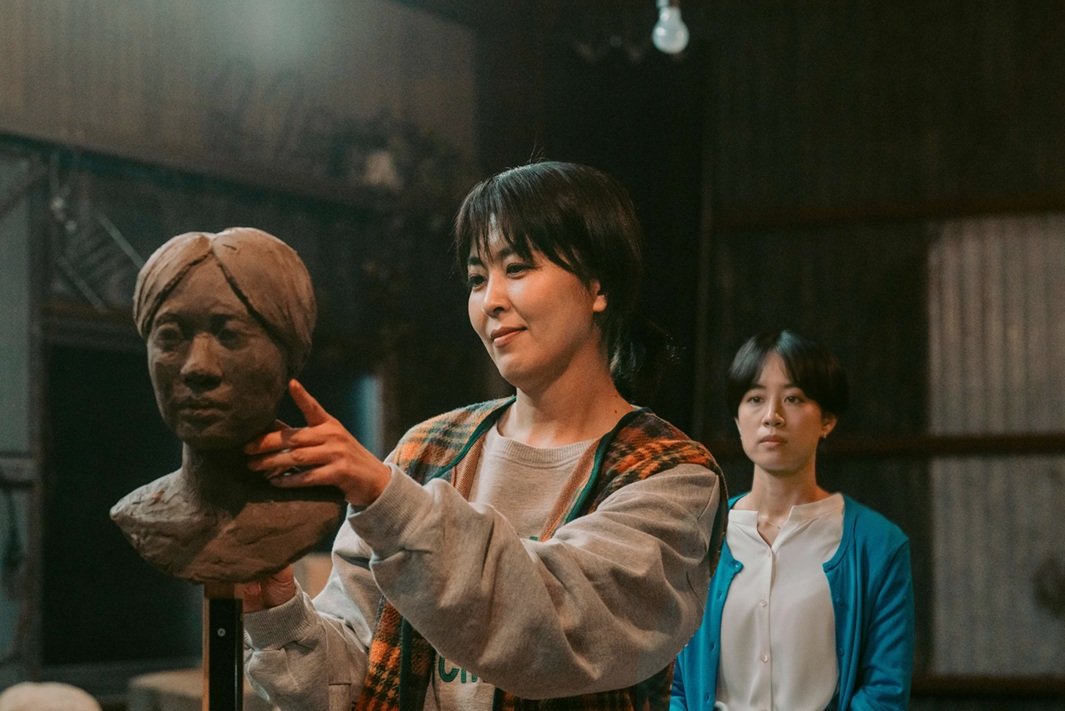
Takako Matsu (left) and Shizuka Ishibashi in Nagi Notes
A prolific, if underrated, figure on the A-list festival circuit, Japanese director Koji Fukada finally makes it into the Cannes competition with Nagi Notes, the first Palme d’Or contender to show at this year’s edition. Tracking a relationship between former sisters-in-law that improbably endures after a marital separation, it sensitively observes close social bonds fraying under the conventions of Japanese family life, and how these tensions can be channelled into artistic expression (oddly, most of the characters practise studio art-making in some form). Those who’ve followed Fukada’s work to date will recognise the dynamic emotional tenor and offbeat narrative patterns he favours, even if his new effort doesn’t represent a profound advancement over his prior movies, which include the fragmented family drama Love Life and Harmonium, his career breakthrough ten years ago at Cannes.

Working on the edges of, yet not fully embracing, the Japanese tradition of the shomin-geki (meaning a drama of “ordinary people”), Fukada revels in setting his dramas around odd arrangements of the typical nuclear family, showing how the very concept of “family” endures, or fails to, when one member neglects their responsibilities or upsets strict heteronormative conventions. Amidst the placid, verdant and highly photogenic Nagi, located far from Japan’s major cities, architect Yuri (Shizuka Ishibashi) has come to model for her former sister-in-law Yoriko (Takako Matsu), a talented sculptor, who also works as a livestock farmer. Separated from the latter’s brother – also an architect, and practising in Taiwan – the two women have stayed friends, relating to one another as artists, despite being well aware of how casual onlookers could perceive their relationship as unusual, or mistake them for lovers whose connection developed quasi-incestuously whilst they were officially family. Indeed, Yuri tentatively courts Yoshihiro (Ken’ichi Matsuyama), a widower working as a radio announcer for the town, during her stay, unaware of the secretive past connection he has to Yoriko.
Fukada maintains his strange, patient methods of unveiling plot detail. Yuri’s sittings for Yoriko in her studio provide gradual exposition, as the women mutually explore their mid-life predicaments, with the latter having a greater acceptance of her solitude and status as an outsider, whilst mourning her more affirming past queer existence in Tokyo. That we additionally gauge the creepiness of Yoriko chiselling away at a wooden bust – in a proportion of 1:1 – of her friend’s head is another uncanny touch. Yoriko also selflessly provides art tuition for the local children, who include the key side characters Haruki (Waku Kawaguchi) and Keita (Kiyora Fujiwara), the former being Yoshihiro’s son. On the cusp of their teens, the boys’ own close relationship obliquely reflects the script’s central female pairing – a “hall of mirrors” of characterisations very typical of Fukada’s dramaturgy.
Using insert shots of tear-off calendars to create a chaptered structure, sending us through a week in March, Fukada also reveals the locale in a pedagogic, yet chirpily sincere, manner, with characters informing each other of its environmental history, folklore and the Japanese military camp undertaking drills amidst regular radio updates we hear on the Russia-Ukraine War. Still, whilst it is absorbing and sometimes rich in its melodramatic arabesques, we could still plausibly wish for more originality from Nagi Notes, bearing in mind how Fukada’s narrative intricacy risks feeling erratic and tonally quite dour.
Nagi Notes is a co-production by Japan, France, Singapore and the Philippines, staged by Hassaku Labs and Survivance. Further co-producers are Star Sands, Momo Film Co, Nathan Studio and Wonderstruck. Its international sales are handled by mk2 Films.
