
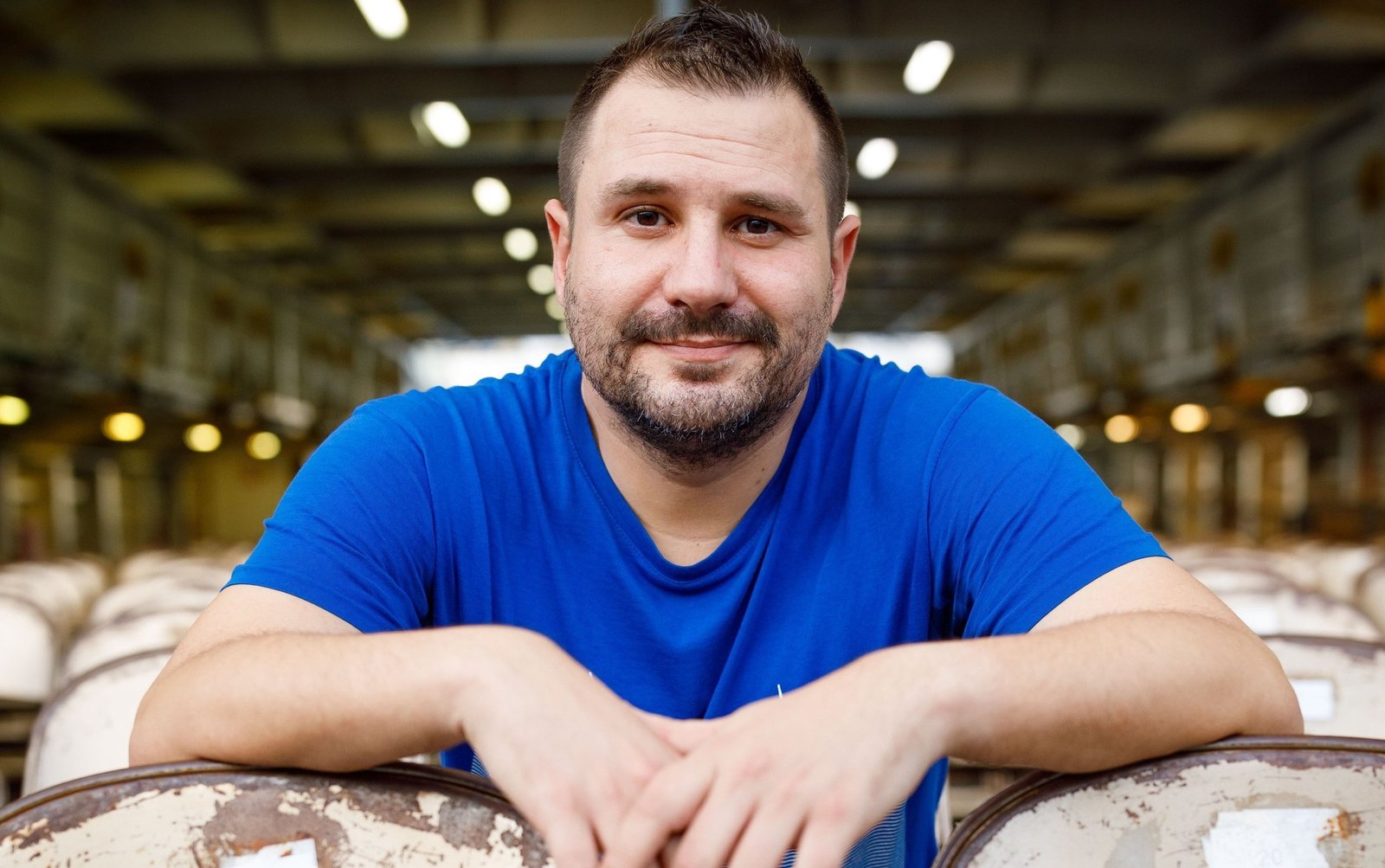
“Building the audience is the result of consistency, communication and creating a genuine relationship with viewers”
– The film professional tells us about the success story of the Croatian festival, and its distribution and exhibition arm
(© Vojko Bašić/CROPIX)
In its 19 years of existence, the Mediterranean Film Festival Split (FMFS) has developed into one of the most successful events in Croatia. Its blend of artistically accomplished and audience-friendly fare, placed in the context of Croatia’s biggest port city, a historical landmark and a tourist hotspot, has been key in cultivating a large and loyal audience, along with its distribution and exhibition arm, Kino Mediteran. After another edition wrapped last Saturday, we sat down with festival director Alen Munitić to discuss its success story.
Cineuropa: What is your guiding philosophy when it comes to developing and maintaining the audience?
Alen Munitić: Our philosophy is simple: put the audience first. We never wanted to create a red-carpet festival or one only for film professionals or cinephiles. We wanted to build a festival that the city could genuinely embrace and feel proud of.
Over the years, we have developed a strong identity focused on Mediterranean stories, European independent cinema and emerging talents, but we have always paid equal attention to the overall festival experience. Audiences return because they trust our curation, but also because they feel connected to the relaxed and friendly atmosphere, the open-air venues and the people behind the festival.
Building the audience is the result of consistency, communication and creating a genuine relationship with viewers. Today, many people who attended the first editions of FMFS are still with us, while a new generation of young audiences continues to discover the festival. That is probably our greatest achievement.
Since 2018, we have also operated the Bačvice Open-air Cinema throughout the season, creating a strong synergy between the festival and year-round cinema activities. Through our children’s and youth screenings, and the Cinema Kampus programme with the University of Split, we are developing new generations of filmgoers.
Can you tell us a bit about the industry and education sections, which are also growing bigger year on year?
Education and talent development have become a natural extension of the festival, and they include programmes for children, students, emerging filmmakers and film professionals by connecting different generations and disciplines. Through our cooperation with universities and film schools, students gain practical experience and direct contact with professionals. We see education not as a side activity, but as a long-term investment in the future of the Croatian and Mediterranean audiovisual sector. Looking ahead, we want to continue developing the industry section with a particular focus on content for children and young audiences. This is an area we believe deserves much greater attention, both creatively and industrially.
You initially lost funding from the City of Split this year, but after your appeal, a lower level of support was provided. How badly did it affect the festival?
The decision was not a political one; it was made by the City’s Cultural Council for Film and Audiovisual Activities, which came as a surprise, given the festival’s growth, audience figures and international recognition. The final amount, for which we are grateful, is significantly lower than in previous years. But stability and predictability are just as important as the amount. FMFS is a year-round project with more than 100 films, dozens of guests and numerous educational activities. We are also part of a multi-year European funding programme, which requires long-term planning and institutional stability.
Fortunately, the festival happened exactly as planned, and our audience didn’t notice any difference this year. However, uncertainty in public funding makes it much more difficult to plan future growth and development. As we approach our 20th edition, our goal is not simply to survive from year to year, but to continue building a stronger and more ambitious festival.
You also have a distribution arm, Kino Mediteran, which started as a programme to bring cinemas back to the Croatian islands. How do you see the situation for Croatian distribution today?
Kino Mediteran is actually one of the things that make FMFS so unique. Alongside the festival, we operate a cinema network across more than 20 towns and islands throughout Dalmatia, reaching communities that often have very limited access to cultural content. Last year alone, our cinemas welcomed more than 70,000 visitors.
Croatian distribution faces many of the same challenges as the rest of Europe. Audiences have changed their habits, streaming platforms have transformed the market, and independent films are competing for attention more than ever before. At the same time, our experience has shown that audiences still want the communal cinema experience when it is accessible, relevant and connected to their local community.
In the last two years, we have released two major Italian hits, There Is Still Tomorrow and Madly, which were among the most successful European films in Croatian cinemas. This proves that audiences are still eager to discover quality European cinema when it is presented and promoted properly. This year, we are particularly excited about the Croatian film Honey Bunny as well as our winners Sundays and Zejtune [see the news]. We believe all three films have strong potential to connect with Croatian audiences.
For us, distribution is not only about bringing films to cinemas, but also about building long-term relationships between audiences and European cinema. Independent cinemas continue to play a crucial role, especially in smaller communities where cinema constitutes both entertainment, and an important cultural and social meeting place.
