
– The Neuchâtel International Fantastic Film Festival, which will take place from 3 to 11 July, presents a discerning and daring selection comprising a total of 129 films from 33 countries
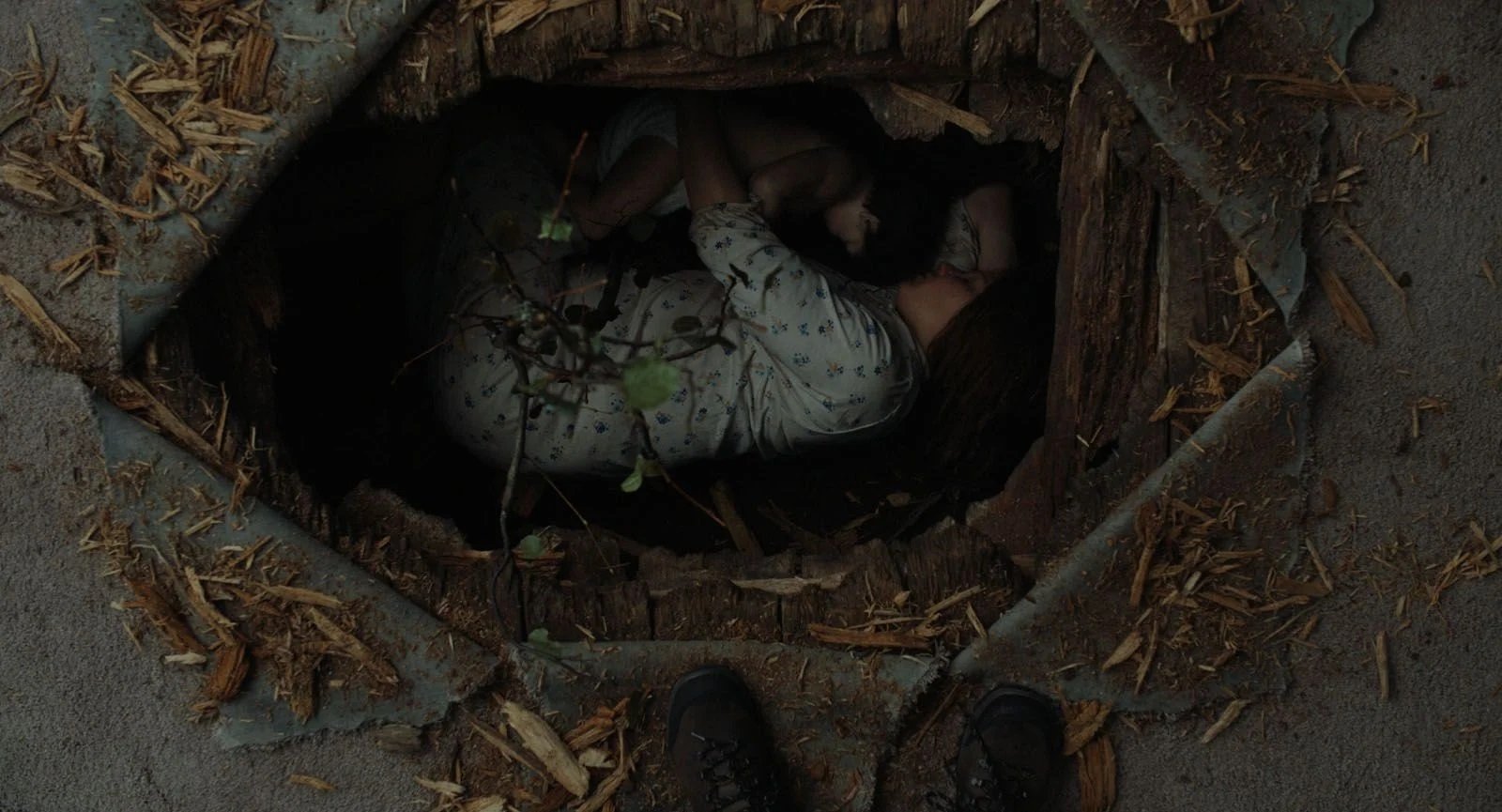
Nightborn by Hanna Bergholm
For its 25th edition, the Neuchâtel International Fantastic Film Festival (NIFFF) presents a rich, surprising and socially engaged programme, confirming its status as a must-attend event for genre cinema in Europe. The festival, which will take place from 3 to 11 July, showcases 129 films from five continents, representing 33 countries.
As the press release highlights, every year Neuchâtel hosts the very best of genre cinema, transforming itself into a unique venue where audiences can discover the “most daring, inventive and spectacular forms of contemporary cinema”. NIFFF also emphasises a multidisciplinary approach, exploring the imagination in all its forms: literature, special effects, science and society, not to mention cinema, which remains its beating heart.
Audiences will be able to enjoy more niche works from the demanding world of arthouse cinema, as well as films that are formally experimental or radical in their approach to genre cinema and the themes they tackle, not to mention blockbusters. According to the festival, “this anniversary edition highlights works that explore the tensions of our time. Monsters have taken on a new guise: they now embody oppressive systems, social norms, the cult of performance, the commodification of the body and the exploitation of living beings. More than ever, the fantasy genre stands out as a key tool for reflecting on the contemporary world and its transformations”.
The international competition reflects a major trend in this year’s festival: the widespread resurgence of folk horror and horror stories that blend beliefs, traditions and community dynamics, as well as the central focus on social issues, stories of empowerment and the spotlight on marginalised figures.
Numerous European productions and co-productions are vying for the prestigious Narcisse H.R. Giger Award in the International Competition (comprising 14 films). Among them are the Italian film The Holy Boy by Paolo Strippoli, screened at Venice, which explores an obsessive quest for happiness that has become a tool of social control; Nightborn de Hanna Bergholm, screened at Berlin, which explores the flip side of parenthood; the Cannes-selected Species, the debut feature film by French director Marion Le Corollier, which tackles the difficulties faced by young people worn down by obstacles and existential doubts; and Gaua by Basque director Paul Urkijo, which depicts a rural community weighed down by superstitions and rumours. Also in the same competition, we find the animated film Decorado by Alberto Vázquez, the dazzling folk horror tale Hokum by Irish director Damian McCarthy; the fantasy horror film Sleep No More by Indonesian director Edwin, which premiered in Berlin; and Teenage Sex and Death at Camp Miasma by Jane Schoenbrun, a surprising slasher film reimagined through a queer lens in tune with our times, which opened the Un Certain Regard section at Cannes.
Alongside the competitive sections, Third Kind – which breaks down genre boundaries – will also be screening a host of European productions and co-productions, including the French films The Birthday Party by Léa Mysius and Mi amor by Guillaume Nicloux, Heysel 85 by Teodora Ana Mihai, Subsuelo by Fernando Franco, A Prayer for the Dying by Dara Van Dusen and Salvation by Emin Alper. Still on the subject of European films, the Ultra Movies section, dedicated to the most extreme and exhilarating aspects of genre cinema, will feature the French film Les âmes en peine by Quarxx.
(Translated from French)
