
– CANNES 2026: Rostislav Kirpičenko’s film offers an extremely raw portrayal of the ongoing war in Ukraine, following a priest who secretly returns civilians’ bodies to their families
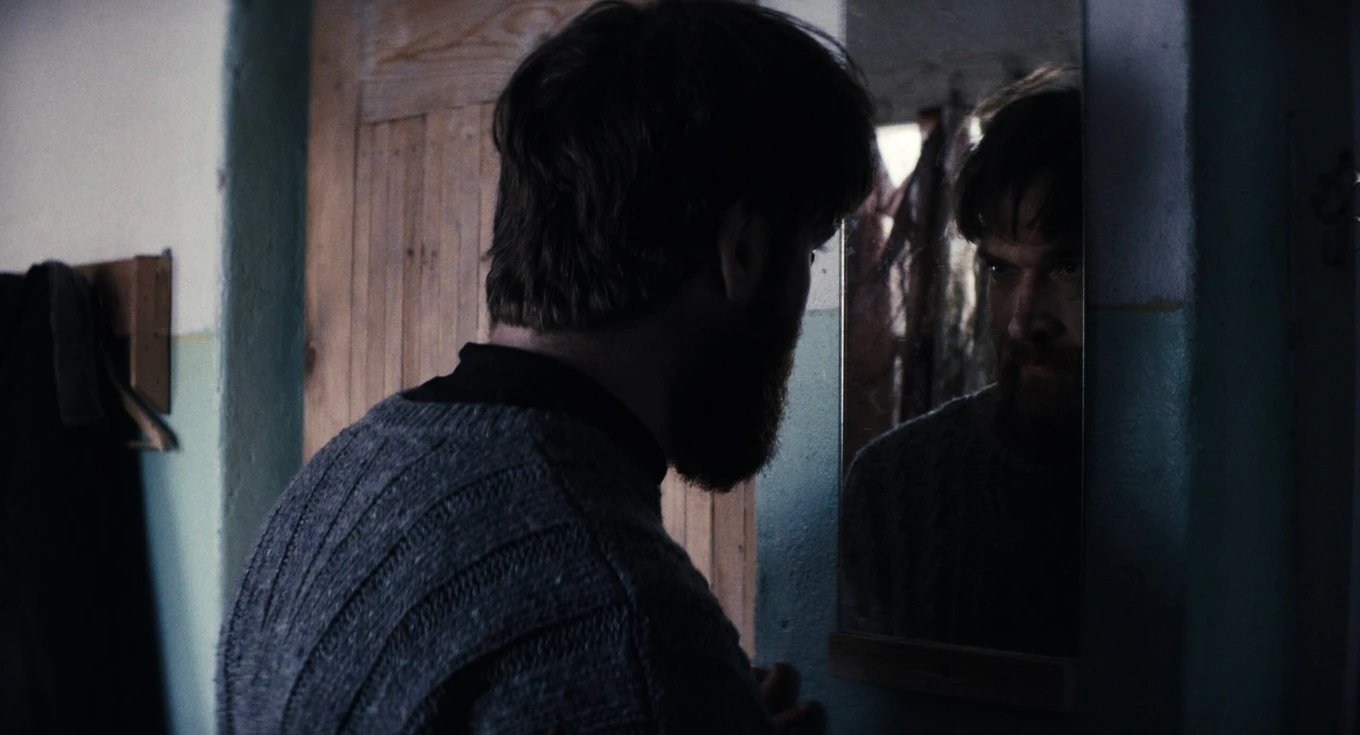
Kestutis Cicenas in Spring
Part of the Special Screenings section at the 79th Cannes Film Festival, Rostislav Kirpičenko’s feature debut Spring, about the ongoing war in Ukraine, is a tough watch. Set in a Russian-occupied town of 40,000 inhabitants in south-eastern Ukraine, the film follows Andriy (Kęstutis Cicėnas), a 35-year-old Ukrainian priest who sees his church turned into a morgue. He is forced to guard the bodies of Ukrainian civilians until Russian forces collect them every three weeks to bury them in mass graves. For several months, the priest resists, secretly returning the bodies to their families so they can give them a dignified burial. But as winter approaches, the ground becomes too frozen to bury the dead and the Russians begin to insist.
Shot with rigorous precision and featuring striking cinematography by Vilius Mačiulskis, Spring also stars Daumantas Ciunis, Viačeslav Lukjanov and Anastasiia Pustovit. In fact, the film features an ensemble cast of Lithuanian actors – as well as a predominantly Lithuanian crew – with the exception of Pustovit, who is Ukrainian. While the Lithuanian cast slightly affects the authenticity of the Ukrainian dialogue, it also creates a deliberate emotional distance that proves compelling. Kirpičenko himself was born in Lithuania, raised in Ukraine, and later moved to Paris to study literature and film directing.
The plot echoes the disobedience of the Greek mythical character Antigone, the protagonist of Sophocles’ play, which follows her attempts to bury her brother Polynices, defying her uncle Creon’s decree and placing her bond with her brother above human law. In a similar vein, Andriy seeks to preserve the dignity of those whose lives have been destroyed by war, allowing them, even in death, a final moment with their loved ones. Even when life has been taken away, there remains something profoundly human in allowing the grieving process to take place for those left behind. It is precisely this humanity that the young priest fights to protect, at the risk of his own life.
The film’s original title, Vesna – meaning “Spring” – also refers to the ancient Slavic goddess of spring. In this sense, Kirpičenko’s film seems to seek a connection with the forces of nature, presented here as the only power truly above everyone. The cold, snowy and hostile climate becomes the protagonists’ ultimate challenge.
The film is heart-wrenching, particularly in its portrayal of 11-year-old Makarov, a child inevitably drawn into the horrors of war and central to the film’s devastating final scene. Although Spring can at times feel slow and somewhat restrained in building tension, its rawness and brutal realism land like a punch to the stomach, reminding us that civilians – and especially children – are war’s ultimate victims.
Spring is a co-production between Lithuania, France and Estonia staged by Film Jam with Matka Films and Esse House. The Bureau Sales handles international sales.
