
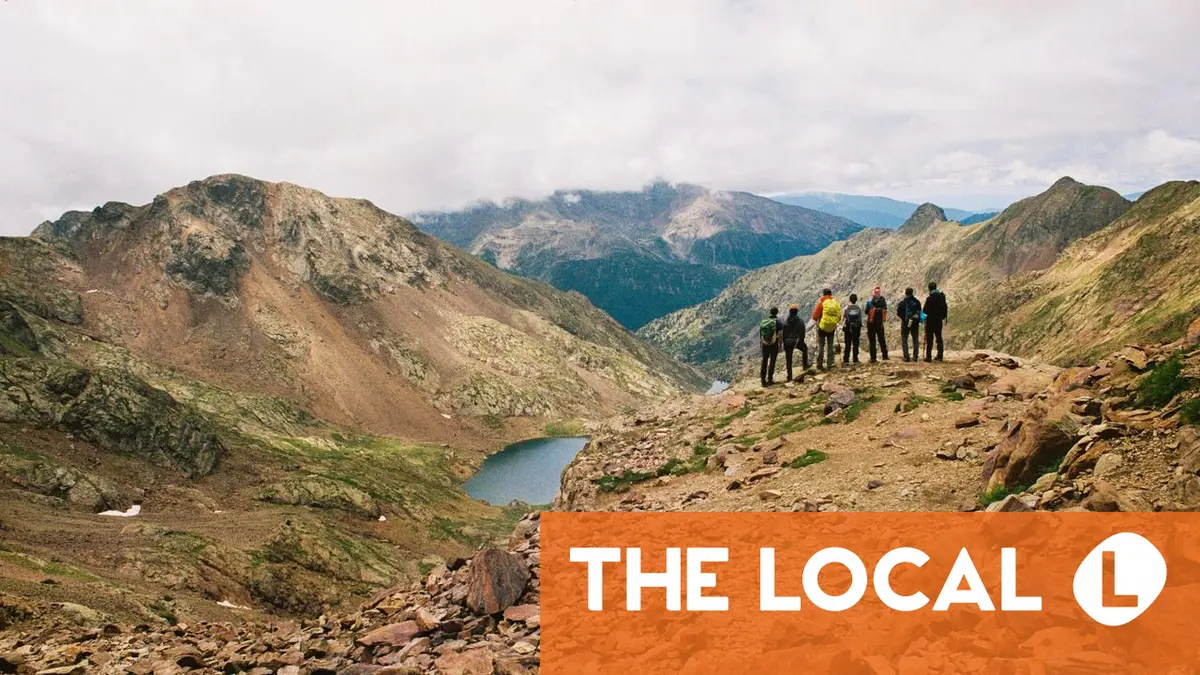
After the death of two foreign hikers in Spain in recent weeks, we go over Spanish rescue workers’ advice for planning a hiking trip here, from the emergency numbers to have on your phone to the gear you should carry with you.
Tragically, Spain sees several hiking fatalities among foreign visitors every year, with recent incidents primarily caused by accidental falls and treacherous mountain weather.
In mi-May, a 61-year-old British hiker was found dead after being missing during a 48-hour rescue attempt within the Picos de Europa National Park. The man reportedly contacted emergency services to say that he was lost and had little equipment, but was not found until he had died.
Just days later, another British national died on a hiking trip in the Pyrenees. The 42-year-old woman “fell around 500m (1,640ft) from the Balaitús Peak in the Huesca region of Spain.
That’s not to say that Spanish nationals do not get into trouble for not taking enough precautions while out in nature.
In the region of Aragón, 30 people lost their lives in mountain accidents in 2025, most Spaniards.
READ ALSO: Eight of the best hikes in Catalonia
The rise in trail running, hiking and outdoor sports activities has led to a sharp increase in mountain rescues in general, but logically locals tend to be more familiar with the terrain, weather and what to do in an emergency when compared to tourists.
For those coming to Spain not for the coast but rather the mountains, there are several important safety tips taken from Spain’s Mountain Rescue and Intervention Group (GREIM) to stay safe on your rutas across the country.
Emergency numbers
Obviously, before heading out make sure you’re aware of Spain’s emergency numbers — 112 or the Civil Guard’s 062.
Often, GREIM try to make telephone contact via the handlers to obtain first-hand information and offer advice, information crucial in deciding whether to use the helicopter with the winch or to wait for conditions to improve during the rescue.
Let friends and family know where you’re going
Similarly, let other people know where you’re going and don’t set off on a hike without anyone sle knowing where you are.
Pablo Reanda, a GREIM member, notes that it’s best to be “very specific… telling close friends or family exactly which route you are going to take, and giving an estimated time of return”.
This is vital information, he adds, because “if you don’t know where you are, it’s impossible to find you”.
Bring appropriate equipment
Carry a torch with spare batteries, a mobile phone with an extra battery and a first-aid kit.
Thermal blankets are also highly recommended, whether in a case of hypothermia or heatstroke.
Always carry warm clothing, gloves and a hat in your rucksack, even in summer.
Experts also recommend carrying an emergency whistle to attract attention should you get lost.
Maps & phone signal – old school or offline
Bringing a map almost goes without saying, but the main challenge facing a hiker nowadays is losing connection in remote or mountainous areas.
In this scenario, having offline maps is essential. The undisputed go-to app for outdoor enthusiasts is Wikiloc.
However, there are many other offline map apps that download maps directly to the phone’s memory, allowing you to navigate using the device’s GPS completely offline, ensuring you can find your way even in the most remote places where mobile data coverage is unavailable.
Backup power
On that, if your phone is dropped, dies, gets wet or shuts due to cold temperatures, you’ll need another way of charging your devices.
The first essential item is a high-capacity external battery or power bank, protected in a waterproof pouch, to ensure your phone doesn’t run out of power at the most inopportune moment.
Of course, keeping phones on airplane mode will save battery life.
Keep an eye on the weather
Check the weather.
The mountains are known for how quickly weather conditions can change. Relying on the generic weather apps that come pre-installed on phones is often a mistake, as they do not take into account the specific conditions at high altitudes.
For real-time weather tailored to the terrain, hikers use apps like Meteoblue for a more reliable and up to date forecast.
